88 | Fixing Play Theme In Play Therapy
Play Therapy Podcast: A Master-Class in Child-Centered Play Therapy
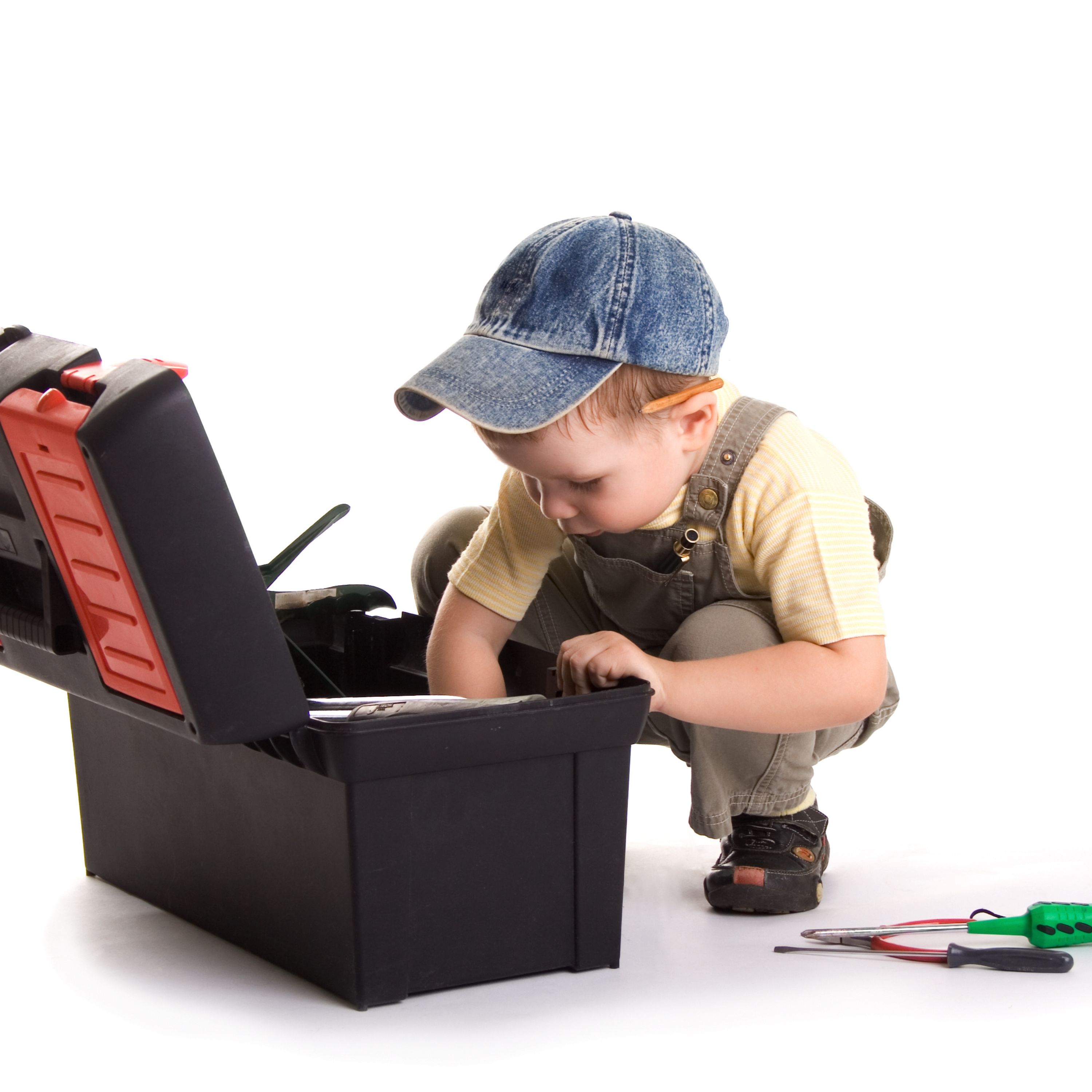
Today, we're diving into the "fixing play" theme in child-centered play therapy. This theme often follows "broken play" and is closely tied to control and safety themes. In essence, it's about a child or character working to mend something broken through actions like gluing, taping, or providing medical care. So, why is fixing play significant for a child? Firstly, it can symbolize their understanding of the therapeutic process. Kids may not fully grasp it, but they sense healing and fixing occurring, helping them navigate their journey to feeling better. Secondly, fixing play can stem from a deep desire to be okay, emphasizing the innate human drive for happiness and healing. Lastly, it can be a way for children to regain control after play goes too far, allowing them to undo what they felt was unacceptable. Fixing play is a window into a child's world, reflecting their therapeutic progress, longing for well-being, and their need for control. Podcast HQ: https://www.playtherapypodcast.com Play Therapy Training HQ: https://www.playtherapynow.com Email me: brenna@thekidcounselor.com Follow me on Twitter: @thekidcounselor https://twitter.com/thekidcounselor References: Cochran, N., Nordling, W., & Cochran, J. (2010). Child-Centered Play Therapy (1st ed.). Wiley. VanFleet, R., Sywulak, A. E., & Sniscak, C. C. (2010). Child-centered play therapy. Guilford Press. Landreth, G. L. (2002). Play therapy: The art of the relationship (2nd ed.). Brunner-Routledge. Bratton, S. C., Landreth, G. L., Kellam, T., & Blackard, S. R. (2006). Child parent relationship therapy (CPRT) treatment manual: A 10-session filial therapy model for training parents. Routledge/Taylor & Francis Group. Benedict, Helen. Themes in Play Therapy. Used with permission to Heartland Play Therapy Institute.
More description
Today, we're diving into the "fixing play" theme in child-centered play therapy. This theme often follows "broken play" and is closely tied to control and safety themes. In essence, it's about a child or character working to mend something broken through actions like gluing, taping, or providing medical care. So, why is fixing play significant for a child? Firstly, it can symbolize their understanding of the therapeutic process. Kids may not fully grasp it, but they sense healing and fixing occurring, helping them navigate their journey to feeling better. Secondly, fixing play can stem from a deep desire to be okay, emphasizing the innate human drive for happiness and healing. Lastly, it can be a way for children to regain control after play goes too far, allowing them to undo what they felt was unacceptable. Fixing play is a window into a child's world, reflecting their therapeutic progress, longing for well-being, and their need for control. Podcast HQ: https://www.playtherapypodcast.com Play Therapy Training HQ: https://www.playtherapynow.com Email me: brenna@thekidcounselor.com Follow me on Twitter: @thekidcounselor https://twitter.com/thekidcounselor References: Cochran, N., Nordling, W., & Cochran, J. (2010). Child-Centered Play Therapy (1st ed.). Wiley. VanFleet, R., Sywulak, A. E., & Sniscak, C. C. (2010). Child-centered play therapy. Guilford Press. Landreth, G. L. (2002). Play therapy: The art of the relationship (2nd ed.). Brunner-Routledge. Bratton, S. C., Landreth, G. L., Kellam, T., & Blackard, S. R. (2006). Child parent relationship therapy (CPRT) treatment manual: A 10-session filial therapy model for training parents. Routledge/Taylor & Francis Group. Benedict, Helen. Themes in Play Therapy. Used with permission to Heartland Play Therapy Institute.
2023-09-07
15 min
Listen elsewhere
Available Results
Generated results are saved to your library for reuse and search.
No generated results are available for this episode yet.
Transcript
No transcript is available for this episode yet.
Sign in to generate a transcript for review.
Sign in
Chapters
No chapters available.