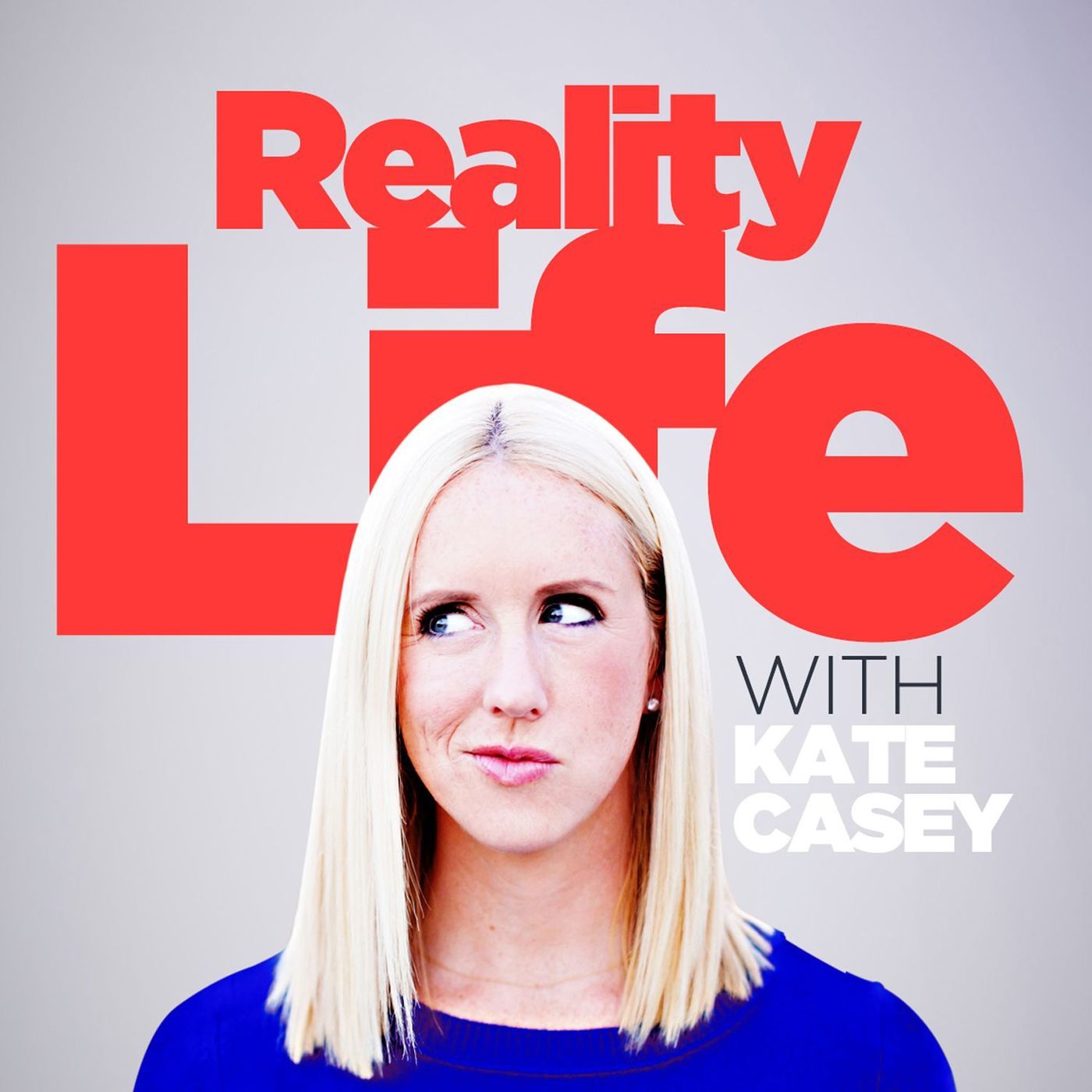
Ep. - 993 - THE JINX – PART TWO WHO KILLED JOHN O’KEEFE WITH JONATHAN MARK
Director Andrew Jarecki and Executive Producer Zac Stuart-Pontier discuss the HBO documentary series The Jinx – Part Two, a six-episode continuation of the groundbreaking, Emmy®-winning docuseries The Jinx: The Life and Deaths of Robert Durst. In Part Two the filmmakers continue their investigation, sharing previously hidden material, Robert Durst's prison calls, and interviews with witnesses who had not come forward until now.
Kate asks Jonathan Mark who he thinks killed Boston police officer John O’Keefe.
Reality Life with Kate Casey
Patreon: http://www.patreon.com/katecasey
Twitter: https://twitter.com/katecasey
Instagram: http://www.instagram.com/katecaseyca
Tik Tok: http://www.tiktok.com/itskatecasey
Cameo: https://cameo.com/katecasey
Facebook Group: https://www.facebook.com/groups/113157919338245
Amazon.com: www.amazon.com/shop/katecasey
See Privacy Policy at https://art19.com/privacy and California Privacy Notice at https://art19.com/privacy#do-not-sell-my-info.
Available Results
Generated results are saved to your library for reuse and search.
Choose Template
Pick the result you want. You can review provider and model before generating.
A concise first-pass summary for understanding the episode quickly.
A comprehensive, source-grounded extraction of the reusable knowledge in an episode.
Investment theses, assets, catalysts, valuation reasoning, time horizons, and risks.
A dedicated analysis of warnings, limitations, trade-offs, weak evidence, and uncertainty.
Economic mechanisms, incentives, indicators, market structure, forecasts, and uncertainty.
Chronologies, actors, causes, consequences, turning points, and competing historical interpretations.
A concise first-pass summary for understanding the episode quickly.
A detailed readable summary organized by chapter or topic.
A navigable map of subjects, topic flow, and suggested chapters.
A comprehensive, source-grounded extraction of the reusable knowledge in an episode.
Reusable atomic knowledge units extracted from the episode.
A comprehensive extraction focused on health practices, protocols, claims, and safety caveats.
A comprehensive extraction focused on opportunities, strategy, markets, and company building.
Explicit actions, next steps, habits, recommendations, and things to avoid.
A dedicated inventory of concrete resources named in the episode.
A dedicated analysis of warnings, limitations, trade-offs, weak evidence, and uncertainty.
A concise first-pass summary for understanding the episode quickly.
A detailed readable summary organized by chapter or topic.
A navigable map of subjects, topic flow, and suggested chapters.
A comprehensive, source-grounded extraction of the reusable knowledge in an episode.
Reusable atomic knowledge units extracted from the episode.
A comprehensive extraction focused on health practices, protocols, claims, and safety caveats.
A comprehensive extraction focused on opportunities, strategy, markets, and company building.
Scientific findings, mechanisms, studies, hypotheses, and the limits of the evidence discussed.
Technologies, AI models, technical methods, capabilities, limitations, and adoption implications.
Investment theses, assets, catalysts, valuation reasoning, time horizons, and risks.
Chronologies, actors, causes, consequences, turning points, and competing historical interpretations.
Policies, proposals, stakeholders, arguments, implementation constraints, and predicted effects.
Career paths, skills, hiring signals, workplace decisions, transitions, and limitations of the advice.
Behavioral mechanisms, biases, motivation, habits, emotions, interventions, and evidence limitations.
Economic mechanisms, incentives, indicators, market structure, forecasts, and uncertainty.
Leadership principles, team systems, organizational design, culture, feedback, and failure modes.
Audience, positioning, messaging, acquisition, retention, experiments, metrics, and failed approaches.
Teaching methods, learning strategies, practice, feedback, assessment, and effectiveness evidence.
Theses, premises, arguments, objections, values, thought experiments, and unresolved questions.
Communication patterns, conflict, boundaries, expectations, repair methods, and contextual limitations.
Books, papers, authors, courses, and other learning resources mentioned in the episode.
Repeatable methods, frameworks, mental models, processes, and systems.
Explicit actions, next steps, habits, recommendations, and things to avoid.
Memorable statements and important claims with attribution and source context.
A dedicated inventory of concrete resources named in the episode.
A dedicated analysis of warnings, limitations, trade-offs, weak evidence, and uncertainty.