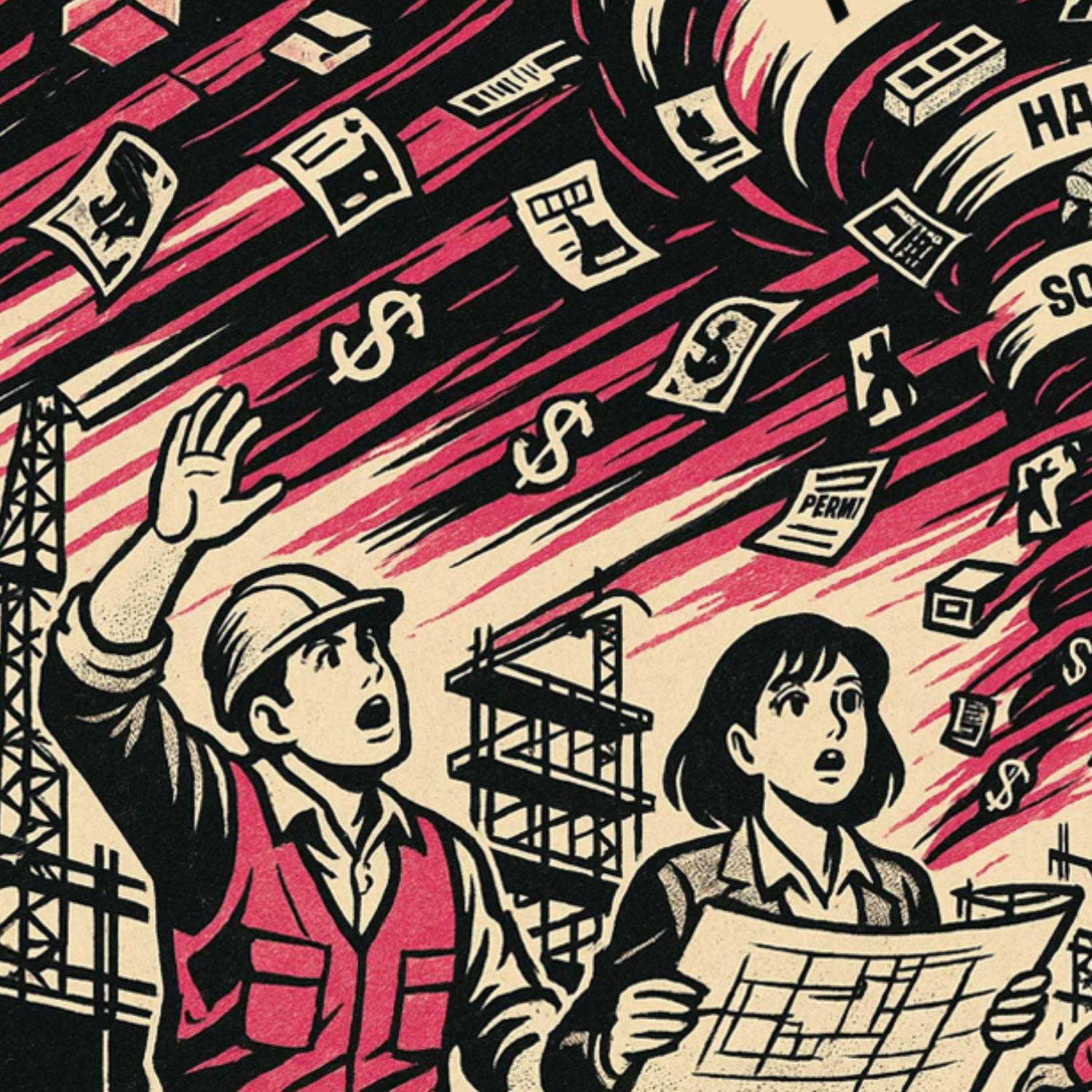
032 - Hard Costs vs Soft Costs: Making Cents of Construction
Hard costs vs soft costs define where every dollar goes on a construction project, and understanding the difference is essential for the ARE and real-world practice.
Hard costs are the tangible expenses that create the physical building: materials, labor, equipment, and building systems. Soft costs are the intangible expenses that make the project possible: design fees, permits, insurance, financing, and project management.
This episode breaks down examples of each with typical percentages, explains how the 70/80 to 20/30 budget ratio shifts for residential, commercial, and institutional projects, and covers how architects, contractors, and owners each see these costs differently.
You'll also learn how project delays turn soft costs into budget killers and why cutting construction administration services to save money almost always backfires.
📝 Key Topics Covered:
-
Hard costs vs soft costs definitions and real-world examples
-
Typical budget ratios: 70-80% hard costs, 20-30% soft costs
-
How soft costs shift for residential, commercial, and institutional projects
-
The S-curve model for construction spending over time
-
How architects, contractors, and owners manage costs differently
⏱️ Chapters:
(0:00) Introduction
(1:20) Hard Costs vs Soft Costs Defined
(3:43) Hard and Soft Cost Examples
(10:54) Budget Ratios by Project Type
(17:31) Architect, Contractor, and Owner Views
(21:18) Cost Mistakes That Kill Budgets
(23:52) Managing Hard and Soft Costs
(27:29) Key Takeaways for the ARE
📝 Download the FREE Hard Costs vs Soft Costs study notes
🎯 Get access to all ARE study materials with the ARE 101 Membership
🎯 Join our 10-week ARE Boot Camp
📚 Individual ARE Exam Courses:
More description
Hard costs vs soft costs define where every dollar goes on a construction project, and understanding the difference is essential for the ARE and real-world practice.
Hard costs are the tangible expenses that create the physical building: materials, labor, equipment, and building systems. Soft costs are the intangible expenses that make the project possible: design fees, permits, insurance, financing, and project management.
This episode breaks down examples of each with typical percentages, explains how the 70/80 to 20/30 budget ratio shifts for residential, commercial, and institutional projects, and covers how architects, contractors, and owners each see these costs differently.
You'll also learn how project delays turn soft costs into budget killers and why cutting construction administration services to save money almost always backfires.
📝 Key Topics Covered:
-
Hard costs vs soft costs definitions and real-world examples
-
Typical budget ratios: 70-80% hard costs, 20-30% soft costs
-
How soft costs shift for residential, commercial, and institutional projects
-
The S-curve model for construction spending over time
-
How architects, contractors, and owners manage costs differently
⏱️ Chapters:
(0:00) Introduction
(1:20) Hard Costs vs Soft Costs Defined
(3:43) Hard and Soft Cost Examples
(10:54) Budget Ratios by Project Type
(17:31) Architect, Contractor, and Owner Views
(21:18) Cost Mistakes That Kill Budgets
(23:52) Managing Hard and Soft Costs
(27:29) Key Takeaways for the ARE
📝 Download the FREE Hard Costs vs Soft Costs study notes
🎯 Get access to all ARE study materials with the ARE 101 Membership
🎯 Join our 10-week ARE Boot Camp
📚 Individual ARE Exam Courses:
Listen elsewhere
Available Results
Generated results are saved to your library for reuse and search.