New Normal
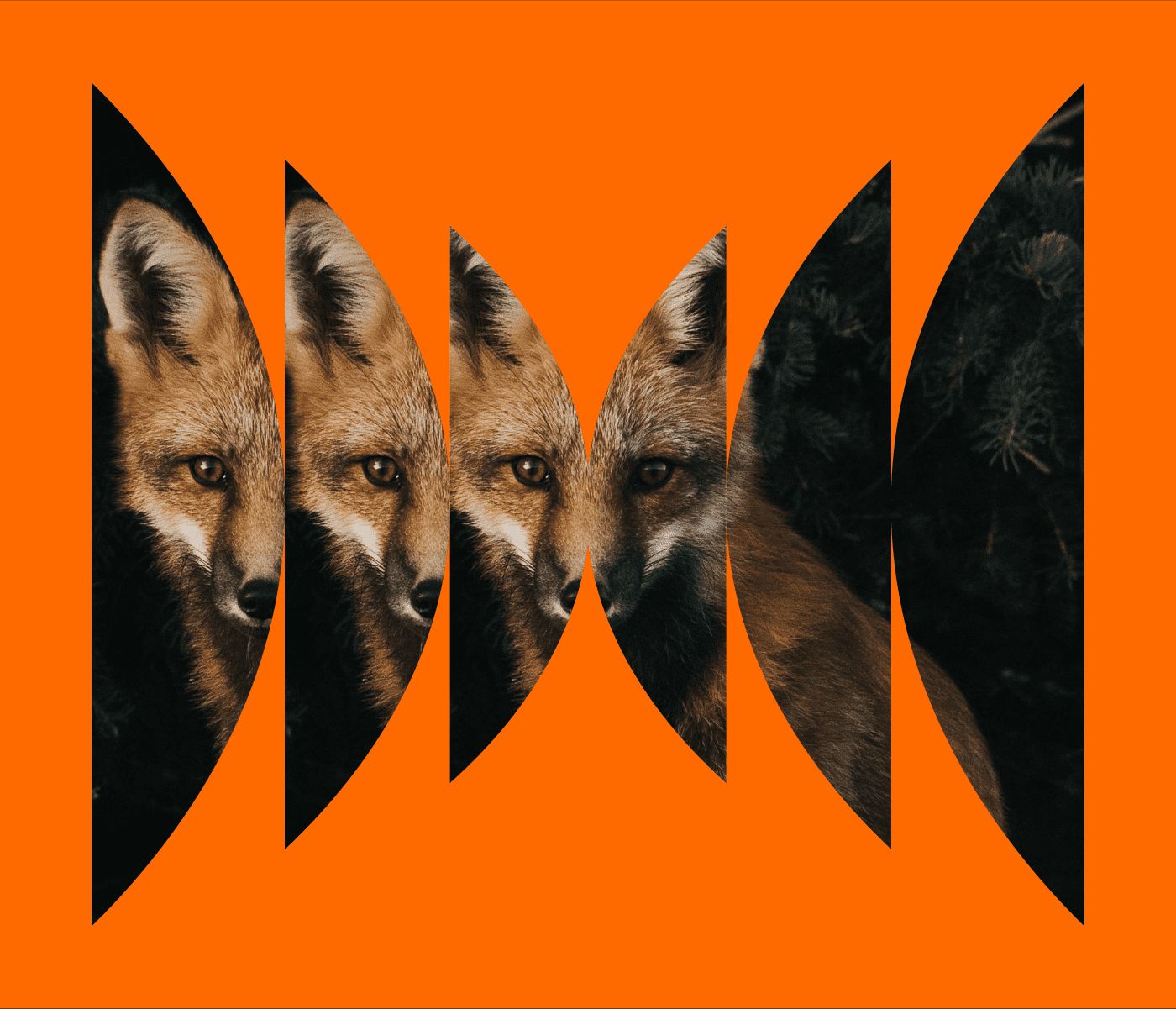
This episode —first released in 2009 and then again in 2015, with an update — asks, what is “normal”? Maybe it exists, maybe not. We examine peace-loving baboons with Stanford neuroscientist Robert Sapolsky, talk to Stu Rasmussen, whose preferred pronouns were he/him (https://zpr.io/nUdsZawNmhwt), and his neighbors in Silverton, Oregon about how a town chooses its community over outsider opinions. And lastly, we speak with an evolutionary anthropologist, Duke University’s own Brian Hare, and an evolutionary biologist Tecumseh Fitch, then at the University of St. Andrews, Scotland, now at the University of Vienna, Austria, about foxes who love to snuggle.And what we find is that normal — maybe the only normal — is change.
EPISODE CREDITS Reported by - Aaron CohenProduced by - Soren Wheelerwith help from - Annie McEwenCITATIONSArticles -Stu Rasmussen’s NYT Obituary (https://zpr.io/nUdsZawNmhwt).
Theater - Andrew Russel’s “Stu for Silverton” (https://zpr.io/Jn5JP276pwhj) the play based on Stu Rasmussen’s life.
Our newsletter comes out every Wednesday. It includes short essays, recommendations, and details about other ways to interact with the show. Sign up (https://radiolab.org/newsletter)!
Radiolab is supported by listeners like you. Support Radiolab by becoming a member of The Lab (https://members.radiolab.org/) today.Follow our show on Instagram, Twitter and Facebook @radiolab, and share your thoughts with us by emailing radiolab@wnyc.org
Leadership support for Radiolab’s science programming is provided by the Gordon and Betty Moore Foundation, Science Sandbox, a Simons Foundation Initiative, and the John Templeton Foundation. Foundational support for Radiolab was provided by the Alfred P. Sloan Foundation.
Hosted by Simplecast, an AdsWizz company. See pcm.adswizz.com for information about our collection and use of personal data for advertising.
More description
This episode —first released in 2009 and then again in 2015, with an update — asks, what is “normal”? Maybe it exists, maybe not. We examine peace-loving baboons with Stanford neuroscientist Robert Sapolsky, talk to Stu Rasmussen, whose preferred pronouns were he/him (https://zpr.io/nUdsZawNmhwt), and his neighbors in Silverton, Oregon about how a town chooses its community over outsider opinions. And lastly, we speak with an evolutionary anthropologist, Duke University’s own Brian Hare, and an evolutionary biologist Tecumseh Fitch, then at the University of St. Andrews, Scotland, now at the University of Vienna, Austria, about foxes who love to snuggle.And what we find is that normal — maybe the only normal — is change.
EPISODE CREDITS Reported by - Aaron CohenProduced by - Soren Wheelerwith help from - Annie McEwenCITATIONSArticles -Stu Rasmussen’s NYT Obituary (https://zpr.io/nUdsZawNmhwt).
Theater - Andrew Russel’s “Stu for Silverton” (https://zpr.io/Jn5JP276pwhj) the play based on Stu Rasmussen’s life.
Our newsletter comes out every Wednesday. It includes short essays, recommendations, and details about other ways to interact with the show. Sign up (https://radiolab.org/newsletter)!
Radiolab is supported by listeners like you. Support Radiolab by becoming a member of The Lab (https://members.radiolab.org/) today.Follow our show on Instagram, Twitter and Facebook @radiolab, and share your thoughts with us by emailing radiolab@wnyc.org
Leadership support for Radiolab’s science programming is provided by the Gordon and Betty Moore Foundation, Science Sandbox, a Simons Foundation Initiative, and the John Templeton Foundation. Foundational support for Radiolab was provided by the Alfred P. Sloan Foundation.
Hosted by Simplecast, an AdsWizz company. See pcm.adswizz.com for information about our collection and use of personal data for advertising.
Listen elsewhere
Available Results
Generated results are saved to your library for reuse and search.