Unleashing The Phenomenon Of Using Sound & Music For Performance, Recovery, Healing & More.
Quick question: when was the last time you listened to music? Or white noise? Or “binaural beats”? Or any other form of audio?
And did you ever give any thought to the frequency of the actual wavelengths of sound contained within that audio? Until recently, I didn’t. I had no clue that frequencies of sound, frequencies of music, and even the frequencies of the piano that my kids practice each day or the guitar and ukelele that I practice each day can actually affect cognitive function, heart health, liver, kidneys, digestion, libido, mood and much, much more.
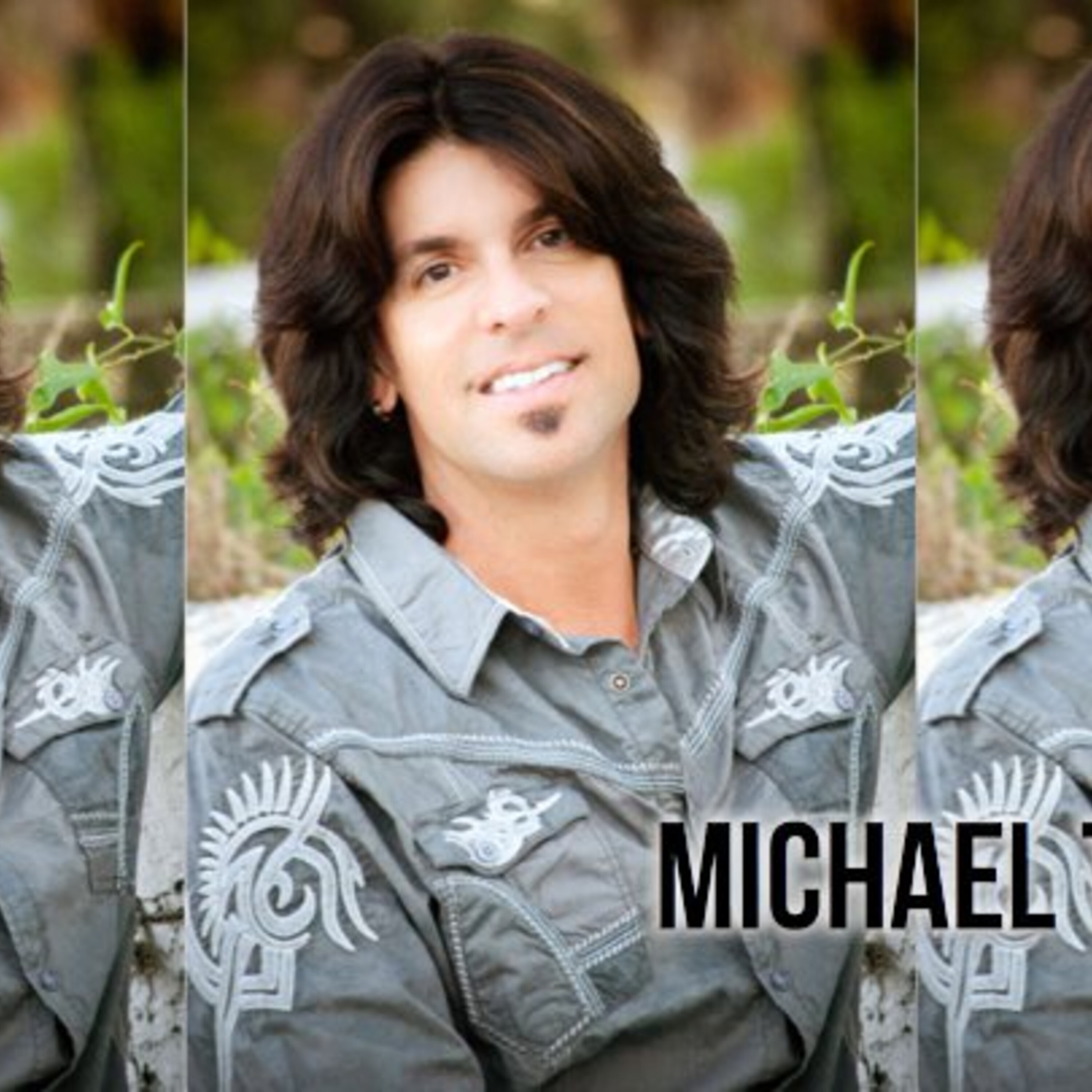
But at a recent health summit, someone handed me a book called “The Sound Of Healing”, written by author Michael Tyrrell…along with a handful of CD’s that Michael had recorded. These CD’s, called "Wholetones" are described as music that "heals, repairs, and protects against disease." So, skeptical but curious, I sat down and read the entire Sound Of Healing book, and I began occasionally listening to the CD’s while driving, while getting a massage, while sitting in my sauna, etc. Every time I finished a CD, I had such a unique feeling of elation and satisfaction after listening, I downloaded a digital tuning app and retuned my guitar and my ukelele to the “frequencies” Michael described in the book. This may all seem a bit “woo-woo”, but it made a huge difference in the ability of a song to make me feel uplifted and full of positive energy as I played it.
I managed to get Michael on today’s podcast, and during our discussion you’ll discover:
-Why the music and sound you listen to every day is not tuned the right way and can actually be destroying organ function... -How sound frequencies affect the human body, water, plants and more... -How to "re-tune" music and sound to heal organs and provide therapy to the body... -How to combine light and sound to de-stress your body... -Why digital sound from CD's and mp3's are not as good as analog sound from things like vinyl albums, and what you can do about it if you don't want to buy a vinyl record turntable... -The best way to use the sound to heal your body and to target specific organ systems... -What Michael thinks about the use of tuning forks as vibrational sound therapy... -How can a musician "re-tune" their instrument to the correct frequency... -And much more...
Resources from this episode: -The WholeTones Healing CD's -The Sound Of Healing book -Digital tuning device -The fluoride "deception" conspiracy podcast I recorded -The Biomat device -Royal Rife -DETA electromagnetic bioresonance devices -DELTASleeper device -Earthpulse device -SADIE recording software -Tuning the Human Biofield book (tuning fork therapy)
Do you have questions, comments or feedback for Michael or me? Leave your thoughts at BenGreenfieldFitness.com and one of us will reply.
See omnystudio.com/listener for privacy information.
Available Results
Generated results are saved to your library for reuse and search.
Choose Template
Pick the result you want. You can review provider and model before generating.
A concise first-pass summary for understanding the episode quickly.
A comprehensive, source-grounded extraction of the reusable knowledge in an episode.
A comprehensive extraction focused on health practices, protocols, claims, and safety caveats.
A dedicated analysis of warnings, limitations, trade-offs, weak evidence, and uncertainty.
Repeatable methods, frameworks, mental models, processes, and systems.
Technologies, AI models, technical methods, capabilities, limitations, and adoption implications.
A concise first-pass summary for understanding the episode quickly.
A detailed readable summary organized by chapter or topic.
A navigable map of subjects, topic flow, and suggested chapters.
A comprehensive, source-grounded extraction of the reusable knowledge in an episode.
Reusable atomic knowledge units extracted from the episode.
A comprehensive extraction focused on health practices, protocols, claims, and safety caveats.
A comprehensive extraction focused on opportunities, strategy, markets, and company building.
Explicit actions, next steps, habits, recommendations, and things to avoid.
A dedicated inventory of concrete resources named in the episode.
A dedicated analysis of warnings, limitations, trade-offs, weak evidence, and uncertainty.
A concise first-pass summary for understanding the episode quickly.
A detailed readable summary organized by chapter or topic.
A navigable map of subjects, topic flow, and suggested chapters.
A comprehensive, source-grounded extraction of the reusable knowledge in an episode.
Reusable atomic knowledge units extracted from the episode.
A comprehensive extraction focused on health practices, protocols, claims, and safety caveats.
A comprehensive extraction focused on opportunities, strategy, markets, and company building.
Scientific findings, mechanisms, studies, hypotheses, and the limits of the evidence discussed.
Technologies, AI models, technical methods, capabilities, limitations, and adoption implications.
Investment theses, assets, catalysts, valuation reasoning, time horizons, and risks.
Chronologies, actors, causes, consequences, turning points, and competing historical interpretations.
Policies, proposals, stakeholders, arguments, implementation constraints, and predicted effects.
Career paths, skills, hiring signals, workplace decisions, transitions, and limitations of the advice.
Behavioral mechanisms, biases, motivation, habits, emotions, interventions, and evidence limitations.
Economic mechanisms, incentives, indicators, market structure, forecasts, and uncertainty.
Leadership principles, team systems, organizational design, culture, feedback, and failure modes.
Audience, positioning, messaging, acquisition, retention, experiments, metrics, and failed approaches.
Teaching methods, learning strategies, practice, feedback, assessment, and effectiveness evidence.
Theses, premises, arguments, objections, values, thought experiments, and unresolved questions.
Communication patterns, conflict, boundaries, expectations, repair methods, and contextual limitations.
Books, papers, authors, courses, and other learning resources mentioned in the episode.
Repeatable methods, frameworks, mental models, processes, and systems.
Explicit actions, next steps, habits, recommendations, and things to avoid.
Memorable statements and important claims with attribution and source context.
A dedicated inventory of concrete resources named in the episode.
A dedicated analysis of warnings, limitations, trade-offs, weak evidence, and uncertainty.