How To Decode Your Genome, Unlock The Nitty-Gritty Details Behind Your DNA, Discover Your Good Genes, Your Bad Genes & More.
https://bengreenfieldfitness.com/decode
This is a special Premium audio episode. Click here to activate a Premium subscription to the BenGreenfieldFitness show and access this and over 300 additional hidden audios, videos, pdf's and more!
Have you ever wondered what happens when someone drips a bunch of saliva into a special tube and mails it off to a company like 23AndMe or DNAFit for genetic testing?
Is there a difference between something you pay a couple hundred bucks for on a website like 23AndMe or DNAFit and the type of "full genome sequencing" people are paying tens of thousands of dollars to companies like the Human Longevity Project to do? Are there such things as "bad genes" or "bad SNPs" and if so, can you do anything about it? What is the future of genetic testing and fixing or upgrading yourself based on your gene results? We delve into these topics and many more on today's podcast.
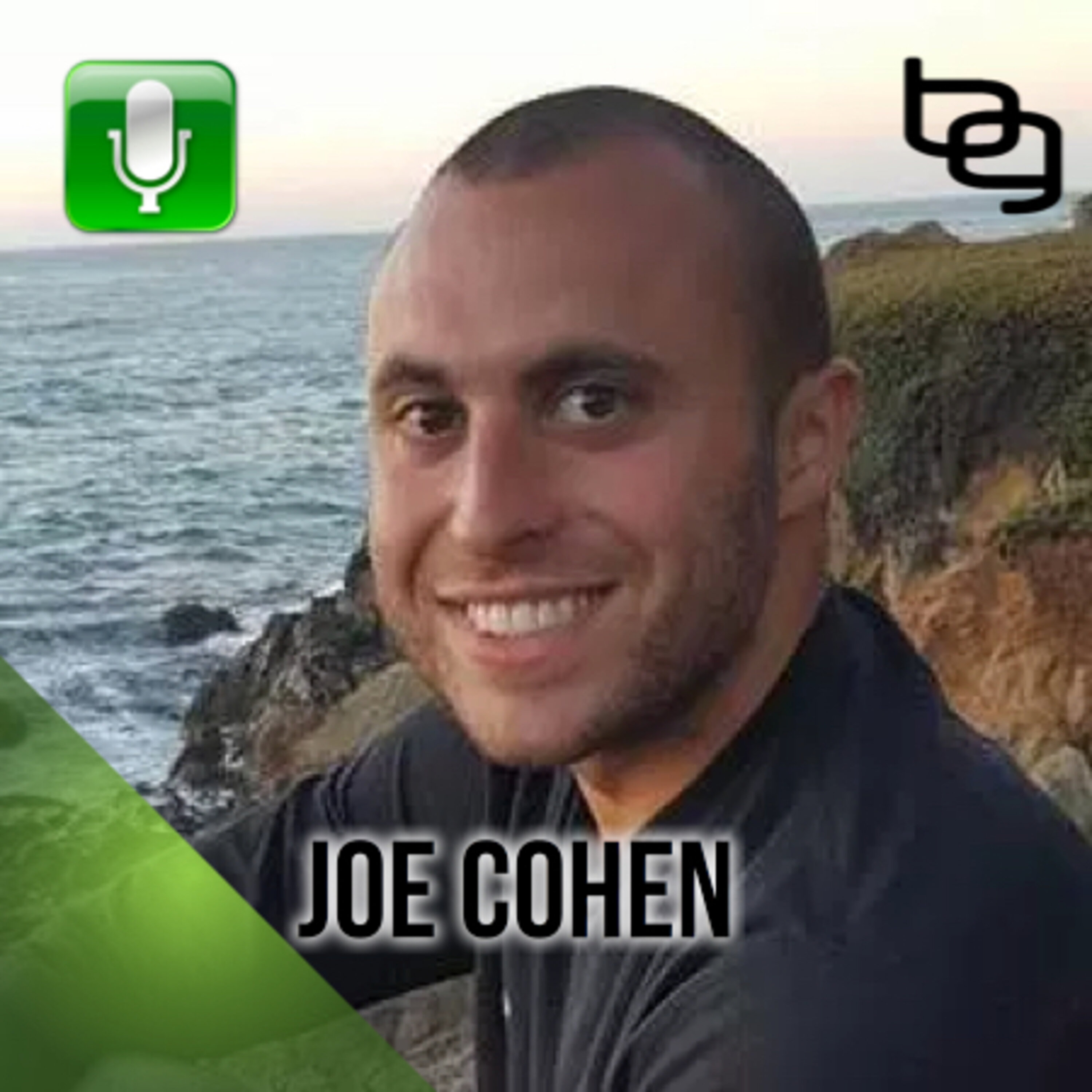
My guest on this episode is Joseph Cohen, previously a podcast guest on 32 Ways to Stimulate Your Vagus Nerve, Fine-Tune Your Nervous System & Self-Hack Your Hormones. Joe is the owner and main writer at SelfHacked.com. Since upgrading or ‘biohacking’ himself, Joe has become an investor and entrepreneur, founding SelfDecode, a biotech company that helps people understand their genetics in order to optimize their health. SelfDecode uses genetics, blood tests, symptoms and other health data to predict beneficial outcomes for drugs, supplements, lifestyle and dietary changes in order to optimize health. Joe also consults with high profile executives, self-hackers and companies and is writing a book about optimizing health. Joe likes to spend his free time learning how to code.
https://www.youtube.com/watch?v=I2QKSjVf1a0
During our discussion, you'll discover:
-How genes are analyzed these days after you drip your saliva into a tube and "send it off" to a website like 23andme or DNAFit...[6:35]
-How is this different than the "full genome sequencing" people are paying tens of thousands of dollars to companies like the Human Longevity Project to do...[10:20]
-What an SNP is and why it's so important for you to be able to identify various units in your DNA that can have mutations...[14:05]
-How Joe's SelfDecode website works, and how it is far different than uploading your results to a website like Promethease and Genetic Genie...[16:30 & 36:45]
-The most common gene issues that can cause health problems, including the cannabinoid gene, the HLA gene and the MTHRF gene...[44:10 & 49:30]
-What a "gene pack" is, why there are certain packs associated with things like longevity, cognitive health, dopamine, etc...[54:00]
-And much more!
Resources from this episode: -The SelfDecode website (use code BEN50 to get 50% off your first month) -Previous Premium podcast with Joseph Cohen: 32 Ways to Stimulate Your Vagus Nerve, Fine-Tune Your Nervous System & Self-Hack Your Hormones. -23AndMe -23AndYou -DNAFit -Joe's Methylene Blue video
Do you have questions, thoughts or feedback for Joseph or me? Leave your comments at BenGreenfieldFitness.com and one of us will reply!
See omnystudio.com/listener for privacy information.
Available Results
Generated results are saved to your library for reuse and search.
Choose Template
Pick the result you want. You can review provider and model before generating.
A concise first-pass summary for understanding the episode quickly.
A comprehensive, source-grounded extraction of the reusable knowledge in an episode.
A comprehensive extraction focused on health practices, protocols, claims, and safety caveats.
A dedicated analysis of warnings, limitations, trade-offs, weak evidence, and uncertainty.
Repeatable methods, frameworks, mental models, processes, and systems.
A comprehensive extraction focused on opportunities, strategy, markets, and company building.
A concise first-pass summary for understanding the episode quickly.
A detailed readable summary organized by chapter or topic.
A navigable map of subjects, topic flow, and suggested chapters.
A comprehensive, source-grounded extraction of the reusable knowledge in an episode.
Reusable atomic knowledge units extracted from the episode.
A comprehensive extraction focused on health practices, protocols, claims, and safety caveats.
A comprehensive extraction focused on opportunities, strategy, markets, and company building.
Explicit actions, next steps, habits, recommendations, and things to avoid.
A dedicated inventory of concrete resources named in the episode.
A dedicated analysis of warnings, limitations, trade-offs, weak evidence, and uncertainty.
A concise first-pass summary for understanding the episode quickly.
A detailed readable summary organized by chapter or topic.
A navigable map of subjects, topic flow, and suggested chapters.
A comprehensive, source-grounded extraction of the reusable knowledge in an episode.
Reusable atomic knowledge units extracted from the episode.
A comprehensive extraction focused on health practices, protocols, claims, and safety caveats.
A comprehensive extraction focused on opportunities, strategy, markets, and company building.
Scientific findings, mechanisms, studies, hypotheses, and the limits of the evidence discussed.
Technologies, AI models, technical methods, capabilities, limitations, and adoption implications.
Investment theses, assets, catalysts, valuation reasoning, time horizons, and risks.
Chronologies, actors, causes, consequences, turning points, and competing historical interpretations.
Policies, proposals, stakeholders, arguments, implementation constraints, and predicted effects.
Career paths, skills, hiring signals, workplace decisions, transitions, and limitations of the advice.
Behavioral mechanisms, biases, motivation, habits, emotions, interventions, and evidence limitations.
Economic mechanisms, incentives, indicators, market structure, forecasts, and uncertainty.
Leadership principles, team systems, organizational design, culture, feedback, and failure modes.
Audience, positioning, messaging, acquisition, retention, experiments, metrics, and failed approaches.
Teaching methods, learning strategies, practice, feedback, assessment, and effectiveness evidence.
Theses, premises, arguments, objections, values, thought experiments, and unresolved questions.
Communication patterns, conflict, boundaries, expectations, repair methods, and contextual limitations.
Books, papers, authors, courses, and other learning resources mentioned in the episode.
Repeatable methods, frameworks, mental models, processes, and systems.
Explicit actions, next steps, habits, recommendations, and things to avoid.
Memorable statements and important claims with attribution and source context.
A dedicated inventory of concrete resources named in the episode.
A dedicated analysis of warnings, limitations, trade-offs, weak evidence, and uncertainty.