Lycophytes, Quillworts & the "Great Dying"
I became fixated on lycophytes because of some of the cool desert-dwelling members of the genus Selaginella, not to mention the utterly weird "clubmosses" that thrive in places as disparate as Northern Wisconsin and the slopes of volcanoes in New Zealand, but in this episode botanist Jeff Benca tells us about his work with relatives of the genus Isoetes ("Quillworts") and how their 250 million year old relatives might have been able to survive the biggest extinction in Earth's history, otherwise known as the Permian Extinction or "The Great Dying".
Jeff's IG : @jeffbenca
FB : Jeff Benca
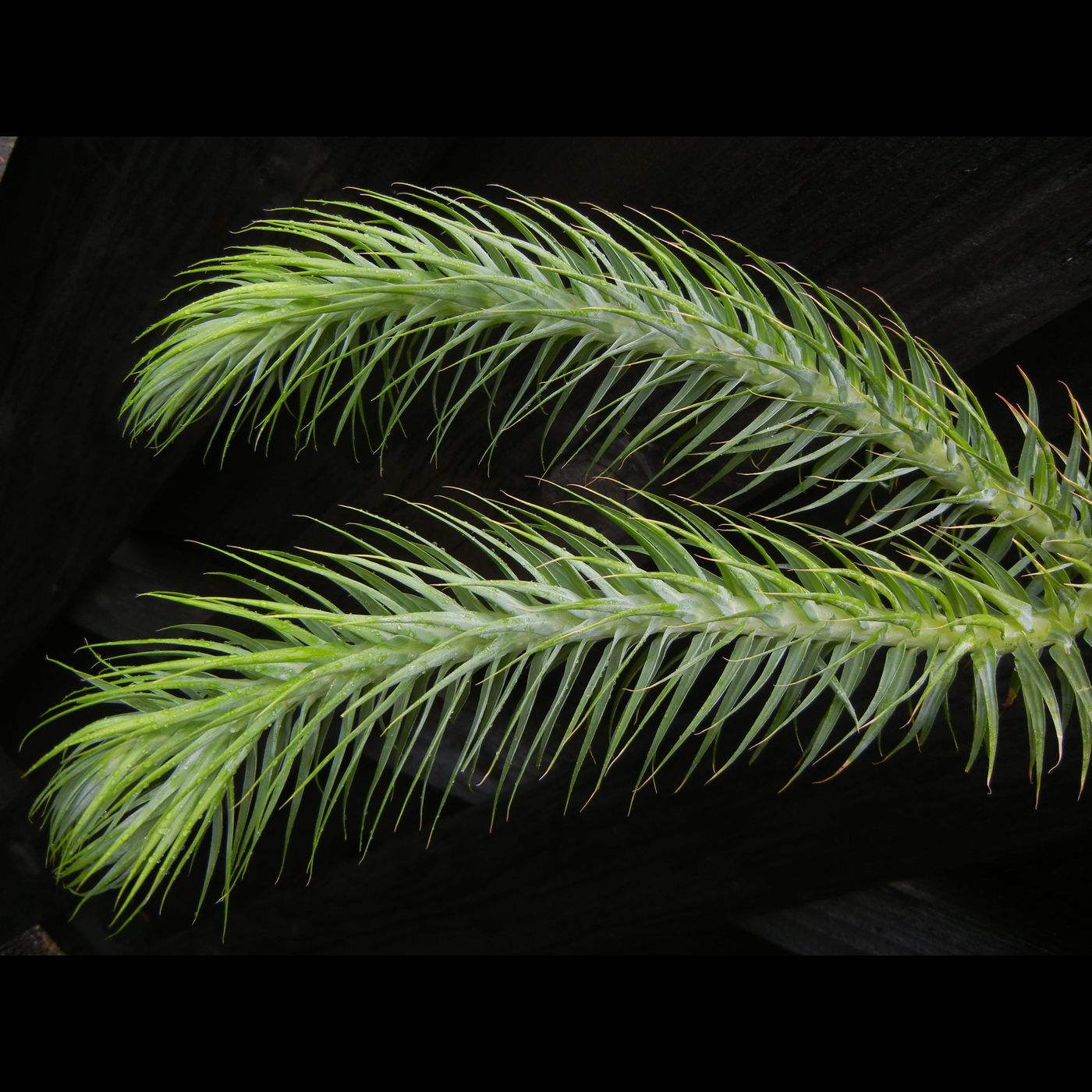
Thumbnail is Phlegmariurus dalhousianus, photo by Jeff Benca. Other species mentioned in this episode is Lycopodium vestidum. Extinct species mentioned here that were thriving during the Permian Extinction Event and are related to Isoetes are Pleuromeia and Annalepis.
Compounds that volcanic dykes and sills interacted with that were locked up in salt deposits and related to UV shield degradation during the Permian Extinction Event were methyl bromide and methyl chloride.
Jeff's IG : @jeffbenca
FB : Jeff Benca
Thumbnail is Phlegmariurus dalhousianus, photo by Jeff Benca. Other species mentioned in this episode is Lycopodium vestidum. Extinct species mentioned here that were thriving during the Permian Extinction Event and are related to Isoetes are Pleuromeia and Annalepis.
Compounds that volcanic dykes and sills interacted with that were locked up in salt deposits and related to UV shield degradation during the Permian Extinction Event were methyl bromide and methyl chloride.
More description
I became fixated on lycophytes because of some of the cool desert-dwelling members of the genus Selaginella, not to mention the utterly weird "clubmosses" that thrive in places as disparate as Northern Wisconsin and the slopes of volcanoes in New Zealand, but in this episode botanist Jeff Benca tells us about his work with relatives of the genus Isoetes ("Quillworts") and how their 250 million year old relatives might have been able to survive the biggest extinction in Earth's history, otherwise known as the Permian Extinction or "The Great Dying".
Jeff's IG : @jeffbenca
FB : Jeff Benca
Thumbnail is Phlegmariurus dalhousianus, photo by Jeff Benca. Other species mentioned in this episode is Lycopodium vestidum. Extinct species mentioned here that were thriving during the Permian Extinction Event and are related to Isoetes are Pleuromeia and Annalepis.
Compounds that volcanic dykes and sills interacted with that were locked up in salt deposits and related to UV shield degradation during the Permian Extinction Event were methyl bromide and methyl chloride.
Jeff's IG : @jeffbenca
FB : Jeff Benca
Thumbnail is Phlegmariurus dalhousianus, photo by Jeff Benca. Other species mentioned in this episode is Lycopodium vestidum. Extinct species mentioned here that were thriving during the Permian Extinction Event and are related to Isoetes are Pleuromeia and Annalepis.
Compounds that volcanic dykes and sills interacted with that were locked up in salt deposits and related to UV shield degradation during the Permian Extinction Event were methyl bromide and methyl chloride.
2024-09-16
157 min
Transcript
Listen elsewhere
Available Results
Generated results are saved to your library for reuse and search.
No generated results are available for this episode yet.
Transcript
Open the Transcript tab to load the transcript.
Chapters
No chapters available.