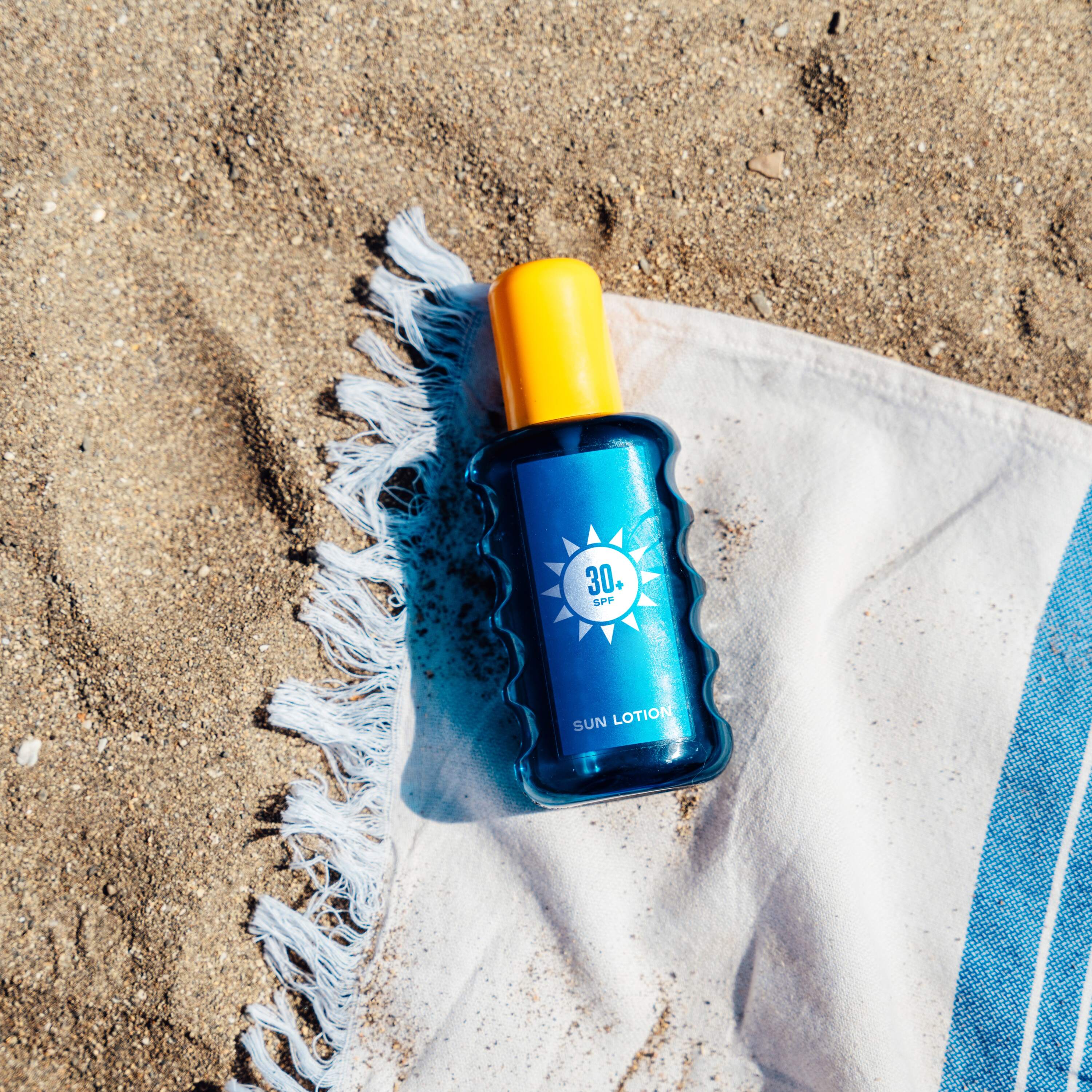
A chemical found in fish could help reinvent your sunscreen
It’s been over 25 years since the FDA approved a new ingredient for sunscreen in the United States. But a molecule called gadusol found in fish and coral reefs is a promising candidate. It absorbs U.V. rays — acting like a built-in sunscreen for fish. But there’s a big hurdle if scientists want to turn gadusol into human sunscreen: They’d need to make a lot of it. A new study out this week in the journal Trends in Biotechnology takes us a big step closer. Their solution? Using the bacteria best known for making your stomach hurt: e. Coli.
Interested in more science? Email us your question at shortwave@npr.org.
Listen to every episode of Short Wave sponsor-free and support our work at NPR by signing up for Short Wave+ at plus.npr.org/shortwave.
See pcm.adswizz.com for information about our collection and use of personal data for sponsorship and to manage your podcast sponsorship preferences.
NPR Privacy Policy
Interested in more science? Email us your question at shortwave@npr.org.
Listen to every episode of Short Wave sponsor-free and support our work at NPR by signing up for Short Wave+ at plus.npr.org/shortwave.
See pcm.adswizz.com for information about our collection and use of personal data for sponsorship and to manage your podcast sponsorship preferences.
NPR Privacy Policy
More description
It’s been over 25 years since the FDA approved a new ingredient for sunscreen in the United States. But a molecule called gadusol found in fish and coral reefs is a promising candidate. It absorbs U.V. rays — acting like a built-in sunscreen for fish. But there’s a big hurdle if scientists want to turn gadusol into human sunscreen: They’d need to make a lot of it. A new study out this week in the journal Trends in Biotechnology takes us a big step closer. Their solution? Using the bacteria best known for making your stomach hurt: e. Coli.
Interested in more science? Email us your question at shortwave@npr.org.
Listen to every episode of Short Wave sponsor-free and support our work at NPR by signing up for Short Wave+ at plus.npr.org/shortwave.
See pcm.adswizz.com for information about our collection and use of personal data for sponsorship and to manage your podcast sponsorship preferences.
NPR Privacy Policy
Interested in more science? Email us your question at shortwave@npr.org.
Listen to every episode of Short Wave sponsor-free and support our work at NPR by signing up for Short Wave+ at plus.npr.org/shortwave.
See pcm.adswizz.com for information about our collection and use of personal data for sponsorship and to manage your podcast sponsorship preferences.
NPR Privacy Policy
2026-05-15
10 min
Listen elsewhere
Available Results
Generated results are saved to your library for reuse and search.
No generated results are available for this episode yet.
Transcript
No transcript is available for this episode yet.
Sign in to generate a transcript for review.
Sign in
Chapters
No chapters available.