How To Get To Sleep At Night Before A Big Race.
For two years, since nearly breaking the 4 hour mark in a Half-Ironman in Japan, I've had an "anchor".
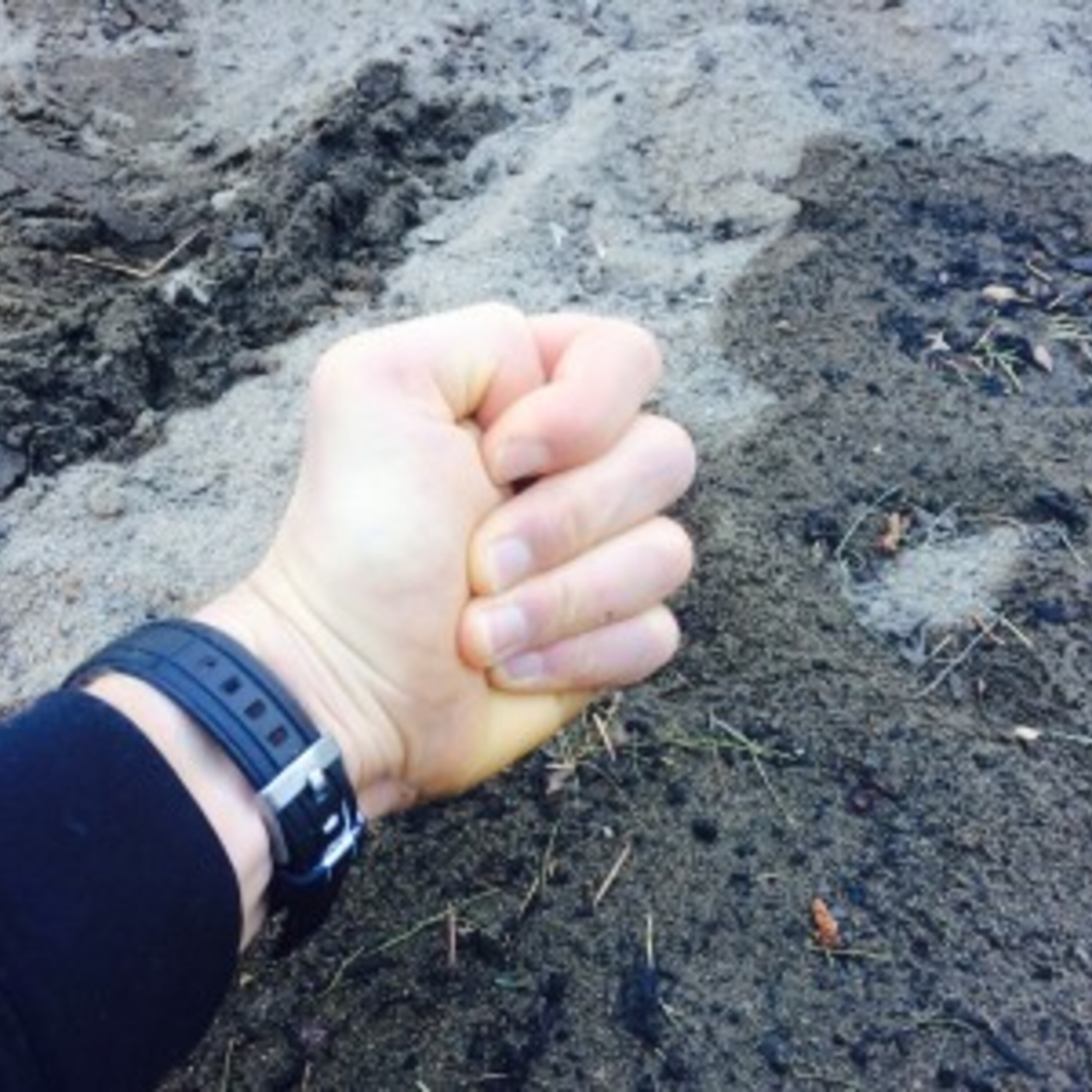
Not that heavy piece of metal you drop off the back of a boat. I'm talking about a mental anchor. Basically, it goes like this: when I'm in the middle of a race, I squeeze my thumb up against the inside of my hand, and this triggers my mind to shout this phrase "never gonna catch me".
Then I seem to just take off like a shot. I'm totally not kidding. It shuts down the pain, let's me focus, and causes me to tap into a quick burst of hidden energy. I developed this anchor during something called a neurolingustic programming session (also known as "NLP") that I recorded for a podcast just a few days before that race in Japan, and I released the podcast a few days later.
You can listen to it at "How To Rewire Your Brain and Body With Neurolinguistic Programming". But this simple programming technique still didn't tackle another important issue - the trouble that many athletes have getting to sleep at night before the big race.
After all, no matter how well wired you are to perform fantastically, you'll be miserable if you feel like you've just pulled an all-nighter!
So today I have good news: I've invited back on the podcast the guy who taught me that anchor and neurolinguistically "programmed" me.
His name is Andy Murphy, and in this episode, he's going to teach us exactly how to get to sleep at night before a big race or event.
During our podcast, you'll learn: -How to tap into your subconscious in a practical and easy-to-understand way... -How to instantly make your room more comfortable, even if it's a hotel room, tent or some other place you're not used to sleeping... -How to stop the "excitement" movie from playing in your head, and replace it with relaxation... -How to program your subconscious for deep sleep to feel calm and happy before your event... -And much more!
Do you have questions, comments or feedback about how to get to sleep at night before a big race, or your own tips to share? Leave your thoughts at BenGreenfieldFitness.com!
See omnystudio.com/listener for privacy information.
Available Results
Generated results are saved to your library for reuse and search.
Choose Template
Pick the result you want. You can review provider and model before generating.
A concise first-pass summary for understanding the episode quickly.
A comprehensive, source-grounded extraction of the reusable knowledge in an episode.
A comprehensive extraction focused on health practices, protocols, claims, and safety caveats.
A dedicated analysis of warnings, limitations, trade-offs, weak evidence, and uncertainty.
Repeatable methods, frameworks, mental models, processes, and systems.
Technologies, AI models, technical methods, capabilities, limitations, and adoption implications.
A concise first-pass summary for understanding the episode quickly.
A detailed readable summary organized by chapter or topic.
A navigable map of subjects, topic flow, and suggested chapters.
A comprehensive, source-grounded extraction of the reusable knowledge in an episode.
Reusable atomic knowledge units extracted from the episode.
A comprehensive extraction focused on health practices, protocols, claims, and safety caveats.
A comprehensive extraction focused on opportunities, strategy, markets, and company building.
Explicit actions, next steps, habits, recommendations, and things to avoid.
A dedicated inventory of concrete resources named in the episode.
A dedicated analysis of warnings, limitations, trade-offs, weak evidence, and uncertainty.
A concise first-pass summary for understanding the episode quickly.
A detailed readable summary organized by chapter or topic.
A navigable map of subjects, topic flow, and suggested chapters.
A comprehensive, source-grounded extraction of the reusable knowledge in an episode.
Reusable atomic knowledge units extracted from the episode.
A comprehensive extraction focused on health practices, protocols, claims, and safety caveats.
A comprehensive extraction focused on opportunities, strategy, markets, and company building.
Scientific findings, mechanisms, studies, hypotheses, and the limits of the evidence discussed.
Technologies, AI models, technical methods, capabilities, limitations, and adoption implications.
Investment theses, assets, catalysts, valuation reasoning, time horizons, and risks.
Chronologies, actors, causes, consequences, turning points, and competing historical interpretations.
Policies, proposals, stakeholders, arguments, implementation constraints, and predicted effects.
Career paths, skills, hiring signals, workplace decisions, transitions, and limitations of the advice.
Behavioral mechanisms, biases, motivation, habits, emotions, interventions, and evidence limitations.
Economic mechanisms, incentives, indicators, market structure, forecasts, and uncertainty.
Leadership principles, team systems, organizational design, culture, feedback, and failure modes.
Audience, positioning, messaging, acquisition, retention, experiments, metrics, and failed approaches.
Teaching methods, learning strategies, practice, feedback, assessment, and effectiveness evidence.
Theses, premises, arguments, objections, values, thought experiments, and unresolved questions.
Communication patterns, conflict, boundaries, expectations, repair methods, and contextual limitations.
Books, papers, authors, courses, and other learning resources mentioned in the episode.
Repeatable methods, frameworks, mental models, processes, and systems.
Explicit actions, next steps, habits, recommendations, and things to avoid.
Memorable statements and important claims with attribution and source context.
A dedicated inventory of concrete resources named in the episode.
A dedicated analysis of warnings, limitations, trade-offs, weak evidence, and uncertainty.