Heart Rate Monitors in Swimming: Complete Waste of Time or Game-Changer? Dax vs Elvis Debate
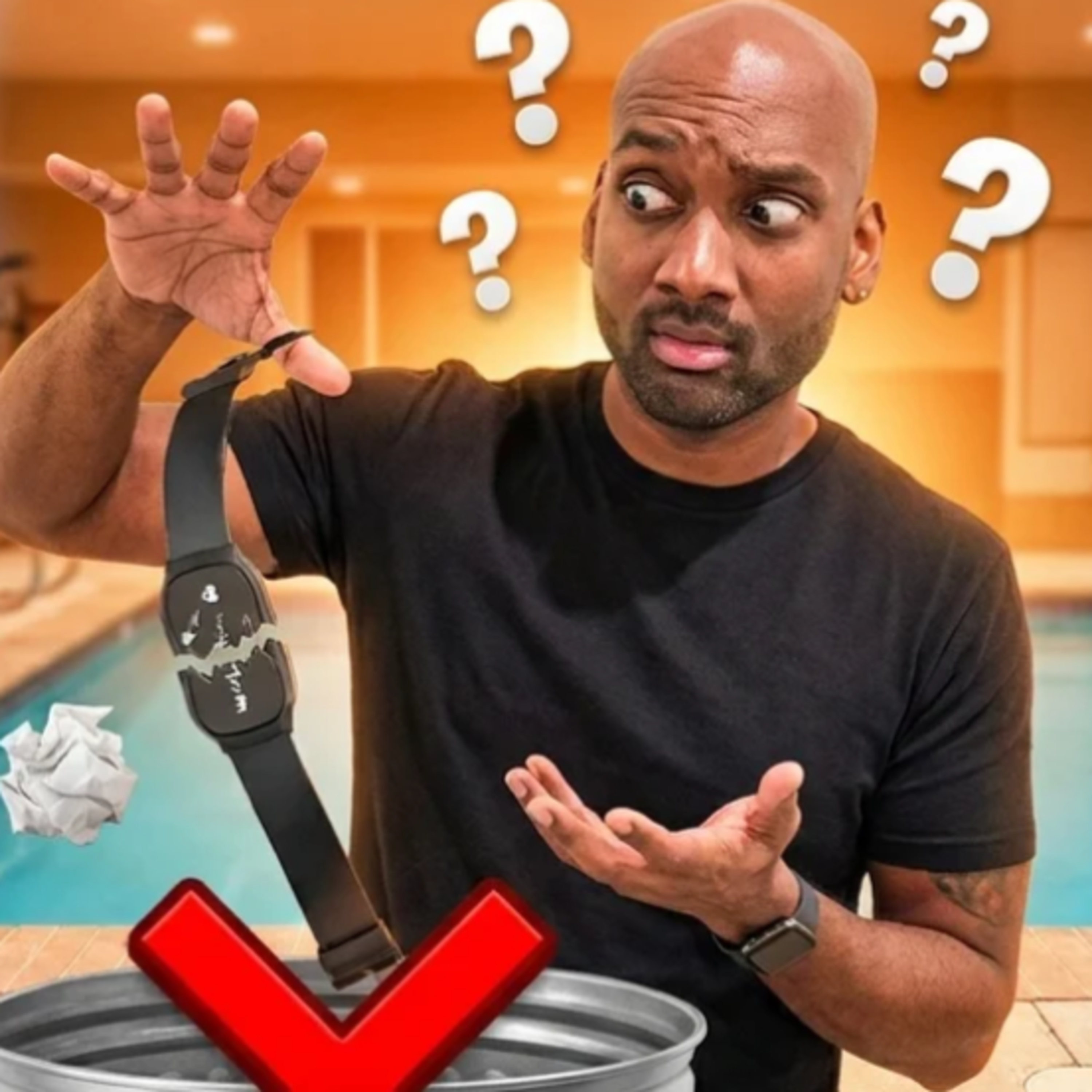
One of the most heated debates we’ve had on Night Swim — are heart rate monitors actually useful in training or just another useless gimmick?It started with a viral video of a big pro group (possibly Texas/Bob Bowman) wearing HR monitors in the water during practice. The swimming internet lost their minds calling it genius. Dax immediately called BS.Dax’s Take (The Purist):- Heart rate info is irrelevant on race day. If Michael Phelps is winning a 200 free in 1:46 with his HR through the roof, he’s not slowing down to stay in some “zone.”- Most coaches use it for arbitrary cardio zones that produce junk training — tons of volume at sub-max effort instead of race-specific intensity.- You should train at the exact intensity you’ll race at. Everything else is a waste. Focus on feel, maximal muscle contraction, and adaptation.Elvis’s Take (The Adaptations Coach):- Uses heart rate as a key tool, especially targeting 90-95% of max HR where the best muscular and physiological adaptations happen.- Critical when paired with perfect technique and muscle-driven swimming (not just flailing for cardio).- Helps prevent overtraining/maladaptation, teaches swimmers to recognize when they’re crashing vs. being efficient, and builds confidence by knowing you can hold race tempo under fatigue.- It’s not about the number on the watch — it’s about understanding feel, lactic acid management, oxygen delivery, and training the body to sustain power when it matters.They go deep and go at each other hard:- Muscle vs. cardio debate- Cam McEvoy low-yardage style vs. traditional high-volume- Why “training zones” often fail sprinters- Real-world examples from their own careers- The future of training: swimming in place with resistance?Raw, unfiltered, no-BS swimming science and philosophy from two experienced swimmers/coaches who actually get results. This one might ruffle some feathers in the coaching community.Where do you stand — Team Heart Rate Monitor or Team “Feel & Race Pace”? Have you used one in the water? Drop your experience and who won the debate in the comments 👇🌙 Night Swim PodcastWhen the pool lights go out, the real talk begins. Hosted by Dax Hill (NCAA champ, Texas Longhorns legend, high-performance technique guru @Reykli) and Elvis Burrows (Bahamian Olympian, national record holder, founder of Burrow's Best swimmer hair and skin care), Night Swim is unfiltered swim culture — NCAA battles, Olympic tea, training hacks, and pool-deck chaos. No scripts. No PR. Just two Black swimmers who’ve seen it all, saying what everyone else whispers.New episodes weekly. Grab your goggles, hit subscribe, and dive in.🎙️ Presented by Swimnerd. #NightSwimPod #Swimming
More description
One of the most heated debates we’ve had on Night Swim — are heart rate monitors actually useful in training or just another useless gimmick?It started with a viral video of a big pro group (possibly Texas/Bob Bowman) wearing HR monitors in the water during practice. The swimming internet lost their minds calling it genius. Dax immediately called BS.Dax’s Take (The Purist):- Heart rate info is irrelevant on race day. If Michael Phelps is winning a 200 free in 1:46 with his HR through the roof, he’s not slowing down to stay in some “zone.”- Most coaches use it for arbitrary cardio zones that produce junk training — tons of volume at sub-max effort instead of race-specific intensity.- You should train at the exact intensity you’ll race at. Everything else is a waste. Focus on feel, maximal muscle contraction, and adaptation.Elvis’s Take (The Adaptations Coach):- Uses heart rate as a key tool, especially targeting 90-95% of max HR where the best muscular and physiological adaptations happen.- Critical when paired with perfect technique and muscle-driven swimming (not just flailing for cardio).- Helps prevent overtraining/maladaptation, teaches swimmers to recognize when they’re crashing vs. being efficient, and builds confidence by knowing you can hold race tempo under fatigue.- It’s not about the number on the watch — it’s about understanding feel, lactic acid management, oxygen delivery, and training the body to sustain power when it matters.They go deep and go at each other hard:- Muscle vs. cardio debate- Cam McEvoy low-yardage style vs. traditional high-volume- Why “training zones” often fail sprinters- Real-world examples from their own careers- The future of training: swimming in place with resistance?Raw, unfiltered, no-BS swimming science and philosophy from two experienced swimmers/coaches who actually get results. This one might ruffle some feathers in the coaching community.Where do you stand — Team Heart Rate Monitor or Team “Feel & Race Pace”? Have you used one in the water? Drop your experience and who won the debate in the comments 👇🌙 Night Swim PodcastWhen the pool lights go out, the real talk begins. Hosted by Dax Hill (NCAA champ, Texas Longhorns legend, high-performance technique guru @Reykli) and Elvis Burrows (Bahamian Olympian, national record holder, founder of Burrow's Best swimmer hair and skin care), Night Swim is unfiltered swim culture — NCAA battles, Olympic tea, training hacks, and pool-deck chaos. No scripts. No PR. Just two Black swimmers who’ve seen it all, saying what everyone else whispers.New episodes weekly. Grab your goggles, hit subscribe, and dive in.🎙️ Presented by Swimnerd. #NightSwimPod #Swimming
Listen elsewhere
Available Results
Generated results are saved to your library for reuse and search.