How Evolutionary Thinking Delayed a Nobel Prize Discovery
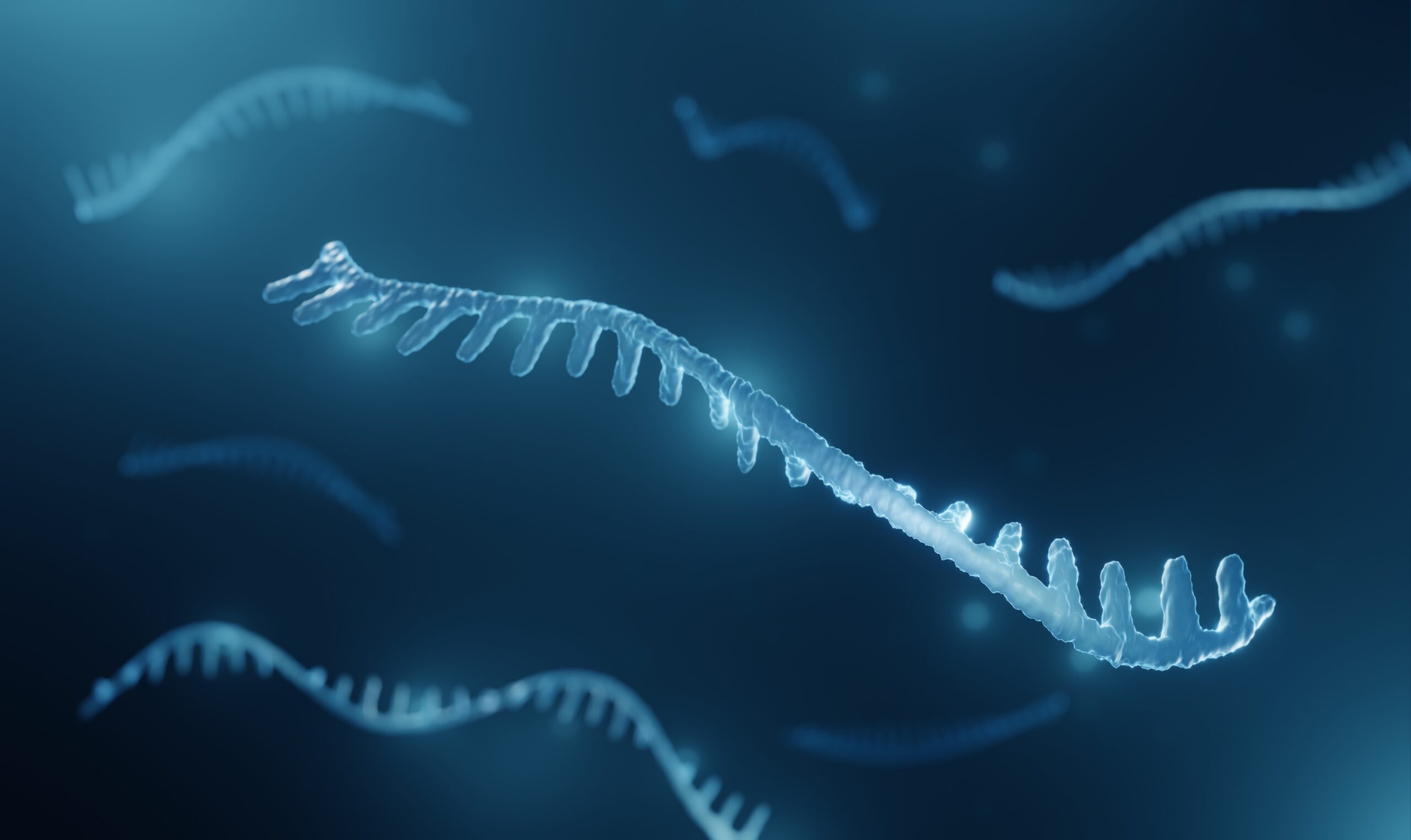
For decades, evolutionary biologists considered non-coding regions of DNA as evolutionary junk, a paradigm that long dissuaded researchers from studying these little-understood portions of the genome. But a series of discoveries starting in 2008 has forced a major change in thinking about so-called "junk" DNA. Many examples of function have since been identified for the non-coding regions of DNA, and more are being uncovered each year. On this ID The Future, Dr. Casey Luskin reports on a pair of American biologists who were recently awarded the Nobel Prize for their discovery of function in what was previously considered junk DNA.
More description
For decades, evolutionary biologists considered non-coding regions of DNA as evolutionary junk, a paradigm that long dissuaded researchers from studying these little-understood portions of the genome. But a series of discoveries starting in 2008 has forced a major change in thinking about so-called "junk" DNA. Many examples of function have since been identified for the non-coding regions of DNA, and more are being uncovered each year. On this ID The Future, Dr. Casey Luskin reports on a pair of American biologists who were recently awarded the Nobel Prize for their discovery of function in what was previously considered junk DNA.
2025-07-14
22 min
Listen elsewhere
Available Results
Generated results are saved to your library for reuse and search.
No generated results are available for this episode yet.
Transcript
No transcript is available for this episode yet.
Sign in to generate a transcript for review.
Sign in
Chapters
No chapters available.