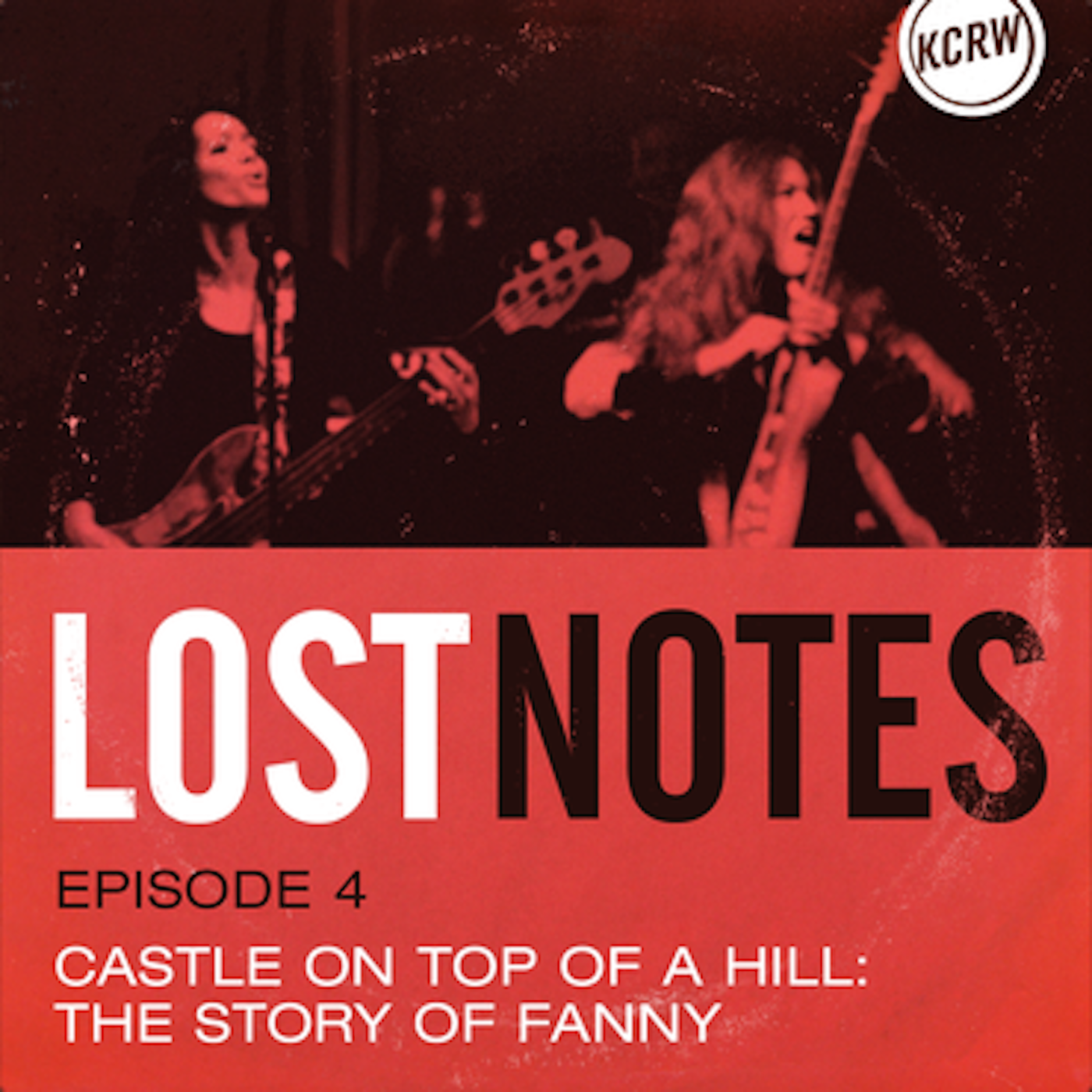
Lost Notes S2 Ep. 4: A Castle On Top of A Hill: The True Story of Fanny
The rock band Fanny ruled the Sunset Strip in the 1970s, and they were supposed to be the next big thing. They explain the price women pay for being ahead of their time.
More description
The rock band Fanny ruled the Sunset Strip in the 1970s, and they were supposed to be the next big thing. They explain the price women pay for being ahead of their time.
Listen elsewhere
Available Results
Generated results are saved to your library for reuse and search.
Choose Template
Pick the result you want. You can review provider and model before generating.
A concise first-pass summary for understanding the episode quickly.
A structured reusable extraction of ideas, methods, caveats, resources, claims, and quotes.
Repeatable methods, frameworks, mental models, processes, and systems.
Risks, warnings, limitations, trade-offs, weak evidence, and uncertainties.
Concrete books, tools, apps, websites, products, papers, people, and organizations.
Memorable quotes and important claims with source context.
A concise first-pass summary for understanding the episode quickly.
A detailed readable summary organized by chapter or topic.
Reusable atomic knowledge units extracted from the episode.
A navigable map of subjects, topic flow, and suggested chapters.
A concise first-pass summary for understanding the episode quickly.
A detailed readable summary organized by chapter or topic.
Reusable atomic knowledge units extracted from the episode.
A navigable map of subjects, topic flow, and suggested chapters.
Health, fitness, recovery, nutrition, supplement, and wellness advice or claims.
Business opportunities, strategy insights, and company-building lessons.
Books and learning resources mentioned in the episode.
Repeatable methods, frameworks, mental models, processes, and systems.
Risks, warnings, limitations, trade-offs, weak evidence, and uncertainties.
Explicit actions, next steps, habits, recommendations, and things to avoid.
Memorable quotes and important claims with source context.
Concrete books, tools, apps, websites, products, papers, people, and organizations.
A structured reusable extraction of ideas, methods, caveats, resources, claims, and quotes.