Transcendental Meditation: Cult, Quackery, Or Science?
After being introduced to it by music mogul Rick Rubin, I've been practicing transcendental meditation (TM) for the past year.
Why? More than 380 peer-reviewed research studies on the TM technique have been published in over 160 scientific journals. These studies were conducted at many US and international universities and research centers, including Harvard Medical School, Stanford Medical School, Yale Medical School, and UCLA Medical School...and they have shown irrefutable evidence that TM reduces insomnia, stress, anxiety, depression, blood pressure, cholesterol, congestive heart failure, atherosclerosis/stroke, free radicals, blood sugar, diabetes, pain, along with higher levels of brain functioning, longevity, sleep quality and much more.
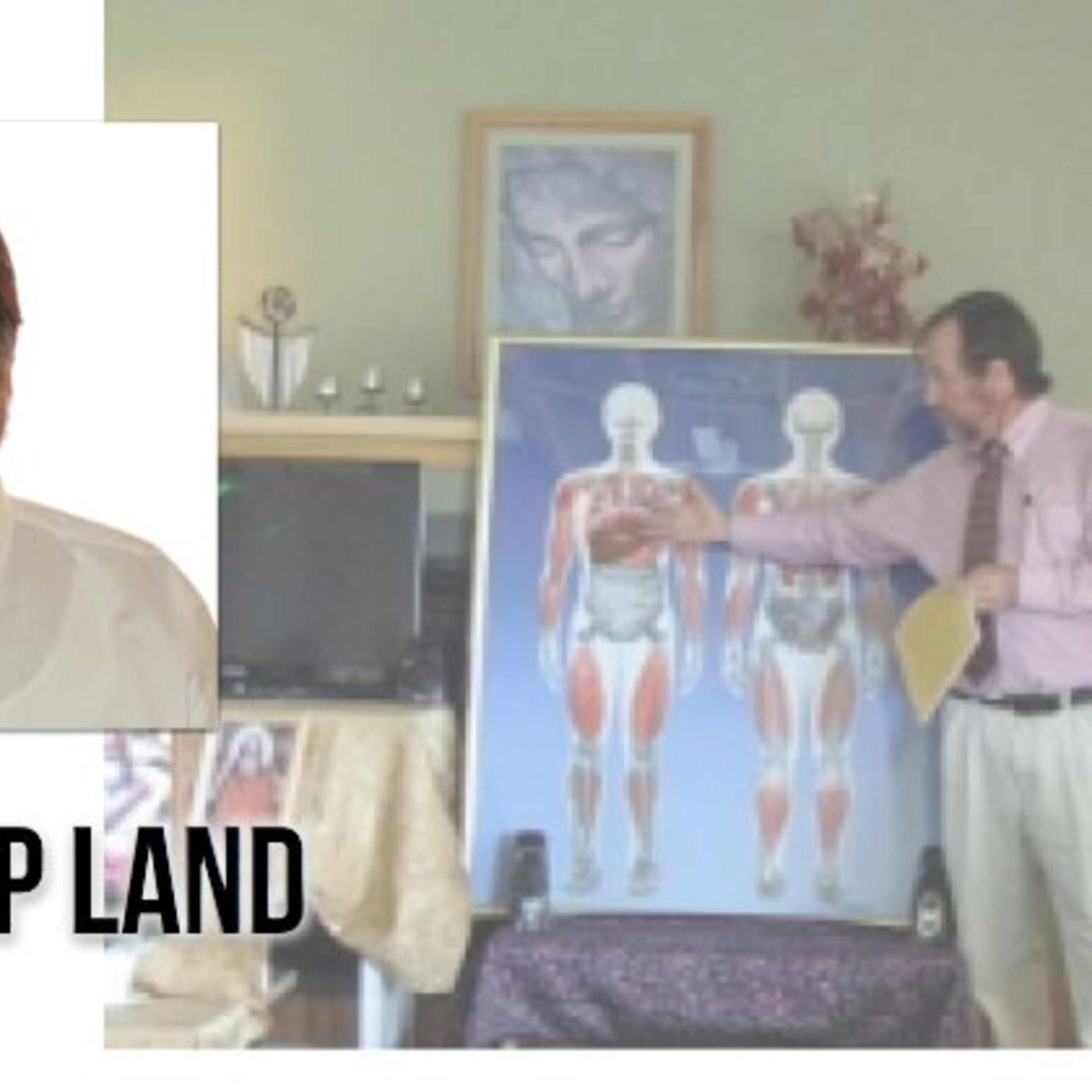
The guy who taught me everything I know about TM is named Philip Land. Philip has been practicing TM for the past 40 years. But he's no woo-woo, robe-clad, Eastern mysticist. I'd instead describe Philip as a bad-ass, hunting, redneck hippie family man. But he's taught TM all over the globe, worked with celebrities and high profile politicians, and also worked in medicine, computed tomography, radiation technology, craniosacral therapy, hunting instruction, shooting, wilderness survival, and much more.
So he is one very interesting man. And during our discussion, you'll discover: -How Philip, a "redneck hunting instructor" got involved in TM...
-A very easy-to-understand explanation of what TM is...
-Why folks like Oprah Winfrey, Jerry Seinfeld, Katy Perry, and Russell Brand practice transcendental meditation (TM) daily...
-Whether you need to be religious to practice TM...
-What a TM mantra is... -How I used TM during the Spartan Agoge...
-The surprising changes that occur in blood or bio markers in response to TM...
-The brain wave pattern and EEG response to TM...
-How TM can change sleep patterns and sleep cycles, and even allow you to get by on less sleep...
-The difference between TM and "biohacks" like PEMF, transcutaneous stimulation, meditation apps, etc...
-Whether you really have to do TM every day...
-The best way to learn TM...
-And much more!
Resources from this episode: -TM.org -A host of TM research Do you have questions, comments or feedback for Phil or I about transcendental meditation or anything else we discuss in this episode? Leave your thoughts at BenGreenfieldFitness.com and one of us will reply!
See omnystudio.com/listener for privacy information.
Available Results
Generated results are saved to your library for reuse and search.
Choose Template
Pick the result you want. You can review provider and model before generating.
A concise first-pass summary for understanding the episode quickly.
A comprehensive, source-grounded extraction of the reusable knowledge in an episode.
A comprehensive extraction focused on health practices, protocols, claims, and safety caveats.
A dedicated analysis of warnings, limitations, trade-offs, weak evidence, and uncertainty.
Repeatable methods, frameworks, mental models, processes, and systems.
Scientific findings, mechanisms, studies, hypotheses, and the limits of the evidence discussed.
A concise first-pass summary for understanding the episode quickly.
A detailed readable summary organized by chapter or topic.
A navigable map of subjects, topic flow, and suggested chapters.
A comprehensive, source-grounded extraction of the reusable knowledge in an episode.
Reusable atomic knowledge units extracted from the episode.
A comprehensive extraction focused on health practices, protocols, claims, and safety caveats.
A comprehensive extraction focused on opportunities, strategy, markets, and company building.
Explicit actions, next steps, habits, recommendations, and things to avoid.
A dedicated inventory of concrete resources named in the episode.
A dedicated analysis of warnings, limitations, trade-offs, weak evidence, and uncertainty.
A concise first-pass summary for understanding the episode quickly.
A detailed readable summary organized by chapter or topic.
A navigable map of subjects, topic flow, and suggested chapters.
A comprehensive, source-grounded extraction of the reusable knowledge in an episode.
Reusable atomic knowledge units extracted from the episode.
A comprehensive extraction focused on health practices, protocols, claims, and safety caveats.
A comprehensive extraction focused on opportunities, strategy, markets, and company building.
Scientific findings, mechanisms, studies, hypotheses, and the limits of the evidence discussed.
Technologies, AI models, technical methods, capabilities, limitations, and adoption implications.
Investment theses, assets, catalysts, valuation reasoning, time horizons, and risks.
Chronologies, actors, causes, consequences, turning points, and competing historical interpretations.
Policies, proposals, stakeholders, arguments, implementation constraints, and predicted effects.
Career paths, skills, hiring signals, workplace decisions, transitions, and limitations of the advice.
Behavioral mechanisms, biases, motivation, habits, emotions, interventions, and evidence limitations.
Economic mechanisms, incentives, indicators, market structure, forecasts, and uncertainty.
Leadership principles, team systems, organizational design, culture, feedback, and failure modes.
Audience, positioning, messaging, acquisition, retention, experiments, metrics, and failed approaches.
Teaching methods, learning strategies, practice, feedback, assessment, and effectiveness evidence.
Theses, premises, arguments, objections, values, thought experiments, and unresolved questions.
Communication patterns, conflict, boundaries, expectations, repair methods, and contextual limitations.
Books, papers, authors, courses, and other learning resources mentioned in the episode.
Repeatable methods, frameworks, mental models, processes, and systems.
Explicit actions, next steps, habits, recommendations, and things to avoid.
Memorable statements and important claims with attribution and source context.
A dedicated inventory of concrete resources named in the episode.
A dedicated analysis of warnings, limitations, trade-offs, weak evidence, and uncertainty.