Proteins on manuscript reveal how Renaissance medicines were made
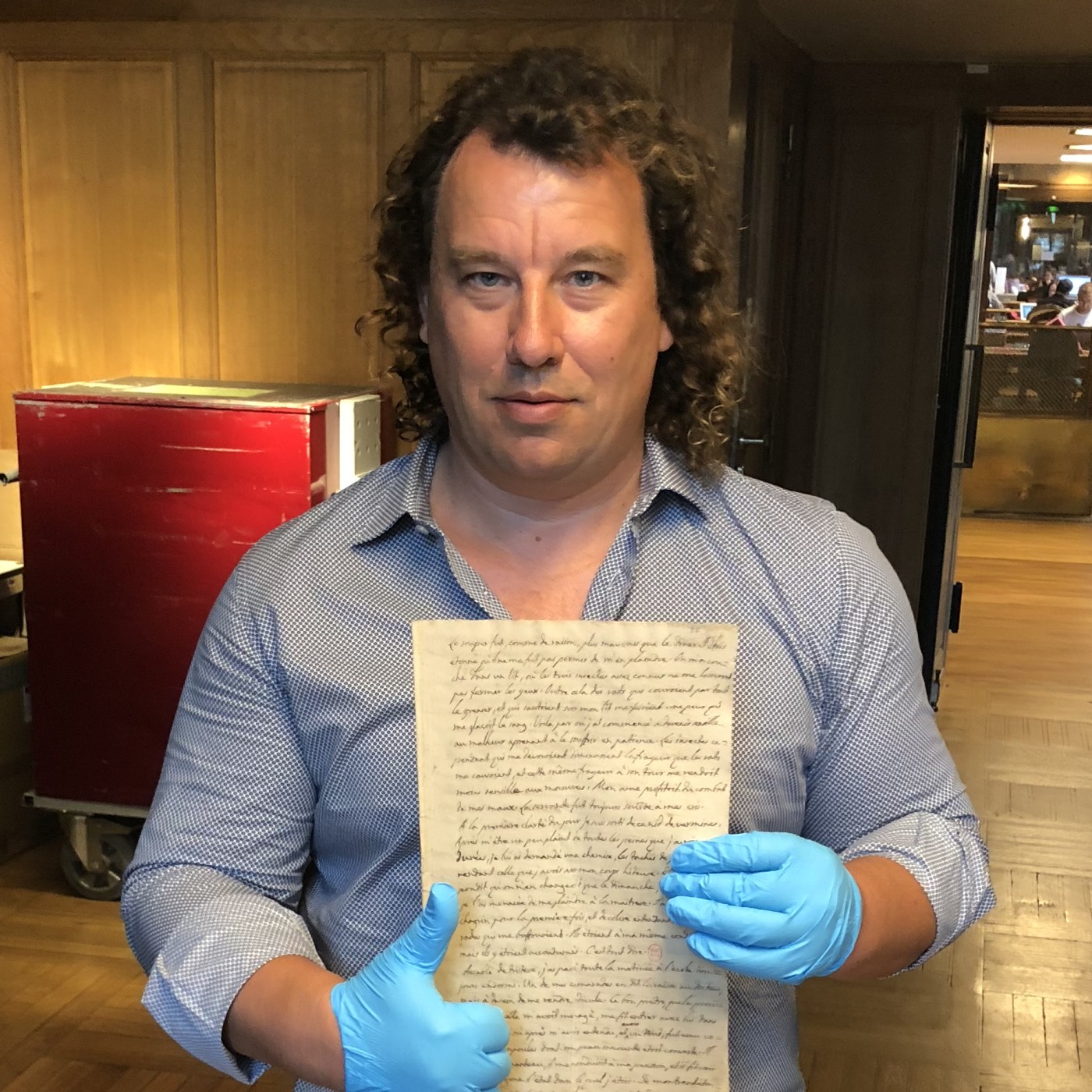
Gleb Zilberstein is my guest in this episode of the Physics World Weekly podcast. A physicist by training, Zilberstein applies the principles of proteomics to the study of historical objects including Renaissance manuscripts.
He is also a director of Israel-based SpringStyle Tech Design, which has created a special film that lifts proteins from the surfaces of historical objects. Analysis of these proteins provides important information about how those objects were used.
In a recent paper, Zilberstein and colleagues studied protein residues on a well-thumbed book of medical recipes that was published in Germany in 1531. He explains how their analysis provides a new view into how medical practitioners used the book and what sorts of concoctions they were making. Astonishingly, the team found evidence that European readers had access to ingredients derived from hippopotamuses.
Some papers about the application of proteomics to historical research:
More description
Gleb Zilberstein is my guest in this episode of the Physics World Weekly podcast. A physicist by training, Zilberstein applies the principles of proteomics to the study of historical objects including Renaissance manuscripts.
He is also a director of Israel-based SpringStyle Tech Design, which has created a special film that lifts proteins from the surfaces of historical objects. Analysis of these proteins provides important information about how those objects were used.
In a recent paper, Zilberstein and colleagues studied protein residues on a well-thumbed book of medical recipes that was published in Germany in 1531. He explains how their analysis provides a new view into how medical practitioners used the book and what sorts of concoctions they were making. Astonishingly, the team found evidence that European readers had access to ingredients derived from hippopotamuses.
Some papers about the application of proteomics to historical research:
Listen elsewhere
Available Results
Generated results are saved to your library for reuse and search.