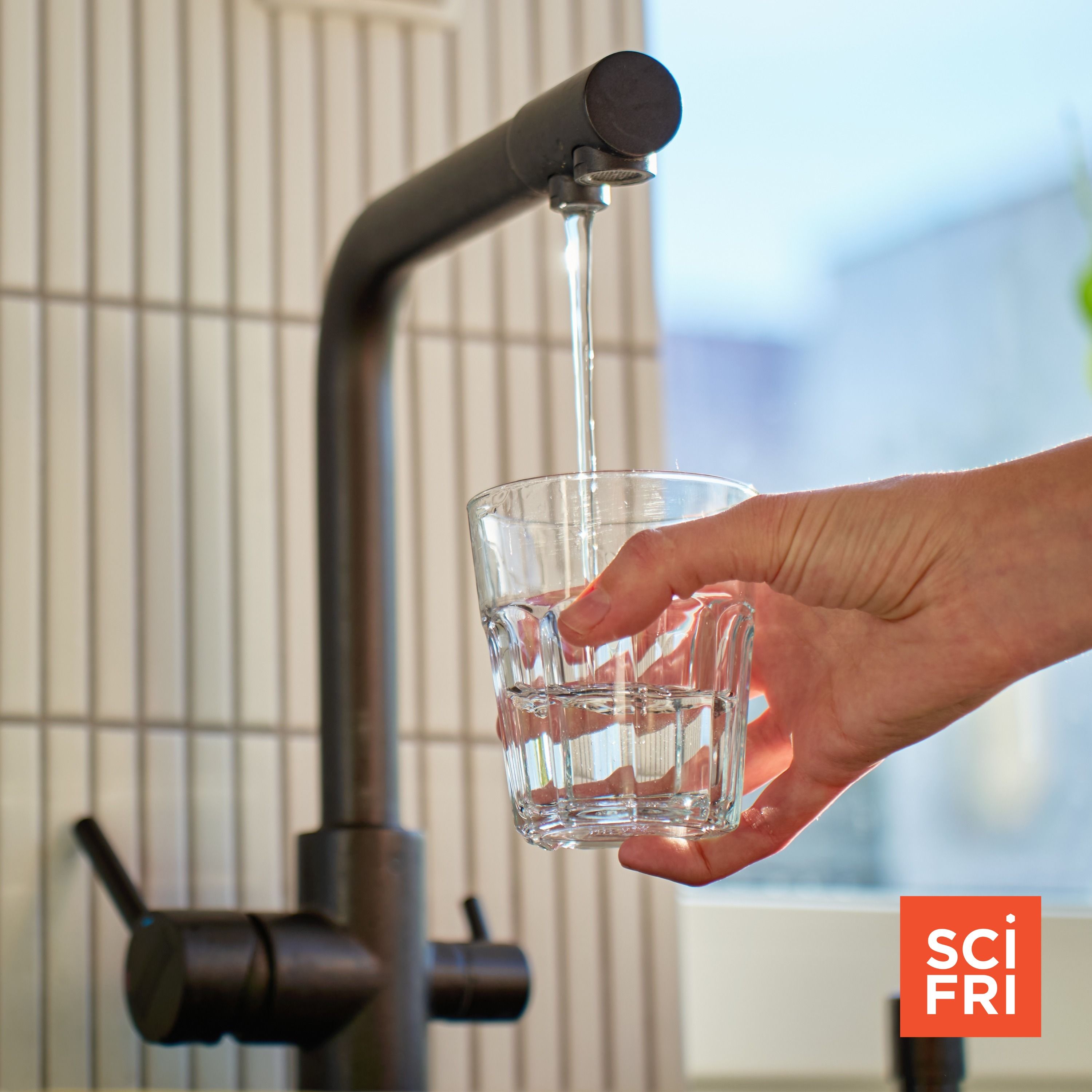
How New Jersey tamped down PFAS in drinking water
Nearly all Americans have some type of PFAS, commonly known as “forever chemicals,” in their blood. The chemicals, which are linked to numerous health issues, were first regulated in drinking water at the federal level two years ago (though some limits have been rolled back).
But, back in 2018, New Jersey became the first state to adopt its own drinking water standards for PFAS. Now, researchers at Rutgers University have crunched the data to see how well it worked. They found that levels of the regulated chemicals dropped by as much as 55%.
Host Ira Flatow talks with the lead author of the study, cancer epidemiologist Hari Iyer about the significance of his findings and his plans to study the possible link between PFAS and prostate cancer.
Want to filter PFAS from your tap at home? Learn more:
- Identifying Drinking Water Filters Certified to Reduce PFAS via EPA
- Home Water Treatment for PFAS via PennState Extension
Guest:
Dr. Hari Iyer is an assistant professor of cancer epidemiology and health outcomes at the Rutgers Cancer Institute of New Jersey.
Transcripts for each episode are available within 1-3 days at sciencefriday.com.
Subscribe to this podcast. Follow our show on Instagram, TikTok, Facebook, and Bluesky @scifri and sign up for our newsletters. Got a science question that’s keeping you up at night? Call us: 877-472-4374
Hosted by Simplecast, an AdsWizz company. See pcm.adswizz.com for information about our collection and use of personal data for advertising.
More description
Nearly all Americans have some type of PFAS, commonly known as “forever chemicals,” in their blood. The chemicals, which are linked to numerous health issues, were first regulated in drinking water at the federal level two years ago (though some limits have been rolled back).
But, back in 2018, New Jersey became the first state to adopt its own drinking water standards for PFAS. Now, researchers at Rutgers University have crunched the data to see how well it worked. They found that levels of the regulated chemicals dropped by as much as 55%.
Host Ira Flatow talks with the lead author of the study, cancer epidemiologist Hari Iyer about the significance of his findings and his plans to study the possible link between PFAS and prostate cancer.
Want to filter PFAS from your tap at home? Learn more:
- Identifying Drinking Water Filters Certified to Reduce PFAS via EPA
- Home Water Treatment for PFAS via PennState Extension
Guest:
Dr. Hari Iyer is an assistant professor of cancer epidemiology and health outcomes at the Rutgers Cancer Institute of New Jersey.
Transcripts for each episode are available within 1-3 days at sciencefriday.com.
Subscribe to this podcast. Follow our show on Instagram, TikTok, Facebook, and Bluesky @scifri and sign up for our newsletters. Got a science question that’s keeping you up at night? Call us: 877-472-4374
Hosted by Simplecast, an AdsWizz company. See pcm.adswizz.com for information about our collection and use of personal data for advertising.
Listen elsewhere
Available Results
Generated results are saved to your library for reuse and search.