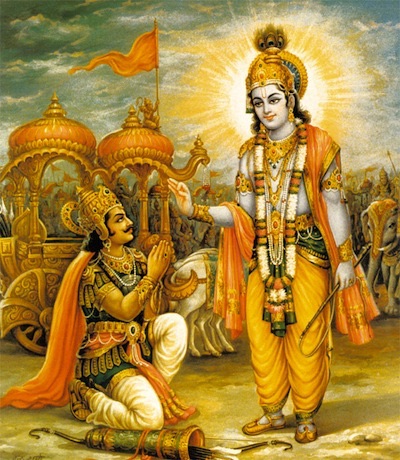
The Bhagavad Gita, is a manual of living that provides guidelines for attaining the heights of human excellence. The text contains the essence of the teachings of the ancient scientists of life - the Rishis. The wisdom of the Gita makes us not only wise but also enlightened human beings.
This podcast contains Bhagavadgita Discourse by Swami Nikhilananda of Chinmaya Mission. The discourses were given in English from March 2010 to December 2011 at Chinmaya Mission Delhi. Swamiji explains in simple English the very essence of Bhagavadgita lucidly. A born teacher, logical and systematic, he opens the doors for understanding the Truth, as it is, reaching seekers at their own levels.
More details
The Bhagavad Gita, is a manual of living that provides guidelines for attaining the heights of human excellence. The text contains the essence of the teachings of the ancient scientists of life - the Rishis. The wisdom of the Gita makes us not only wise but also enlightened human beings.
This podcast contains Bhagavadgita Discourse by Swami Nikhilananda of Chinmaya Mission. The discourses were given in English from March 2010 to December 2011 at Chinmaya Mission Delhi. Swamiji explains in simple English the very essence of Bhagavadgita lucidly. A born teacher, logical and systematic, he opens the doors for understanding the Truth, as it is, reaching seekers at their own levels.
Chapter 17 - On Faith: The different attitudes to faith and types of faith are explained. The science of sadhana or practise leading to Enlightenment is revealed.
More description
Chapter 17 - On Faith: The different attitudes to faith and types of faith are explained. The science of sadhana or practise leading to Enlightenment is revealed.
Chapter 17 - On Faith: The different attitudes to faith and types of faith are explained. The science of sadhana or practise leading to Enlightenment is revealed.
More description
Chapter 17 - On Faith: The different attitudes to faith and types of faith are explained. The science of sadhana or practise leading to Enlightenment is revealed.
Chapter 17 - On Faith: The different attitudes to faith and types of faith are explained. The science of sadhana or practise leading to Enlightenment is revealed.
More description
Chapter 17 - On Faith: The different attitudes to faith and types of faith are explained. The science of sadhana or practise leading to Enlightenment is revealed.
Chapter 17 - On Faith: The different attitudes to faith and types of faith are explained. The science of sadhana or practise leading to Enlightenment is revealed.
More description
Chapter 17 - On Faith: The different attitudes to faith and types of faith are explained. The science of sadhana or practise leading to Enlightenment is revealed.
Chapter 17 - On Faith: The different attitudes to faith and types of faith are explained. The science of sadhana or practise leading to Enlightenment is revealed.
More description
Chapter 17 - On Faith: The different attitudes to faith and types of faith are explained. The science of sadhana or practise leading to Enlightenment is revealed.
Chapter 16 - On Good and Evil: The positive and negative qualities of the mind are explained. The positive qualities need cultivation and the negative needs to be recognised and negated.
More description
Chapter 16 - On Good and Evil: The positive and negative qualities of the mind are explained. The positive qualities need cultivation and the negative needs to be recognised and negated.
Chapter 16 - On Good and Evil: The positive and negative qualities of the mind are explained. The positive qualities need cultivation and the negative needs to be recognised and negated.
More description
Chapter 16 - On Good and Evil: The positive and negative qualities of the mind are explained. The positive qualities need cultivation and the negative needs to be recognised and negated.
Chapter 16 - On Good and Evil: The positive and negative qualities of the mind are explained. The positive qualities need cultivation and the negative needs to be recognised and negated.
More description
Chapter 16 - On Good and Evil: The positive and negative qualities of the mind are explained. The positive qualities need cultivation and the negative needs to be recognised and negated.
Chapter 16 - On Good and Evil: The positive and negative qualities of the mind are explained. The positive qualities need cultivation and the negative needs to be recognised and negated.
More description
Chapter 16 - On Good and Evil: The positive and negative qualities of the mind are explained. The positive qualities need cultivation and the negative needs to be recognised and negated.
Chapter 16 - On Good and Evil: The positive and negative qualities of the mind are explained. The positive qualities need cultivation and the negative needs to be recognised and negated.
More description
Chapter 16 - On Good and Evil: The positive and negative qualities of the mind are explained. The positive qualities need cultivation and the negative needs to be recognised and negated.
Chapter 14 - Moods of the Mind: Sattva, Rajas and Tamas, the three-fold qualities of Prakriti seemingly bind the Purusha. The path to enlightenment is by transcending these qualities.
More description
Chapter 14 - Moods of the Mind: Sattva, Rajas and Tamas, the three-fold qualities of Prakriti seemingly bind the Purusha. The path to enlightenment is by transcending these qualities.
Chapter 14 - Moods of the Mind: Sattva, Rajas and Tamas, the three-fold qualities of Prakriti seemingly bind the Purusha. The path to enlightenment is by transcending these qualities.
More description
Chapter 14 - Moods of the Mind: Sattva, Rajas and Tamas, the three-fold qualities of Prakriti seemingly bind the Purusha. The path to enlightenment is by transcending these qualities.
Chapter 14 - Moods of the Mind: Sattva, Rajas and Tamas, the three-fold qualities of Prakriti seemingly bind the Purusha. The path to enlightenment is by transcending these qualities.
More description
Chapter 14 - Moods of the Mind: Sattva, Rajas and Tamas, the three-fold qualities of Prakriti seemingly bind the Purusha. The path to enlightenment is by transcending these qualities.
Chapter 14 - Moods of the Mind: Sattva, Rajas and Tamas, the three-fold qualities of Prakriti seemingly bind the Purusha. The path to enlightenment is by transcending these qualities.
More description
Chapter 14 - Moods of the Mind: Sattva, Rajas and Tamas, the three-fold qualities of Prakriti seemingly bind the Purusha. The path to enlightenment is by transcending these qualities.
Chapter 14 - Moods of the Mind: Sattva, Rajas and Tamas, the three-fold qualities of Prakriti seemingly bind the Purusha. The path to enlightenment is by transcending these qualities.
More description
Chapter 14 - Moods of the Mind: Sattva, Rajas and Tamas, the three-fold qualities of Prakriti seemingly bind the Purusha. The path to enlightenment is by transcending these qualities.
Chapter 14 - Moods of the Mind: Sattva, Rajas and Tamas, the three-fold qualities of Prakriti seemingly bind the Purusha. The path to enlightenment is by transcending these qualities.
More description
Chapter 14 - Moods of the Mind: Sattva, Rajas and Tamas, the three-fold qualities of Prakriti seemingly bind the Purusha. The path to enlightenment is by transcending these qualities.
Chapter 14 - Moods of the Mind: Sattva, Rajas and Tamas, the three-fold qualities of Prakriti seemingly bind the Purusha. The path to enlightenment is by transcending these qualities.
More description
Chapter 14 - Moods of the Mind: Sattva, Rajas and Tamas, the three-fold qualities of Prakriti seemingly bind the Purusha. The path to enlightenment is by transcending these qualities.
Chapter 13 - Nature of the Seer and the Seen: Purusha as the Seer and Prakriti as the seen are explained. The recognition of and abidance as the Seer is liberation.
More description
Chapter 13 - Nature of the Seer and the Seen: Purusha as the Seer and Prakriti as the seen are explained. The recognition of and abidance as the Seer is liberation.
Chapter 13 - Nature of the Seer and the Seen: Purusha as the Seer and Prakriti as the seen are explained. The recognition of and abidance as the Seer is liberation.
More description
Chapter 13 - Nature of the Seer and the Seen: Purusha as the Seer and Prakriti as the seen are explained. The recognition of and abidance as the Seer is liberation.
Chapter 13 - Nature of the Seer and the Seen: Purusha as the Seer and Prakriti as the seen are explained. The recognition of and abidance as the Seer is liberation.
More description
Chapter 13 - Nature of the Seer and the Seen: Purusha as the Seer and Prakriti as the seen are explained. The recognition of and abidance as the Seer is liberation.
Chapter 13 - Nature of the Seer and the Seen: Purusha as the Seer and Prakriti as the seen are explained. The recognition of and abidance as the Seer is liberation.
More description
Chapter 13 - Nature of the Seer and the Seen: Purusha as the Seer and Prakriti as the seen are explained. The recognition of and abidance as the Seer is liberation.
Chapter 13 - Nature of the Seer and the Seen: Purusha as the Seer and Prakriti as the seen are explained. The recognition of and abidance as the Seer is liberation.
More description
Chapter 13 - Nature of the Seer and the Seen: Purusha as the Seer and Prakriti as the seen are explained. The recognition of and abidance as the Seer is liberation.
Chapter 13 - Nature of the Seer and the Seen: Purusha as the Seer and Prakriti as the seen are explained. The recognition of and abidance as the Seer is liberation.
More description
Chapter 13 - Nature of the Seer and the Seen: Purusha as the Seer and Prakriti as the seen are explained. The recognition of and abidance as the Seer is liberation.
Chapter 13 - Nature of the Seer and the Seen: Purusha as the Seer and Prakriti as the seen are explained. The recognition of and abidance as the Seer is liberation.
More description
Chapter 13 - Nature of the Seer and the Seen: Purusha as the Seer and Prakriti as the seen are explained. The recognition of and abidance as the Seer is liberation.