Search this show’s transcripts

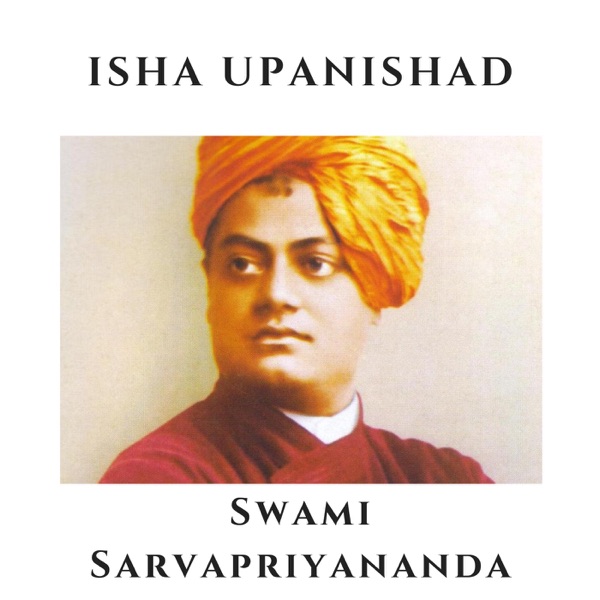
Isha Upanishad - Swami Sarvapriyananda

en us
The Isha Upanishad (Sanskrit: ईशोपनिषद्, IAST: Īśopaniṣad), also known as Shri Ishopanishad, Ishavasya Upanishad, or Vajasaneyi Samhita Upanishad, is one of the shortest Upanishads, embedded as the final chapter (adhyāya) of the Shukla Yajurveda. It is a Mukhya (primary, principal) Upanishad, and is known in two recensions, called Kanva (VSK) and Madhyandina (VSM). The Upanishad is a brief poem, consisting of 17 or 18 verses, depending on the recension.
More details
The Isha Upanishad (Sanskrit: ईशोपनिषद्, IAST: Īśopaniṣad), also known as Shri Ishopanishad, Ishavasya Upanishad, or Vajasaneyi Samhita Upanishad, is one of the shortest Upanishads, embedded as the final chapter (adhyāya) of the Shukla Yajurveda. It is a Mukhya (primary, principal) Upanishad, and is known in two recensions, called Kanva (VSK) and Madhyandina (VSM). The Upanishad is a brief poem, consisting of 17 or 18 verses, depending on the recension.
Sources and links

Episodes

Published 2026-01-06

Isha Upanishad | Mantras 17 - 18 | Swami Sarvapriyananda

61 min Transcript
View

The Isha Upanishad (Sanskrit: ईशोपनिषद्, IAST: Īśopaniṣad), also known as Shri Ishopanishad, Ishavasya Upanishad, or Vajasaneyi Samhita Upanishad, is one of the shortest Upanishads, embedded as the final chapter (adhyāya) of the Shukla Yajurveda. It is a Mukhya (primary, principal) Upanishad, and is known in two recensions, called Kanva (VSK) and Madhyandina (VSM). The Upanishad is a brief poem, consisting of 17 or 18 verses, depending on the recension.


It is a key scripture of the Vedanta sub-schools, and an influential Śruti to diverse schools of Hinduism. It is the 40th chapter of Yajurveda. The name of the text derives from its incipit, īśā vāsyam, "enveloped by the Lord", or "hidden in the Lord (Self)". The text discusses the Atman (Self) theory of Hinduism, and is referenced by both Dvaita (dualism) and Advaita (non-dualism) sub-schools of Vedanta.


It is classified as a "poetic Upanishad" along with Kena, Katha, Svetasvatara and Mundaka by Paul Deussen (1908).


Reference book:

1. Eight Upanisads Vol. 2 translated by Swami Gambhirananda - https://www.vedanta.com/store/Eight-U...


► To support the Vedanta Society of New York: http://www.vedantany.org/donate


Vedanta NY Archives:    / vedantanewyorkarchives  

Web: http://vedantany.org

Soundcloud:   / vedantany  

iTunes Podcast: http://bit.ly/vedanta-talks-itunes

Spotify: https://open.spotify.com/show/5IrDmqX...

Facebook:   / vedantany  


ABOUT VEDANTA

Vedanta is one of the world’s most ancient religious philosophies and one of its broadest. Based on the Vedas, the sacred scriptures of India, Vedanta affirms the oneness of existence, the divinity of the soul, and the harmony of religions.


ABOUT US

Vedanta Society of New York is affiliated with the Ramakrishna Order of India. In fact, this is the Order's first Center started by Swami Vivekananda, in 1894. It was a historic event, for the seed of the world-wide Ramakrishna Movement was sown here in New York over a century ago. Swami Sarvapriyananda is the present Resident Minister and Spiritual Leader of the Vedanta Society of New York.

More description

The Isha Upanishad (Sanskrit: ईशोपनिषद्, IAST: Īśopaniṣad), also known as Shri Ishopanishad, Ishavasya Upanishad, or Vajasaneyi Samhita Upanishad, is one of the shortest Upanishads, embedded as the final chapter (adhyāya) of the Shukla Yajurveda. It is a Mukhya (primary, principal) Upanishad, and is known in two recensions, called Kanva (VSK) and Madhyandina (VSM). The Upanishad is a brief poem, consisting of 17 or 18 verses, depending on the recension.


It is a key scripture of the Vedanta sub-schools, and an influential Śruti to diverse schools of Hinduism. It is the 40th chapter of Yajurveda. The name of the text derives from its incipit, īśā vāsyam, "enveloped by the Lord", or "hidden in the Lord (Self)". The text discusses the Atman (Self) theory of Hinduism, and is referenced by both Dvaita (dualism) and Advaita (non-dualism) sub-schools of Vedanta.


It is classified as a "poetic Upanishad" along with Kena, Katha, Svetasvatara and Mundaka by Paul Deussen (1908).


Reference book:

1. Eight Upanisads Vol. 2 translated by Swami Gambhirananda - https://www.vedanta.com/store/Eight-U...


► To support the Vedanta Society of New York: http://www.vedantany.org/donate


Vedanta NY Archives:    / vedantanewyorkarchives  

Web: http://vedantany.org

Soundcloud:   / vedantany  

iTunes Podcast: http://bit.ly/vedanta-talks-itunes

Spotify: https://open.spotify.com/show/5IrDmqX...

Facebook:   / vedantany  


ABOUT VEDANTA

Vedanta is one of the world’s most ancient religious philosophies and one of its broadest. Based on the Vedas, the sacred scriptures of India, Vedanta affirms the oneness of existence, the divinity of the soul, and the harmony of religions.


ABOUT US

Vedanta Society of New York is affiliated with the Ramakrishna Order of India. In fact, this is the Order's first Center started by Swami Vivekananda, in 1894. It was a historic event, for the seed of the world-wide Ramakrishna Movement was sown here in New York over a century ago. Swami Sarvapriyananda is the present Resident Minister and Spiritual Leader of the Vedanta Society of New York.

Extract Knowledge
Listen elsewhere

The Isha Upanishad (Sanskrit: ईशोपनिषद्, IAST: Īśopaniṣad), also known as Shri Ishopanishad, Ishavasya Upanishad, or Vajasaneyi Samhita Upanishad, is one of the shortest Upanishads, embedded as the final chapter (adhyāya) of the Shukla Yajurveda. It is a Mukhya (primary, principal) Upanishad, and is known in two recensions, called Kanva (VSK) and Madhyandina (VSM). The Upanishad is a brief poem, consisting of 17 or 18 verses, depending on the recension.


It is a key scripture of the Vedanta sub-schools, and an influential Śruti to diverse schools of Hinduism. It is the 40th chapter of Yajurveda. The name of the text derives from its incipit, īśā vāsyam, "enveloped by the Lord", or "hidden in the Lord (Self)". The text discusses the Atman (Self) theory of Hinduism, and is referenced by both Dvaita (dualism) and Advaita (non-dualism) sub-schools of Vedanta.


It is classified as a "poetic Upanishad" along with Kena, Katha, Svetasvatara and Mundaka by Paul Deussen (1908).


Reference book:

1. Eight Upanisads Vol. 2 translated by Swami Gambhirananda - https://www.vedanta.com/store/Eight-U...


► To support the Vedanta Society of New York: http://www.vedantany.org/donate


Vedanta NY Archives:    / vedantanewyorkarchives  

Web: http://vedantany.org

Soundcloud:   / vedantany  

iTunes Podcast: http://bit.ly/vedanta-talks-itunes

Spotify: https://open.spotify.com/show/5IrDmqX...

Facebook:   / vedantany  


ABOUT VEDANTA

Vedanta is one of the world’s most ancient religious philosophies and one of its broadest. Based on the Vedas, the sacred scriptures of India, Vedanta affirms the oneness of existence, the divinity of the soul, and the harmony of religions.


ABOUT US

Vedanta Society of New York is affiliated with the Ramakrishna Order of India. In fact, this is the Order's first Center started by Swami Vivekananda, in 1894. It was a historic event, for the seed of the world-wide Ramakrishna Movement was sown here in New York over a century ago. Swami Sarvapriyananda is the present Resident Minister and Spiritual Leader of the Vedanta Society of New York.

More description

The Isha Upanishad (Sanskrit: ईशोपनिषद्, IAST: Īśopaniṣad), also known as Shri Ishopanishad, Ishavasya Upanishad, or Vajasaneyi Samhita Upanishad, is one of the shortest Upanishads, embedded as the final chapter (adhyāya) of the Shukla Yajurveda. It is a Mukhya (primary, principal) Upanishad, and is known in two recensions, called Kanva (VSK) and Madhyandina (VSM). The Upanishad is a brief poem, consisting of 17 or 18 verses, depending on the recension.


It is a key scripture of the Vedanta sub-schools, and an influential Śruti to diverse schools of Hinduism. It is the 40th chapter of Yajurveda. The name of the text derives from its incipit, īśā vāsyam, "enveloped by the Lord", or "hidden in the Lord (Self)". The text discusses the Atman (Self) theory of Hinduism, and is referenced by both Dvaita (dualism) and Advaita (non-dualism) sub-schools of Vedanta.


It is classified as a "poetic Upanishad" along with Kena, Katha, Svetasvatara and Mundaka by Paul Deussen (1908).


Reference book:

1. Eight Upanisads Vol. 2 translated by Swami Gambhirananda - https://www.vedanta.com/store/Eight-U...


► To support the Vedanta Society of New York: http://www.vedantany.org/donate


Vedanta NY Archives:    / vedantanewyorkarchives  

Web: http://vedantany.org

Soundcloud:   / vedantany  

iTunes Podcast: http://bit.ly/vedanta-talks-itunes

Spotify: https://open.spotify.com/show/5IrDmqX...

Facebook:   / vedantany  


ABOUT VEDANTA

Vedanta is one of the world’s most ancient religious philosophies and one of its broadest. Based on the Vedas, the sacred scriptures of India, Vedanta affirms the oneness of existence, the divinity of the soul, and the harmony of religions.


ABOUT US

Vedanta Society of New York is affiliated with the Ramakrishna Order of India. In fact, this is the Order's first Center started by Swami Vivekananda, in 1894. It was a historic event, for the seed of the world-wide Ramakrishna Movement was sown here in New York over a century ago. Swami Sarvapriyananda is the present Resident Minister and Spiritual Leader of the Vedanta Society of New York.

Extract Knowledge
Listen elsewhere

Jun 16, 2025

The Isha Upanishad (Sanskrit: ईशोपनिषद्, IAST: Īśopaniṣad), also known as Shri Ishopanishad, Ishavasya Upanishad, or Vajasaneyi Samhita Upanishad, is one of the shortest Upanishads, embedded as the final chapter (adhyāya) of the Shukla Yajurveda. It is a Mukhya (primary, principal) Upanishad, and is known in two recensions, called Kanva (VSK) and Madhyandina (VSM). The Upanishad is a brief poem, consisting of 17 or 18 verses, depending on the recension.


It is a key scripture of the Vedanta sub-schools, and an influential Śruti to diverse schools of Hinduism. It is the 40th chapter of Yajurveda. The name of the text derives from its incipit, īśā vāsyam, "enveloped by the Lord", or "hidden in the Lord (Self)". The text discusses the Atman (Self) theory of Hinduism, and is referenced by both Dvaita (dualism) and Advaita (non-dualism) sub-schools of Vedanta.


It is classified as a "poetic Upanishad" along with Kena, Katha, Svetasvatara and Mundaka by Paul Deussen (1908).


Reference book:

1. Eight Upanisads Vol. 2 translated by Swami Gambhirananda - https://www.vedanta.com/store/Eight-U...

More description

Jun 16, 2025

The Isha Upanishad (Sanskrit: ईशोपनिषद्, IAST: Īśopaniṣad), also known as Shri Ishopanishad, Ishavasya Upanishad, or Vajasaneyi Samhita Upanishad, is one of the shortest Upanishads, embedded as the final chapter (adhyāya) of the Shukla Yajurveda. It is a Mukhya (primary, principal) Upanishad, and is known in two recensions, called Kanva (VSK) and Madhyandina (VSM). The Upanishad is a brief poem, consisting of 17 or 18 verses, depending on the recension.


It is a key scripture of the Vedanta sub-schools, and an influential Śruti to diverse schools of Hinduism. It is the 40th chapter of Yajurveda. The name of the text derives from its incipit, īśā vāsyam, "enveloped by the Lord", or "hidden in the Lord (Self)". The text discusses the Atman (Self) theory of Hinduism, and is referenced by both Dvaita (dualism) and Advaita (non-dualism) sub-schools of Vedanta.


It is classified as a "poetic Upanishad" along with Kena, Katha, Svetasvatara and Mundaka by Paul Deussen (1908).


Reference book:

1. Eight Upanisads Vol. 2 translated by Swami Gambhirananda - https://www.vedanta.com/store/Eight-U...

Extract Knowledge
Listen elsewhere

4,935 views Jun 8, 2025

The Isha Upanishad (Sanskrit: ईशोपनिषद्, IAST: Īśopaniṣad), also known as Shri Ishopanishad, Ishavasya Upanishad, or Vajasaneyi Samhita Upanishad, is one of the shortest Upanishads, embedded as the final chapter (adhyāya) of the Shukla Yajurveda. It is a Mukhya (primary, principal) Upanishad, and is known in two recensions, called Kanva (VSK) and Madhyandina (VSM). The Upanishad is a brief poem, consisting of 17 or 18 verses, depending on the recension.


It is a key scripture of the Vedanta sub-schools, and an influential Śruti to diverse schools of Hinduism. It is the 40th chapter of Yajurveda. The name of the text derives from its incipit, īśā vāsyam, "enveloped by the Lord", or "hidden in the Lord (Self)". The text discusses the Atman (Self) theory of Hinduism, and is referenced by both Dvaita (dualism) and Advaita (non-dualism) sub-schools of Vedanta.


It is classified as a "poetic Upanishad" along with Kena, Katha, Svetasvatara and Mundaka by Paul Deussen (1908).


Reference book:

1. Eight Upanisads Vol. 2 translated by Swami Gambhirananda - https://www.vedanta.com/store/Eight-U...

More description

4,935 views Jun 8, 2025

The Isha Upanishad (Sanskrit: ईशोपनिषद्, IAST: Īśopaniṣad), also known as Shri Ishopanishad, Ishavasya Upanishad, or Vajasaneyi Samhita Upanishad, is one of the shortest Upanishads, embedded as the final chapter (adhyāya) of the Shukla Yajurveda. It is a Mukhya (primary, principal) Upanishad, and is known in two recensions, called Kanva (VSK) and Madhyandina (VSM). The Upanishad is a brief poem, consisting of 17 or 18 verses, depending on the recension.


It is a key scripture of the Vedanta sub-schools, and an influential Śruti to diverse schools of Hinduism. It is the 40th chapter of Yajurveda. The name of the text derives from its incipit, īśā vāsyam, "enveloped by the Lord", or "hidden in the Lord (Self)". The text discusses the Atman (Self) theory of Hinduism, and is referenced by both Dvaita (dualism) and Advaita (non-dualism) sub-schools of Vedanta.


It is classified as a "poetic Upanishad" along with Kena, Katha, Svetasvatara and Mundaka by Paul Deussen (1908).


Reference book:

1. Eight Upanisads Vol. 2 translated by Swami Gambhirananda - https://www.vedanta.com/store/Eight-U...

Extract Knowledge
Listen elsewhere

2,328 views May 25, 2025

The Isha Upanishad (Sanskrit: ईशोपनिषद्, IAST: Īśopaniṣad), also known as Shri Ishopanishad, Ishavasya Upanishad, or Vajasaneyi Samhita Upanishad, is one of the shortest Upanishads, embedded as the final chapter (adhyāya) of the Shukla Yajurveda. It is a Mukhya (primary, principal) Upanishad, and is known in two recensions, called Kanva (VSK) and Madhyandina (VSM). The Upanishad is a brief poem, consisting of 17 or 18 verses, depending on the recension.


It is a key scripture of the Vedanta sub-schools, and an influential Śruti to diverse schools of Hinduism. It is the 40th chapter of Yajurveda. The name of the text derives from its incipit, īśā vāsyam, "enveloped by the Lord", or "hidden in the Lord (Self)". The text discusses the Atman (Self) theory of Hinduism, and is referenced by both Dvaita (dualism) and Advaita (non-dualism) sub-schools of Vedanta.


It is classified as a "poetic Upanishad" along with Kena, Katha, Svetasvatara and Mundaka by Paul Deussen (1908).


Reference book:

1. Eight Upanisads Vol. 2 translated by Swami Gambhirananda - https://www.vedanta.com/store/Eight-U...

More description

2,328 views May 25, 2025

The Isha Upanishad (Sanskrit: ईशोपनिषद्, IAST: Īśopaniṣad), also known as Shri Ishopanishad, Ishavasya Upanishad, or Vajasaneyi Samhita Upanishad, is one of the shortest Upanishads, embedded as the final chapter (adhyāya) of the Shukla Yajurveda. It is a Mukhya (primary, principal) Upanishad, and is known in two recensions, called Kanva (VSK) and Madhyandina (VSM). The Upanishad is a brief poem, consisting of 17 or 18 verses, depending on the recension.


It is a key scripture of the Vedanta sub-schools, and an influential Śruti to diverse schools of Hinduism. It is the 40th chapter of Yajurveda. The name of the text derives from its incipit, īśā vāsyam, "enveloped by the Lord", or "hidden in the Lord (Self)". The text discusses the Atman (Self) theory of Hinduism, and is referenced by both Dvaita (dualism) and Advaita (non-dualism) sub-schools of Vedanta.


It is classified as a "poetic Upanishad" along with Kena, Katha, Svetasvatara and Mundaka by Paul Deussen (1908).


Reference book:

1. Eight Upanisads Vol. 2 translated by Swami Gambhirananda - https://www.vedanta.com/store/Eight-U...

Extract Knowledge
Listen elsewhere


6,431 views May 18, 2025

The Isha Upanishad (Sanskrit: ईशोपनिषद्, IAST: Īśopaniṣad), also known as Shri Ishopanishad, Ishavasya Upanishad, or Vajasaneyi Samhita Upanishad, is one of the shortest Upanishads, embedded as the final chapter (adhyāya) of the Shukla Yajurveda. It is a Mukhya (primary, principal) Upanishad, and is known in two recensions, called Kanva (VSK) and Madhyandina (VSM). The Upanishad is a brief poem, consisting of 17 or 18 verses, depending on the recension.


It is a key scripture of the Vedanta sub-schools, and an influential Śruti to diverse schools of Hinduism. It is the 40th chapter of Yajurveda. The name of the text derives from its incipit, īśā vāsyam, "enveloped by the Lord", or "hidden in the Lord (Self)". The text discusses the Atman (Self) theory of Hinduism, and is referenced by both Dvaita (dualism) and Advaita (non-dualism) sub-schools of Vedanta.


It is classified as a "poetic Upanishad" along with Kena, Katha, Svetasvatara and Mundaka by Paul Deussen (1908).


Reference book:

1. Eight Upanisads Vol. 2 translated by Swami Gambhirananda - https://www.vedanta.com/store/Eight-U...

More description


6,431 views May 18, 2025

The Isha Upanishad (Sanskrit: ईशोपनिषद्, IAST: Īśopaniṣad), also known as Shri Ishopanishad, Ishavasya Upanishad, or Vajasaneyi Samhita Upanishad, is one of the shortest Upanishads, embedded as the final chapter (adhyāya) of the Shukla Yajurveda. It is a Mukhya (primary, principal) Upanishad, and is known in two recensions, called Kanva (VSK) and Madhyandina (VSM). The Upanishad is a brief poem, consisting of 17 or 18 verses, depending on the recension.


It is a key scripture of the Vedanta sub-schools, and an influential Śruti to diverse schools of Hinduism. It is the 40th chapter of Yajurveda. The name of the text derives from its incipit, īśā vāsyam, "enveloped by the Lord", or "hidden in the Lord (Self)". The text discusses the Atman (Self) theory of Hinduism, and is referenced by both Dvaita (dualism) and Advaita (non-dualism) sub-schools of Vedanta.


It is classified as a "poetic Upanishad" along with Kena, Katha, Svetasvatara and Mundaka by Paul Deussen (1908).


Reference book:

1. Eight Upanisads Vol. 2 translated by Swami Gambhirananda - https://www.vedanta.com/store/Eight-U...

Extract Knowledge
Listen elsewhere

The Isha Upanishad (Sanskrit: ईशोपनिषद्, IAST: Īśopaniṣad), also known as Shri Ishopanishad, Ishavasya Upanishad, or Vajasaneyi Samhita Upanishad, is one of the shortest Upanishads, embedded as the final chapter (adhyāya) of the Shukla Yajurveda. It is a Mukhya (primary, principal) Upanishad, and is known in two recensions, called Kanva (VSK) and Madhyandina (VSM). The Upanishad is a brief poem, consisting of 17 or 18 verses, depending on the recension.


It is a key scripture of the Vedanta sub-schools, and an influential Śruti to diverse schools of Hinduism. It is the 40th chapter of Yajurveda. The name of the text derives from its incipit, īśā vāsyam, "enveloped by the Lord", or "hidden in the Lord (Self)". The text discusses the Atman (Self) theory of Hinduism, and is referenced by both Dvaita (dualism) and Advaita (non-dualism) sub-schools of Vedanta.


It is classified as a "poetic Upanishad" along with Kena, Katha, Svetasvatara and Mundaka by Paul Deussen (1908).


Reference book:

1. Eight Upanisads Vol. 2 translated by Swami Gambhirananda - https://www.vedanta.com/store/Eight-U...

More description

The Isha Upanishad (Sanskrit: ईशोपनिषद्, IAST: Īśopaniṣad), also known as Shri Ishopanishad, Ishavasya Upanishad, or Vajasaneyi Samhita Upanishad, is one of the shortest Upanishads, embedded as the final chapter (adhyāya) of the Shukla Yajurveda. It is a Mukhya (primary, principal) Upanishad, and is known in two recensions, called Kanva (VSK) and Madhyandina (VSM). The Upanishad is a brief poem, consisting of 17 or 18 verses, depending on the recension.


It is a key scripture of the Vedanta sub-schools, and an influential Śruti to diverse schools of Hinduism. It is the 40th chapter of Yajurveda. The name of the text derives from its incipit, īśā vāsyam, "enveloped by the Lord", or "hidden in the Lord (Self)". The text discusses the Atman (Self) theory of Hinduism, and is referenced by both Dvaita (dualism) and Advaita (non-dualism) sub-schools of Vedanta.


It is classified as a "poetic Upanishad" along with Kena, Katha, Svetasvatara and Mundaka by Paul Deussen (1908).


Reference book:

1. Eight Upanisads Vol. 2 translated by Swami Gambhirananda - https://www.vedanta.com/store/Eight-U...

Extract Knowledge
Listen elsewhere

The Isha Upanishad (Sanskrit: ईशोपनिषद्, IAST: Īśopaniṣad), also known as Shri Ishopanishad, Ishavasya Upanishad, or Vajasaneyi Samhita Upanishad, is one of the shortest Upanishads, embedded as the final chapter (adhyāya) of the Shukla Yajurveda. It is a Mukhya (primary, principal) Upanishad, and is known in two recensions, called Kanva (VSK) and Madhyandina (VSM). The Upanishad is a brief poem, consisting of 17 or 18 verses, depending on the recension.


It is a key scripture of the Vedanta sub-schools, and an influential Śruti to diverse schools of Hinduism. It is the 40th chapter of Yajurveda. The name of the text derives from its incipit, īśā vāsyam, "enveloped by the Lord", or "hidden in the Lord (Self)". The text discusses the Atman (Self) theory of Hinduism, and is referenced by both Dvaita (dualism) and Advaita (non-dualism) sub-schools of Vedanta.


It is classified as a "poetic Upanishad" along with Kena, Katha, Svetasvatara and Mundaka by Paul Deussen (1908).


Reference book:

1. Eight Upanisads Vol. 2 translated by Swami Gambhirananda - https://www.vedanta.com/store/Eight-U...

More description

The Isha Upanishad (Sanskrit: ईशोपनिषद्, IAST: Īśopaniṣad), also known as Shri Ishopanishad, Ishavasya Upanishad, or Vajasaneyi Samhita Upanishad, is one of the shortest Upanishads, embedded as the final chapter (adhyāya) of the Shukla Yajurveda. It is a Mukhya (primary, principal) Upanishad, and is known in two recensions, called Kanva (VSK) and Madhyandina (VSM). The Upanishad is a brief poem, consisting of 17 or 18 verses, depending on the recension.


It is a key scripture of the Vedanta sub-schools, and an influential Śruti to diverse schools of Hinduism. It is the 40th chapter of Yajurveda. The name of the text derives from its incipit, īśā vāsyam, "enveloped by the Lord", or "hidden in the Lord (Self)". The text discusses the Atman (Self) theory of Hinduism, and is referenced by both Dvaita (dualism) and Advaita (non-dualism) sub-schools of Vedanta.


It is classified as a "poetic Upanishad" along with Kena, Katha, Svetasvatara and Mundaka by Paul Deussen (1908).


Reference book:

1. Eight Upanisads Vol. 2 translated by Swami Gambhirananda - https://www.vedanta.com/store/Eight-U...

Extract Knowledge
Listen elsewhere

The Isha Upanishad (Sanskrit: ईशोपनिषद्, IAST: Īśopaniṣad), also known as Shri Ishopanishad, Ishavasya Upanishad, or Vajasaneyi Samhita Upanishad, is one of the shortest Upanishads, embedded as the final chapter (adhyāya) of the Shukla Yajurveda. It is a Mukhya (primary, principal) Upanishad, and is known in two recensions, called Kanva (VSK) and Madhyandina (VSM). The Upanishad is a brief poem, consisting of 17 or 18 verses, depending on the recension.


It is a key scripture of the Vedanta sub-schools, and an influential Śruti to diverse schools of Hinduism. It is the 40th chapter of Yajurveda. The name of the text derives from its incipit, īśā vāsyam, "enveloped by the Lord", or "hidden in the Lord (Self)". The text discusses the Atman (Self) theory of Hinduism, and is referenced by both Dvaita (dualism) and Advaita (non-dualism) sub-schools of Vedanta.


It is classified as a "poetic Upanishad" along with Kena, Katha, Svetasvatara and Mundaka by Paul Deussen (1908).


Reference book:

1. Eight Upanisads Vol. 2 translated by Swami Gambhirananda - https://www.vedanta.com/store/Eight-U...


More description

The Isha Upanishad (Sanskrit: ईशोपनिषद्, IAST: Īśopaniṣad), also known as Shri Ishopanishad, Ishavasya Upanishad, or Vajasaneyi Samhita Upanishad, is one of the shortest Upanishads, embedded as the final chapter (adhyāya) of the Shukla Yajurveda. It is a Mukhya (primary, principal) Upanishad, and is known in two recensions, called Kanva (VSK) and Madhyandina (VSM). The Upanishad is a brief poem, consisting of 17 or 18 verses, depending on the recension.


It is a key scripture of the Vedanta sub-schools, and an influential Śruti to diverse schools of Hinduism. It is the 40th chapter of Yajurveda. The name of the text derives from its incipit, īśā vāsyam, "enveloped by the Lord", or "hidden in the Lord (Self)". The text discusses the Atman (Self) theory of Hinduism, and is referenced by both Dvaita (dualism) and Advaita (non-dualism) sub-schools of Vedanta.


It is classified as a "poetic Upanishad" along with Kena, Katha, Svetasvatara and Mundaka by Paul Deussen (1908).


Reference book:

1. Eight Upanisads Vol. 2 translated by Swami Gambhirananda - https://www.vedanta.com/store/Eight-U...


Extract Knowledge
Listen elsewhere

The Isha Upanishad (Sanskrit: ईशोपनिषद्, IAST: Īśopaniṣad), also known as Shri Ishopanishad, Ishavasya Upanishad, or Vajasaneyi Samhita Upanishad, is one of the shortest Upanishads, embedded as the final chapter (adhyāya) of the Shukla Yajurveda. It is a Mukhya (primary, principal) Upanishad, and is known in two recensions, called Kanva (VSK) and Madhyandina (VSM). The Upanishad is a brief poem, consisting of 17 or 18 verses, depending on the recension.


It is a key scripture of the Vedanta sub-schools, and an influential Śruti to diverse schools of Hinduism. It is the 40th chapter of Yajurveda. The name of the text derives from its incipit, īśā vāsyam, "enveloped by the Lord", or "hidden in the Lord (Self)". The text discusses the Atman (Self) theory of Hinduism, and is referenced by both Dvaita (dualism) and Advaita (non-dualism) sub-schools of Vedanta.


It is classified as a "poetic Upanishad" along with Kena, Katha, Svetasvatara and Mundaka by Paul Deussen (1908).


Reference book:

1. Eight Upanisads Vol. 2 translated by Swami Gambhirananda - https://www.vedanta.com/store/Eight-U...


More description

The Isha Upanishad (Sanskrit: ईशोपनिषद्, IAST: Īśopaniṣad), also known as Shri Ishopanishad, Ishavasya Upanishad, or Vajasaneyi Samhita Upanishad, is one of the shortest Upanishads, embedded as the final chapter (adhyāya) of the Shukla Yajurveda. It is a Mukhya (primary, principal) Upanishad, and is known in two recensions, called Kanva (VSK) and Madhyandina (VSM). The Upanishad is a brief poem, consisting of 17 or 18 verses, depending on the recension.


It is a key scripture of the Vedanta sub-schools, and an influential Śruti to diverse schools of Hinduism. It is the 40th chapter of Yajurveda. The name of the text derives from its incipit, īśā vāsyam, "enveloped by the Lord", or "hidden in the Lord (Self)". The text discusses the Atman (Self) theory of Hinduism, and is referenced by both Dvaita (dualism) and Advaita (non-dualism) sub-schools of Vedanta.


It is classified as a "poetic Upanishad" along with Kena, Katha, Svetasvatara and Mundaka by Paul Deussen (1908).


Reference book:

1. Eight Upanisads Vol. 2 translated by Swami Gambhirananda - https://www.vedanta.com/store/Eight-U...


Extract Knowledge
Listen elsewhere

The Isha Upanishad (Sanskrit: ईशोपनिषद्, IAST: Īśopaniṣad), also known as Shri Ishopanishad, Ishavasya Upanishad, or Vajasaneyi Samhita Upanishad, is one of the shortest Upanishads, embedded as the final chapter (adhyāya) of the Shukla Yajurveda. It is a Mukhya (primary, principal) Upanishad, and is known in two recensions, called Kanva (VSK) and Madhyandina (VSM). The Upanishad is a brief poem, consisting of 17 or 18 verses, depending on the recension.


It is a key scripture of the Vedanta sub-schools, and an influential Śruti to diverse schools of Hinduism. It is the 40th chapter of Yajurveda. The name of the text derives from its incipit, īśā vāsyam, "enveloped by the Lord", or "hidden in the Lord (Self)". The text discusses the Atman (Self) theory of Hinduism, and is referenced by both Dvaita (dualism) and Advaita (non-dualism) sub-schools of Vedanta.


It is classified as a "poetic Upanishad" along with Kena, Katha, Svetasvatara and Mundaka by Paul Deussen (1908).


Reference book:

1. Eight Upanisads Vol. 2 translated by Swami Gambhirananda - https://www.vedanta.com/store/Eight-U...


More description

The Isha Upanishad (Sanskrit: ईशोपनिषद्, IAST: Īśopaniṣad), also known as Shri Ishopanishad, Ishavasya Upanishad, or Vajasaneyi Samhita Upanishad, is one of the shortest Upanishads, embedded as the final chapter (adhyāya) of the Shukla Yajurveda. It is a Mukhya (primary, principal) Upanishad, and is known in two recensions, called Kanva (VSK) and Madhyandina (VSM). The Upanishad is a brief poem, consisting of 17 or 18 verses, depending on the recension.


It is a key scripture of the Vedanta sub-schools, and an influential Śruti to diverse schools of Hinduism. It is the 40th chapter of Yajurveda. The name of the text derives from its incipit, īśā vāsyam, "enveloped by the Lord", or "hidden in the Lord (Self)". The text discusses the Atman (Self) theory of Hinduism, and is referenced by both Dvaita (dualism) and Advaita (non-dualism) sub-schools of Vedanta.


It is classified as a "poetic Upanishad" along with Kena, Katha, Svetasvatara and Mundaka by Paul Deussen (1908).


Reference book:

1. Eight Upanisads Vol. 2 translated by Swami Gambhirananda - https://www.vedanta.com/store/Eight-U...


Extract Knowledge
Listen elsewhere

The Isha Upanishad (Sanskrit: ईशोपनिषद्, IAST: Īśopaniṣad), also known as Shri Ishopanishad, Ishavasya Upanishad, or Vajasaneyi Samhita Upanishad, is one of the shortest Upanishads, embedded as the final chapter (adhyāya) of the Shukla Yajurveda. It is a Mukhya (primary, principal) Upanishad, and is known in two recensions, called Kanva (VSK) and Madhyandina (VSM). The Upanishad is a brief poem, consisting of 17 or 18 verses, depending on the recension.

It is classified as a "poetic Upanishad" along with Kena, Katha, Svetasvatara and Mundaka by Paul Deussen (1908).

► To support the Vedanta Society of New York: http://www.vedantany.org/donate

Web: http://vedantany.org

iTunes Podcast: http://bit.ly/vedanta-talks-itunes

Spotify: https://open.spotify.com/show/5IrDmqXhiGwwyQcIUjRhtB


More description

The Isha Upanishad (Sanskrit: ईशोपनिषद्, IAST: Īśopaniṣad), also known as Shri Ishopanishad, Ishavasya Upanishad, or Vajasaneyi Samhita Upanishad, is one of the shortest Upanishads, embedded as the final chapter (adhyāya) of the Shukla Yajurveda. It is a Mukhya (primary, principal) Upanishad, and is known in two recensions, called Kanva (VSK) and Madhyandina (VSM). The Upanishad is a brief poem, consisting of 17 or 18 verses, depending on the recension.

It is classified as a "poetic Upanishad" along with Kena, Katha, Svetasvatara and Mundaka by Paul Deussen (1908).

► To support the Vedanta Society of New York: http://www.vedantany.org/donate

Web: http://vedantany.org

iTunes Podcast: http://bit.ly/vedanta-talks-itunes

Spotify: https://open.spotify.com/show/5IrDmqXhiGwwyQcIUjRhtB


Extract Knowledge
Listen elsewhere
Show details
Episodes
12
Transcripts
2
17% coverage
Missing transcripts
10
With chapters
0