Search this show’s transcripts

The Divorce Course Podcast

en us
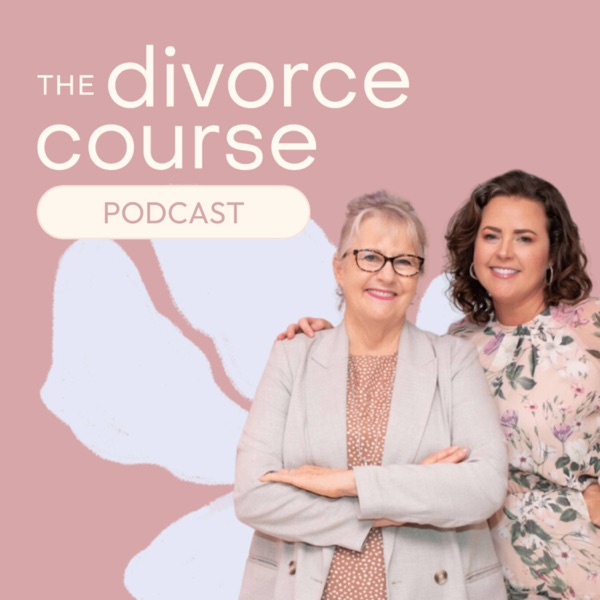
The Divorce Course Podcast is hosted by mother–daughter duo Laura Furiosi and family law specialist Lyn Galvin. Together, they break down the complex world of separation and divorce into clear, practical, and empowering conversations. From property settlements and parenting arrangements to dealing with difficult exes, finances, and family court, the podcast gives listeners the knowledge, tools, and confidence to navigate divorce without feeling lost or alone.
More details
The Divorce Course Podcast is hosted by mother–daughter duo Laura Furiosi and family law specialist Lyn Galvin. Together, they break down the complex world of separation and divorce into clear, practical, and empowering conversations. From property settlements and parenting arrangements to dealing with difficult exes, finances, and family court, the podcast gives listeners the knowledge, tools, and confidence to navigate divorce without feeling lost or alone.
Sources and links

Episodes

Page 2 · 50 per page
🎧 Listen to This Episode If You:

🚪 You're about to go to mediation and don't know what to expect 📝 You want to know what documents and disclosures you actually need 😵‍💫 You're anxious about seeing your ex in the same room 🧠 You want practical tips to mentally and emotionally prepare ⚖️ You want to give yourself the best chance of settling 👀 You're worried your ex is manipulative or controlling 🎯 You want a checklist of exactly what to do before the big day

Mediation can be one of the most powerful tools in your separation or divorce journey — but only if you're properly prepared. In this episode, I sit down with my mum Lyn (a seasoned family lawyer) to reveal the top 5 things mediators wish people knew before walking into mediation.

Whether you're facing property division, parenting negotiations, or dealing with a high-conflict or manipulative ex, we're giving you practical, real-world strategies to set you up for success. From shuttle rooms to knowing your must-haves vs nice-to-haves, this episode is your ultimate mediation prep guide.

⚠️ Trigger Warning: This episode includes discussion of family and domestic violence. 📌 Legal Disclaimer: This is general information only and not legal advice. Always seek independent legal advice for your situation.

⏱️ Episode Timeline:

00:00 Introduction to Mediation

00:10 Top Five Things Mediators Wish You Knew

01:18 Separate Rooms for Mediation -Do you have to be in the same room with your ex? (Hint: no!)

07:03 Compromise is Key - Why compromise is crucial — and how to prepare for it

11:52 Be Prepared with Documents - Clear goals vs nice-to-haves: how to prep like a pro

17:17 Anticipate Your Ex's Roadblocks

21:53 Navigating Conversations About Your Ex

22:20 Understanding Your Role in Mediation

22:29 Join Our Free Webinar

23:06 The Mediation Experience

24:13 Handling Pressure During Mediation

27:07 Preparing for Mediation -Your must-have mediation prep checklist

29:55 Dealing with Different Divorce Personality Types

34:00 Tips for staying calm and focused with difficult exes

36:26 Managing Manipulative and Controlling Exes

40:26 Where to get free mediation and disclosure checklists

🔑 Key Topics Discussed:
  • The 5 things mediators wish you knew

  • How to emotionally prepare for mediation

  • What to do when you're dealing with coercive control or narcissism

  • Practical tips for organising your evidence and disclosures

  • The power of clear goals and flexible thinking

  • How to keep calm and avoid being derailed

  • The truth about compromise — and how to protect yourself while doing it

  • Why you're still in control, even if you feel overwhelmed

  • Using mediation as a tool — even if your ex is impossible

  • The role of support people, tech tips, and being emotionally ready

📚 Related Episodes:

🆘 Support Services:

💜 Women's Shelter Service: 1800 811 811 ⚖️ Legal Aid: Visit your state's Legal Aid website 📞 Lifeline (24/7 Crisis Support): 13 11 14 👨‍👦 Mensline Australia: 1300 789 978 👧 Kids Help Line: 1800 551 800 🚨 National DV Hotline: 1800 RESPECT (1800 737 732) 🖤 Aboriginal Family DV Hotline: 1800 019 123

More description
🎧 Listen to This Episode If You:

🚪 You're about to go to mediation and don't know what to expect 📝 You want to know what documents and disclosures you actually need 😵‍💫 You're anxious about seeing your ex in the same room 🧠 You want practical tips to mentally and emotionally prepare ⚖️ You want to give yourself the best chance of settling 👀 You're worried your ex is manipulative or controlling 🎯 You want a checklist of exactly what to do before the big day

Mediation can be one of the most powerful tools in your separation or divorce journey — but only if you're properly prepared. In this episode, I sit down with my mum Lyn (a seasoned family lawyer) to reveal the top 5 things mediators wish people knew before walking into mediation.

Whether you're facing property division, parenting negotiations, or dealing with a high-conflict or manipulative ex, we're giving you practical, real-world strategies to set you up for success. From shuttle rooms to knowing your must-haves vs nice-to-haves, this episode is your ultimate mediation prep guide.

⚠️ Trigger Warning: This episode includes discussion of family and domestic violence. 📌 Legal Disclaimer: This is general information only and not legal advice. Always seek independent legal advice for your situation.

⏱️ Episode Timeline:

00:00 Introduction to Mediation

00:10 Top Five Things Mediators Wish You Knew

01:18 Separate Rooms for Mediation -Do you have to be in the same room with your ex? (Hint: no!)

07:03 Compromise is Key - Why compromise is crucial — and how to prepare for it

11:52 Be Prepared with Documents - Clear goals vs nice-to-haves: how to prep like a pro

17:17 Anticipate Your Ex's Roadblocks

21:53 Navigating Conversations About Your Ex

22:20 Understanding Your Role in Mediation

22:29 Join Our Free Webinar

23:06 The Mediation Experience

24:13 Handling Pressure During Mediation

27:07 Preparing for Mediation -Your must-have mediation prep checklist

29:55 Dealing with Different Divorce Personality Types

34:00 Tips for staying calm and focused with difficult exes

36:26 Managing Manipulative and Controlling Exes

40:26 Where to get free mediation and disclosure checklists

🔑 Key Topics Discussed:
  • The 5 things mediators wish you knew

  • How to emotionally prepare for mediation

  • What to do when you're dealing with coercive control or narcissism

  • Practical tips for organising your evidence and disclosures

  • The power of clear goals and flexible thinking

  • How to keep calm and avoid being derailed

  • The truth about compromise — and how to protect yourself while doing it

  • Why you're still in control, even if you feel overwhelmed

  • Using mediation as a tool — even if your ex is impossible

  • The role of support people, tech tips, and being emotionally ready

📚 Related Episodes:

🆘 Support Services:

💜 Women's Shelter Service: 1800 811 811 ⚖️ Legal Aid: Visit your state's Legal Aid website 📞 Lifeline (24/7 Crisis Support): 13 11 14 👨‍👦 Mensline Australia: 1300 789 978 👧 Kids Help Line: 1800 551 800 🚨 National DV Hotline: 1800 RESPECT (1800 737 732) 🖤 Aboriginal Family DV Hotline: 1800 019 123

Extract Knowledge
Listen elsewhere
🎧 Listen to This Episode If You:

💼 You're negotiating your super split after divorce in Australia

🧐 You've been told "let's just equalise super — it's fair"

😵‍💫 You're confused about what super is worth vs. cash

💸 You're worried about being left worse off long-term

🧾 You've made non-financial contributions (like parenting or homemaking)

⚖️ You want to make sure your property settlement is legally fair

👀 You suspect you're being pressured into a bad deal

Are you about to deal with your superannuation in your divorce or separation? Before you sign off on that "equal split," you'll want to hear this.

In today's episode,we sit down to unpack the worrying trend of super equalising — where separating couples are told to simply make their super balances the same and move on. But here's the thing… that's not what the family law of Australia says, and it could seriously disadvantage you, especially if you've been the lower income earner or the stay-at-home parent.

We share case examples, court insights, and some shocking myths that are floating around in legal circles — and we tell you what to do if a lawyer, mediator, or even your ex suggests this path. 📌 Legal Disclaimer: This is general info only — not legal advice. Please seek independent legal support for your personal situation.

0:00 – Are you about to deal with your super during divorce? Here's why this episode matters

1:00 – What does "equalising super" even mean—and why is it a problem?

2:00 – Why super is just another form of property under Australian law

3:30 – Why some lawyers are pushing for equal splits (and why that's dangerous)

5:30 – The golden rule: Super is subject to all the same rules as other property

7:00 – Are you being pressured to leave super out or just equalise it? Here's what to watch for

9:00 – How parenting and homemaking count as contributions to super

11:00 – Dodgy tactics: Over-contributing to super or hiding income

12:00 – How new 2025 laws include behaviour and abuse in property settlements

13:30 – When equalising might actually be okay—but only if the whole pool is fair

14:30 – Real case: Baxter & Baxter – what happens when the court gets it wrong

17:00 – What you can say to your ex (or lawyer!) if they push for equal super splits

18:30 – What Section 75(2) of the Family Law Act says—and why it matters

21:00 – Your capacity to earn, care for kids, and stay healthy are all future needs

23:00 – Why just "keeping the super" might leave you financially vulnerable

25:00 – The court's 5-step approach—and why percentages come last

27:00 – Why agreeing to percentages too early can backfire

30:00 – What to take to your lawyer to get proper advice on super and property

32:00 – Are SMSFs and defined benefit funds treated differently in divorce?

33:30 – Can you ever access your super early for legal fees?

34:00 – Why 97% of people settle out of court—and what that means for fairness

36:00 – Why consent orders can protect you more than a Binding Financial Agreement (BFA)

🔑 Key Topics Discussed
  • Why superannuation is property and must be assessed like any other asset

  • The myth of "equalising super" — and who really benefits from it

  • How future needs (Section 75(2)) affect super division When courts don't approve equal splits — even in consent orders

  • How coercive control and fear can influence unfair agreements The difference between cash and super — and why it matters to your financial future

  • What the law actually says about super splitting

  • Case examples: Coghlan & Coghlan (2005) and Baxter & Baxter (2010)

  • Why defined benefit and self-managed funds need special attention

  • What info to bring to your lawyer when discussing your super and property pool

🎙️ Related Episodes

RESOURCES

SECTION 75 of the family law act https://www5.austlii.edu.au/au/legis/cth/consol_act/fla1975114/s75.html

📧 Email the show: thedivorcecoursepodcast@gmail.com

⚠️ Emergency Contacts & Support Services:

💜 Women's Shelter Service: Call 1800 811 811 ⚖️ Legal Aid: Visit Legal Aid Website 📞 Lifeline (24/7 Crisis Support): Call 13 11 14 👨‍👦 Mensline Australia: Call 1300 789 978 👧 Kids Help Line: Call 1800 551 800 🚨 National Domestic Violence Hotline (1800 RESPECT): Call 1800 737 732 🖤 Aboriginal Family Domestic Violence Hotline: Call 1800 019 123

☎️ 1800 RESPECT – Family/domestic violence support ☎️ Lifeline: 13 11 14 – For emotional support

More description
🎧 Listen to This Episode If You:

💼 You're negotiating your super split after divorce in Australia

🧐 You've been told "let's just equalise super — it's fair"

😵‍💫 You're confused about what super is worth vs. cash

💸 You're worried about being left worse off long-term

🧾 You've made non-financial contributions (like parenting or homemaking)

⚖️ You want to make sure your property settlement is legally fair

👀 You suspect you're being pressured into a bad deal

Are you about to deal with your superannuation in your divorce or separation? Before you sign off on that "equal split," you'll want to hear this.

In today's episode,we sit down to unpack the worrying trend of super equalising — where separating couples are told to simply make their super balances the same and move on. But here's the thing… that's not what the family law of Australia says, and it could seriously disadvantage you, especially if you've been the lower income earner or the stay-at-home parent.

We share case examples, court insights, and some shocking myths that are floating around in legal circles — and we tell you what to do if a lawyer, mediator, or even your ex suggests this path. 📌 Legal Disclaimer: This is general info only — not legal advice. Please seek independent legal support for your personal situation.

0:00 – Are you about to deal with your super during divorce? Here's why this episode matters

1:00 – What does "equalising super" even mean—and why is it a problem?

2:00 – Why super is just another form of property under Australian law

3:30 – Why some lawyers are pushing for equal splits (and why that's dangerous)

5:30 – The golden rule: Super is subject to all the same rules as other property

7:00 – Are you being pressured to leave super out or just equalise it? Here's what to watch for

9:00 – How parenting and homemaking count as contributions to super

11:00 – Dodgy tactics: Over-contributing to super or hiding income

12:00 – How new 2025 laws include behaviour and abuse in property settlements

13:30 – When equalising might actually be okay—but only if the whole pool is fair

14:30 – Real case: Baxter & Baxter – what happens when the court gets it wrong

17:00 – What you can say to your ex (or lawyer!) if they push for equal super splits

18:30 – What Section 75(2) of the Family Law Act says—and why it matters

21:00 – Your capacity to earn, care for kids, and stay healthy are all future needs

23:00 – Why just "keeping the super" might leave you financially vulnerable

25:00 – The court's 5-step approach—and why percentages come last

27:00 – Why agreeing to percentages too early can backfire

30:00 – What to take to your lawyer to get proper advice on super and property

32:00 – Are SMSFs and defined benefit funds treated differently in divorce?

33:30 – Can you ever access your super early for legal fees?

34:00 – Why 97% of people settle out of court—and what that means for fairness

36:00 – Why consent orders can protect you more than a Binding Financial Agreement (BFA)

🔑 Key Topics Discussed
  • Why superannuation is property and must be assessed like any other asset

  • The myth of "equalising super" — and who really benefits from it

  • How future needs (Section 75(2)) affect super division When courts don't approve equal splits — even in consent orders

  • How coercive control and fear can influence unfair agreements The difference between cash and super — and why it matters to your financial future

  • What the law actually says about super splitting

  • Case examples: Coghlan & Coghlan (2005) and Baxter & Baxter (2010)

  • Why defined benefit and self-managed funds need special attention

  • What info to bring to your lawyer when discussing your super and property pool

🎙️ Related Episodes

RESOURCES

SECTION 75 of the family law act https://www5.austlii.edu.au/au/legis/cth/consol_act/fla1975114/s75.html

📧 Email the show: thedivorcecoursepodcast@gmail.com

⚠️ Emergency Contacts & Support Services:

💜 Women's Shelter Service: Call 1800 811 811 ⚖️ Legal Aid: Visit Legal Aid Website 📞 Lifeline (24/7 Crisis Support): Call 13 11 14 👨‍👦 Mensline Australia: Call 1300 789 978 👧 Kids Help Line: Call 1800 551 800 🚨 National Domestic Violence Hotline (1800 RESPECT): Call 1800 737 732 🖤 Aboriginal Family Domestic Violence Hotline: Call 1800 019 123

☎️ 1800 RESPECT – Family/domestic violence support ☎️ Lifeline: 13 11 14 – For emotional support

Extract Knowledge
Listen elsewhere

One of the most underestimated parts of separation are— settlement offers. Whether you're negotiating parenting arrangements, property division, or both, knowing how and when to make (or respond to) an offer can save you stress, time, and serious money.

We break down how settlement offers work, when to consider using Calderbank letters, how Section 117C of the Family Law Act affects legal costs, and the emotional traps that can trip you up during negotiation. We also talk about avoiding lowball traps, the risks of ignoring offers, and what to do if you're dealing with an avoidant or high-conflict ex.

📌 Legal Disclaimer: This is a general legal discussion only. Always seek independent legal advice before making decisions about your case.

🎧 Listen to This Episode If You:

📬 You've just received an offer and don't know what to do 📝 You're drafting an offer and want to avoid costly mistakes 🤯 You're confused about Calderbank offers or "without prejudice" negotiations ⚖️ You want to protect yourself from future legal costs ⏳ You're wondering when the best time is to make an offer 😨 You're worried your ex will use offers to manipulate or delay things 💬 You need tips for negotiating with high-conflict or avoidant exes 💡 You want to feel more confident and strategic about settlement

0:00 – legal disclaimer

1:00 – Why settlement offers are the key to ending court drama and legal stress

2:00 – What's the point of making an offer if your ex is high-conflict or controlling?

3:30 – How making an offer (even if rejected) can help you with legal costs

5:00 – What are "party and party" costs and how much can you actually recover?

6:30 – Why you MUST put all offers in writing — and how to do it right

7:30 – Tips for structuring your offer: how to make it clear and court-friendly

9:00 – What happens when an offer is accepted — and how to turn it into consent orders

10:30 – Do you still have to go to court if you've accepted an offer?

12:30 – When's the best time to make a settlement offer?

14:00 – Why timing matters and how it could impact a cost order

16:30 – Should you lowball or highball your offer like Facebook Marketplace?

18:00 – Mediation vs formal offers — what negotiation tactics are acceptable?

19:30 – What to ask yourself before you make an offer you might regret

21:30 – Mental prep: why understanding "fair" in the legal system is essential

24:00 – How guilt, people-pleasing, or pressure can lead to bad decisions

26:30 – The danger of controlling exes and how your history may influence your judgment

28:00 – What does "without prejudice" mean and why does it matter in negotiations?

30:00 – How to write a strong, effective, and strategic settlement offer

31:30 – What to do if you receive a last-minute or unreasonable offer

33:00 – Can you put time limits on offers? Are they enforceable?

34:30 – How to request more time or more information before accepting

36:00 – What if the offer is close, but not quite right? Counter-offer strategies

37:30 – Should your new partner, family, or friends be involved in decisions?

39:00 – Section 117C of the Family Law Act and how costs get awarded

41:00 – What if you ignore an offer completely?

43:00 – The emotional toll of negotiating and the power of staying objective

45:00 – Final tips for successful settlement negotiations

48:00 – Understanding your worst and best-case court outcomes before accepting

49:00 – A final reminder to always seek legal advice and protect your future

🔑 Key Topics Discussed
  • What makes a good settlement offer — and why timing matters

  • How Calderbank offers work and why they can protect you legally

  • What Section 117C of the Family Law Act says about court-ordered costs

  • The risks of ignoring or rejecting offers (especially in family court)

  • When to negotiate and when to stand your ground

  • Tips for writing a clear and strategic offer

  • What happens if your offer is accepted (and what to do next)

  • How to deal with unreasonable or manipulative exes

  • Why offers must always be documented in writing

  • What to do if you're pressured into accepting an offer you're unsure about

  • The emotional reality of negotiation — and why it's okay to take your time

  • Who should be involved in helping you assess or make an offer (spoiler: not your new partner!)

📎 Links & Resources Mentioned 🎙️ Related Episodes

📧 Email the show: thedivorcecoursepodcast@gmail.com

⚠️ Emergency Contacts & Support Services:

💜 Women's Shelter Service: Call 1800 811 811 ⚖️ Legal Aid: Visit Legal Aid Website 📞 Lifeline (24/7 Crisis Support): Call 13 11 14 👨‍👦 Mensline Australia: Call 1300 789 978 👧 Kids Help Line: Call 1800 551 800 🚨 National Domestic Violence Hotline (1800 RESPECT): Call 1800 737 732 🖤 Aboriginal Family Domestic Violence Hotline: Call 1800 019 123

☎️ 1800 RESPECT – Family/domestic violence support ☎️ Lifeline: 13 11 14 – For emotional support

#DivorceSupport #FamilyLawAustralia #SettlementOffers #SeparationHelp #CalderbankOffer #DivorceNegotiation #LegalCosts #FamilyCourtMatters #WithoutPrejudice #FairSettlement #PostSeparationAbuse #HighConflictDivorce #PropertySettlementTips #FamilyLawHelp #TheDivorceCoursePodcast

More description

One of the most underestimated parts of separation are— settlement offers. Whether you're negotiating parenting arrangements, property division, or both, knowing how and when to make (or respond to) an offer can save you stress, time, and serious money.

We break down how settlement offers work, when to consider using Calderbank letters, how Section 117C of the Family Law Act affects legal costs, and the emotional traps that can trip you up during negotiation. We also talk about avoiding lowball traps, the risks of ignoring offers, and what to do if you're dealing with an avoidant or high-conflict ex.

📌 Legal Disclaimer: This is a general legal discussion only. Always seek independent legal advice before making decisions about your case.

🎧 Listen to This Episode If You:

📬 You've just received an offer and don't know what to do 📝 You're drafting an offer and want to avoid costly mistakes 🤯 You're confused about Calderbank offers or "without prejudice" negotiations ⚖️ You want to protect yourself from future legal costs ⏳ You're wondering when the best time is to make an offer 😨 You're worried your ex will use offers to manipulate or delay things 💬 You need tips for negotiating with high-conflict or avoidant exes 💡 You want to feel more confident and strategic about settlement

0:00 – legal disclaimer

1:00 – Why settlement offers are the key to ending court drama and legal stress

2:00 – What's the point of making an offer if your ex is high-conflict or controlling?

3:30 – How making an offer (even if rejected) can help you with legal costs

5:00 – What are "party and party" costs and how much can you actually recover?

6:30 – Why you MUST put all offers in writing — and how to do it right

7:30 – Tips for structuring your offer: how to make it clear and court-friendly

9:00 – What happens when an offer is accepted — and how to turn it into consent orders

10:30 – Do you still have to go to court if you've accepted an offer?

12:30 – When's the best time to make a settlement offer?

14:00 – Why timing matters and how it could impact a cost order

16:30 – Should you lowball or highball your offer like Facebook Marketplace?

18:00 – Mediation vs formal offers — what negotiation tactics are acceptable?

19:30 – What to ask yourself before you make an offer you might regret

21:30 – Mental prep: why understanding "fair" in the legal system is essential

24:00 – How guilt, people-pleasing, or pressure can lead to bad decisions

26:30 – The danger of controlling exes and how your history may influence your judgment

28:00 – What does "without prejudice" mean and why does it matter in negotiations?

30:00 – How to write a strong, effective, and strategic settlement offer

31:30 – What to do if you receive a last-minute or unreasonable offer

33:00 – Can you put time limits on offers? Are they enforceable?

34:30 – How to request more time or more information before accepting

36:00 – What if the offer is close, but not quite right? Counter-offer strategies

37:30 – Should your new partner, family, or friends be involved in decisions?

39:00 – Section 117C of the Family Law Act and how costs get awarded

41:00 – What if you ignore an offer completely?

43:00 – The emotional toll of negotiating and the power of staying objective

45:00 – Final tips for successful settlement negotiations

48:00 – Understanding your worst and best-case court outcomes before accepting

49:00 – A final reminder to always seek legal advice and protect your future

🔑 Key Topics Discussed
  • What makes a good settlement offer — and why timing matters

  • How Calderbank offers work and why they can protect you legally

  • What Section 117C of the Family Law Act says about court-ordered costs

  • The risks of ignoring or rejecting offers (especially in family court)

  • When to negotiate and when to stand your ground

  • Tips for writing a clear and strategic offer

  • What happens if your offer is accepted (and what to do next)

  • How to deal with unreasonable or manipulative exes

  • Why offers must always be documented in writing

  • What to do if you're pressured into accepting an offer you're unsure about

  • The emotional reality of negotiation — and why it's okay to take your time

  • Who should be involved in helping you assess or make an offer (spoiler: not your new partner!)

📎 Links & Resources Mentioned 🎙️ Related Episodes

📧 Email the show: thedivorcecoursepodcast@gmail.com

⚠️ Emergency Contacts & Support Services:

💜 Women's Shelter Service: Call 1800 811 811 ⚖️ Legal Aid: Visit Legal Aid Website 📞 Lifeline (24/7 Crisis Support): Call 13 11 14 👨‍👦 Mensline Australia: Call 1300 789 978 👧 Kids Help Line: Call 1800 551 800 🚨 National Domestic Violence Hotline (1800 RESPECT): Call 1800 737 732 🖤 Aboriginal Family Domestic Violence Hotline: Call 1800 019 123

☎️ 1800 RESPECT – Family/domestic violence support ☎️ Lifeline: 13 11 14 – For emotional support

#DivorceSupport #FamilyLawAustralia #SettlementOffers #SeparationHelp #CalderbankOffer #DivorceNegotiation #LegalCosts #FamilyCourtMatters #WithoutPrejudice #FairSettlement #PostSeparationAbuse #HighConflictDivorce #PropertySettlementTips #FamilyLawHelp #TheDivorceCoursePodcast

Extract Knowledge
Listen elsewhere
Major Changes Are Coming to Family Law in Australia – Here's What You'll want to Know

In this episode, I sit down with my mum Lyn, our favourite straight-talking family lawyer—to unpack the biggest Family Law changes coming into effect on June 10, 2025.

We dive into how these legal reforms will impact property settlements, family violence considerations, companion animals (yes, pets!), financial disclosure rules, and more. Whether you're currently separating, in court, or supporting someone going through it, these new laws could change the game for you.

We also break down why these changes matter, how they could help victims of coercive control or economic abuse, and the kinds of evidence that could now influence outcomes in property disputes. As always, we bring the info in a way that's easy to understand—no legal jargon, just real talk..

⚠️ Trigger Warning: This episode contains discussions of family and domestic violence. 📌 Legal Disclaimer: This episode contains general information only and is not legal advice. Please seek independent legal advice for your situation.

🎧 Listen to this episode if…

🐾 You're separating and worried about who gets the dog 💸 You've experienced economic or financial abuse ⚖️ You're navigating a property settlement and unsure what's "fair" 📜 You're already in court and want to know if these changes apply 😟 You've struggled to get your lawyer to take family violence seriously 📂 You're overwhelmed with financial disclosure or suspect your ex is hiding assets 💔 You want to protect your rights—and your peace of mind—in the process

⏱️ Timeline Summary – What You'll Hear

  • 0:00 – Trigger warning and legal disclaimer

  • 1:00 – Why these 2025 law changes matter

  • 2:00 – How family violence can now impact property settlements

  • 5:00 – Understanding the new "wastage" rule (big shift!)

  • 10:00 – What counts as economic abuse in property disputes

  • 15:00 – Your pet isn't just "property" anymore – companion animals and court

  • 20:00 – Financial disclosure: new pressure on lawyers and parties

  • 27:00 – Children's Contact Centres: mandatory accreditation and safety focus

  • 33:00 – Less Adversarial Approaches: what's changing and what's not

  • 38:00 – Does this apply to your case if you're already in court?

  • 41:00 – How these changes can help—or hurt—you depending on your approach

  • 46:00 – Final wrap-up: What to do now and what to watch for next

🔑 Key Topics Discussed in This Episode

  • The biggest Family Law reforms in 20+ years — and what triggered them

  • How coercive control and economic abuse will now factor into property settlements

  • Why "wastage" matters (and how post-separation spending could impact outcomes)

  • The real legal status of pets in 2025 — not just "property" anymore!

  • New financial disclosure rules and how they'll change the game

  • The pressure on lawyers to address family violence properly

  • Why Children's Contact Centres are changing — and becoming saferThe shift towards less adversarial approaches in court

  • Whether these changes apply to your existing case

  • What to do now to prepare if you're currently separated or about to file

🔗 Links & Resources 📄 Download the updated Central Practice Direction 📄 Link to the Attorney-General's 2025 Family Law fact sheets

https://www.ag.gov.au/families-and-marriage/publications/family-law-property-changes-10-june-2025-fact-sheet-separating-couples

https://www.ag.gov.au/families-and-marriage/publications/family-law-changes-june-2025-information-family-law-professionals

☎️ 1800 RESPECT – Family/domestic violence support ☎️ Lifeline: 13 11 14 – For emotional support 📧 Email the show: thedivorcecoursepodcast@gmail.com

⚠️ Emergency Contacts & Support Services:

💜 Women's Shelter Service: Call 1800 811 811 ⚖️ Legal Aid: Visit Legal Aid Website 📞 Lifeline (24/7 Crisis Support): Call 13 11 14 👨‍👦 Mensline Australia: Call 1300 789 978 👧 Kids Help Line: Call 1800 551 800 🚨 National Domestic Violence Hotline (1800 RESPECT): Call 1800 737 732 🖤 Aboriginal Family Domestic Violence Hotline: Call 1800 019 123

🎙️ Related Episodes: Episode 194: What the 2025 Family Law Reforms Mean for You (Pets, Property & Power Plays)

#FamilyLawAustralia #DivorceSupport #PropertySettlement #EconomicAbuse #CoerciveControl #FamilyViolence #FamilyCourtReform #KnowYourRights #SeparatedAndStrong #DomesticViolenceAwareness #LegalUpdates2025 #SharedParenting #CustodyAndProperty #ProtectYourPeace #DivorceAustralia

More description
Major Changes Are Coming to Family Law in Australia – Here's What You'll want to Know

In this episode, I sit down with my mum Lyn, our favourite straight-talking family lawyer—to unpack the biggest Family Law changes coming into effect on June 10, 2025.

We dive into how these legal reforms will impact property settlements, family violence considerations, companion animals (yes, pets!), financial disclosure rules, and more. Whether you're currently separating, in court, or supporting someone going through it, these new laws could change the game for you.

We also break down why these changes matter, how they could help victims of coercive control or economic abuse, and the kinds of evidence that could now influence outcomes in property disputes. As always, we bring the info in a way that's easy to understand—no legal jargon, just real talk..

⚠️ Trigger Warning: This episode contains discussions of family and domestic violence. 📌 Legal Disclaimer: This episode contains general information only and is not legal advice. Please seek independent legal advice for your situation.

🎧 Listen to this episode if…

🐾 You're separating and worried about who gets the dog 💸 You've experienced economic or financial abuse ⚖️ You're navigating a property settlement and unsure what's "fair" 📜 You're already in court and want to know if these changes apply 😟 You've struggled to get your lawyer to take family violence seriously 📂 You're overwhelmed with financial disclosure or suspect your ex is hiding assets 💔 You want to protect your rights—and your peace of mind—in the process

⏱️ Timeline Summary – What You'll Hear

  • 0:00 – Trigger warning and legal disclaimer

  • 1:00 – Why these 2025 law changes matter

  • 2:00 – How family violence can now impact property settlements

  • 5:00 – Understanding the new "wastage" rule (big shift!)

  • 10:00 – What counts as economic abuse in property disputes

  • 15:00 – Your pet isn't just "property" anymore – companion animals and court

  • 20:00 – Financial disclosure: new pressure on lawyers and parties

  • 27:00 – Children's Contact Centres: mandatory accreditation and safety focus

  • 33:00 – Less Adversarial Approaches: what's changing and what's not

  • 38:00 – Does this apply to your case if you're already in court?

  • 41:00 – How these changes can help—or hurt—you depending on your approach

  • 46:00 – Final wrap-up: What to do now and what to watch for next

🔑 Key Topics Discussed in This Episode

  • The biggest Family Law reforms in 20+ years — and what triggered them

  • How coercive control and economic abuse will now factor into property settlements

  • Why "wastage" matters (and how post-separation spending could impact outcomes)

  • The real legal status of pets in 2025 — not just "property" anymore!

  • New financial disclosure rules and how they'll change the game

  • The pressure on lawyers to address family violence properly

  • Why Children's Contact Centres are changing — and becoming saferThe shift towards less adversarial approaches in court

  • Whether these changes apply to your existing case

  • What to do now to prepare if you're currently separated or about to file

🔗 Links & Resources 📄 Download the updated Central Practice Direction 📄 Link to the Attorney-General's 2025 Family Law fact sheets

https://www.ag.gov.au/families-and-marriage/publications/family-law-property-changes-10-june-2025-fact-sheet-separating-couples

https://www.ag.gov.au/families-and-marriage/publications/family-law-changes-june-2025-information-family-law-professionals

☎️ 1800 RESPECT – Family/domestic violence support ☎️ Lifeline: 13 11 14 – For emotional support 📧 Email the show: thedivorcecoursepodcast@gmail.com

⚠️ Emergency Contacts & Support Services:

💜 Women's Shelter Service: Call 1800 811 811 ⚖️ Legal Aid: Visit Legal Aid Website 📞 Lifeline (24/7 Crisis Support): Call 13 11 14 👨‍👦 Mensline Australia: Call 1300 789 978 👧 Kids Help Line: Call 1800 551 800 🚨 National Domestic Violence Hotline (1800 RESPECT): Call 1800 737 732 🖤 Aboriginal Family Domestic Violence Hotline: Call 1800 019 123

🎙️ Related Episodes: Episode 194: What the 2025 Family Law Reforms Mean for You (Pets, Property & Power Plays)

#FamilyLawAustralia #DivorceSupport #PropertySettlement #EconomicAbuse #CoerciveControl #FamilyViolence #FamilyCourtReform #KnowYourRights #SeparatedAndStrong #DomesticViolenceAwareness #LegalUpdates2025 #SharedParenting #CustodyAndProperty #ProtectYourPeace #DivorceAustralia

Extract Knowledge
Listen elsewhere

Are you trying to figure out how to divide the property after your separation or divorce? In this eye-opening episode, I sit down with my mum, but also an experienced family lawyer — and we walk you through the eight most common ways people settle property in Australia.

Whether you're hoping to keep the house, want a clean break, or are totally confused by super splitting, we're breaking it all down for you. From simple percentage splits to creative asset swaps — and even the risks of doing absolutely nothing — this episode is your go-to guide for understanding your options.

If you've been wondering how the Family Court might view your proposed agreement, or you just want clarity before making any big decisions, this one's for you.

⚠️ Trigger Warning: We do talk about separation, divorce, and family and domestic violence in this episode. 📌 Legal Disclaimer: Everything shared here is general info only — not legal advice. Always speak to your own lawyer about your unique situation before making any decisions or signing anything.

🎧 Listen to This Episode If You:

🏡 You're separated and thinking about how to split your assets

🤔 You've heard "it's always 50/50" and you're not sure if that's true

🔑 You're trying to keep the house, super, or a specific asset

😵‍💫 You're overwhelmed by all the legal options

😟 You're scared of doing the "wrong" thing with your property settlement

⚖️ You want a fair deal that protects your financial future

🧠 You're a visual thinker and need real examples to understand your options

DISCLAIMER: THIS IS NOT LEGAL ADVICE just a discussion about Australian Family Law and Divorce or DeFacto Separation.

🔑 Key Topics Discussed in This Episode
  1. What a property settlement actually is – and why it matters after separation

  2. Common myths about property division – including the truth behind "it's always 50/50"

  3. The 8 different ways you can reach a property settlement – from informal agreements to full court proceedings

  4. How to decide which option is right for you – based on your safety, finances, and communication with your ex

  5. The risks of doing nothing – and why delays can cost you more than just money

  6. Keeping the house, super, or other assets – what's realistic and what the court considers

  7. How to protect yourself legally and financially – especially in high-conflict or coercive control situations

  8. When and how to get legal advice – and how to prepare for it

  9. Case examples to help you understand what each option might look like in real life

  10. What to do if your ex won't cooperate or communicate

🎙️ Related Episodes:
  • Consent Orders vs BFAs: What's Best for You https://open.spotify.com/episode/5qgGhdAl5UaOo7LHb2Yf5Y?si=1d87hZ-iQ2iPadSuzyHBAQ

  • I Really, Really Want to Keep the House https://open.spotify.com/episode/6TzW9skKgvO8fjm0gcFPRg?si=uz9H0V3eRsaXzKKoLlMfaA

  • Selling the House in Divorce: What You Need to Know https://open.spotify.com/episode/6YUc34CVu6aCmunjQT1Sp6?si=7I8graLWQrm3PD_4brxOng

⚠️ Emergency Contacts & Support Services:

💜 Women's Shelter Service: Call 1800 811 811 ⚖️ Legal Aid: Visit Legal Aid Website 📞 Lifeline (24/7 Crisis Support): Call 13 11 14 👨‍👦 Mensline Australia: Call 1300 789 978 👧 Kids Help Line: Call 1800 551 800 🚨 National Domestic Violence Hotline (1800 RESPECT): Call 1800 737 732 🖤 Aboriginal Family Domestic Violence Hotline: Call 1800 019 123

⏳ Episode Timeline:

0:00 – Trigger warning and legal disclaimer

1:00 – What are we covering in today's divorce property settlement episode?

2:00 – What is the classic percentage split in a divorce—and how does it work?

3:30 – Why isn't property always divided 50/50 in a divorce? What factors do courts consider?

5:30 – What are the risks of saying "You take the house, I'll take the super" during divorce?

7:00 – When would this kind of divorce agreement be rejected by the court?

9:00 – Should we just sell everything and divide the cash after a divorce?

11:30 – Why can selling assets post-divorce shrink your overall property pool?

13:00 – What happens if one person buys the other out in a divorce settlement?

15:30 – How do you make sure the house is valued fairly during divorce proceedings?

17:00 – Can we trade assets like cars for cash or super for shares in a divorce?

18:30 – Is super always equal in value when dividing assets in divorce?

20:00 – What is superannuation splitting—and how does it work in a divorce?

22:00 – Is equalizing superannuation always a fair solution in divorce settlements?

23:30 – Can one person take on debt in exchange for more assets—and is that safe in a divorce?

25:00 – What are the legal risks when one partner takes on joint debt after divorce?

27:00 – What happens if we leave everything as it is and avoid a divorce property settlement?

29:30 – What real divorce stories show why doing nothing can go wrong?

33:00 – What are the new 2025 divorce-related laws—and how does post-separation spending affect your case?

34:30 – How can you figure out what's fair in your unique divorce situation?

Episode 193 Beyond 50/50: Creative & Legal Ways to Settle Property in Divorce in Australia

#DivorceSupport #PropertySettlement #FamilyLawAustralia #SeparationSupport #DivorceTips #KeepTheHouse #SuperSplit #FinancialAbuseAwareness #FairDivorce #LegalHelp #SplitAssets #CoParentingSupport #EqualPropertySplit #FamilyCourtMatters #DivorceCoursePodcast

More description

Are you trying to figure out how to divide the property after your separation or divorce? In this eye-opening episode, I sit down with my mum, but also an experienced family lawyer — and we walk you through the eight most common ways people settle property in Australia.

Whether you're hoping to keep the house, want a clean break, or are totally confused by super splitting, we're breaking it all down for you. From simple percentage splits to creative asset swaps — and even the risks of doing absolutely nothing — this episode is your go-to guide for understanding your options.

If you've been wondering how the Family Court might view your proposed agreement, or you just want clarity before making any big decisions, this one's for you.

⚠️ Trigger Warning: We do talk about separation, divorce, and family and domestic violence in this episode. 📌 Legal Disclaimer: Everything shared here is general info only — not legal advice. Always speak to your own lawyer about your unique situation before making any decisions or signing anything.

🎧 Listen to This Episode If You:

🏡 You're separated and thinking about how to split your assets

🤔 You've heard "it's always 50/50" and you're not sure if that's true

🔑 You're trying to keep the house, super, or a specific asset

😵‍💫 You're overwhelmed by all the legal options

😟 You're scared of doing the "wrong" thing with your property settlement

⚖️ You want a fair deal that protects your financial future

🧠 You're a visual thinker and need real examples to understand your options

DISCLAIMER: THIS IS NOT LEGAL ADVICE just a discussion about Australian Family Law and Divorce or DeFacto Separation.

🔑 Key Topics Discussed in This Episode
  1. What a property settlement actually is – and why it matters after separation

  2. Common myths about property division – including the truth behind "it's always 50/50"

  3. The 8 different ways you can reach a property settlement – from informal agreements to full court proceedings

  4. How to decide which option is right for you – based on your safety, finances, and communication with your ex

  5. The risks of doing nothing – and why delays can cost you more than just money

  6. Keeping the house, super, or other assets – what's realistic and what the court considers

  7. How to protect yourself legally and financially – especially in high-conflict or coercive control situations

  8. When and how to get legal advice – and how to prepare for it

  9. Case examples to help you understand what each option might look like in real life

  10. What to do if your ex won't cooperate or communicate

🎙️ Related Episodes:
  • Consent Orders vs BFAs: What's Best for You https://open.spotify.com/episode/5qgGhdAl5UaOo7LHb2Yf5Y?si=1d87hZ-iQ2iPadSuzyHBAQ

  • I Really, Really Want to Keep the House https://open.spotify.com/episode/6TzW9skKgvO8fjm0gcFPRg?si=uz9H0V3eRsaXzKKoLlMfaA

  • Selling the House in Divorce: What You Need to Know https://open.spotify.com/episode/6YUc34CVu6aCmunjQT1Sp6?si=7I8graLWQrm3PD_4brxOng

⚠️ Emergency Contacts & Support Services:

💜 Women's Shelter Service: Call 1800 811 811 ⚖️ Legal Aid: Visit Legal Aid Website 📞 Lifeline (24/7 Crisis Support): Call 13 11 14 👨‍👦 Mensline Australia: Call 1300 789 978 👧 Kids Help Line: Call 1800 551 800 🚨 National Domestic Violence Hotline (1800 RESPECT): Call 1800 737 732 🖤 Aboriginal Family Domestic Violence Hotline: Call 1800 019 123

⏳ Episode Timeline:

0:00 – Trigger warning and legal disclaimer

1:00 – What are we covering in today's divorce property settlement episode?

2:00 – What is the classic percentage split in a divorce—and how does it work?

3:30 – Why isn't property always divided 50/50 in a divorce? What factors do courts consider?

5:30 – What are the risks of saying "You take the house, I'll take the super" during divorce?

7:00 – When would this kind of divorce agreement be rejected by the court?

9:00 – Should we just sell everything and divide the cash after a divorce?

11:30 – Why can selling assets post-divorce shrink your overall property pool?

13:00 – What happens if one person buys the other out in a divorce settlement?

15:30 – How do you make sure the house is valued fairly during divorce proceedings?

17:00 – Can we trade assets like cars for cash or super for shares in a divorce?

18:30 – Is super always equal in value when dividing assets in divorce?

20:00 – What is superannuation splitting—and how does it work in a divorce?

22:00 – Is equalizing superannuation always a fair solution in divorce settlements?

23:30 – Can one person take on debt in exchange for more assets—and is that safe in a divorce?

25:00 – What are the legal risks when one partner takes on joint debt after divorce?

27:00 – What happens if we leave everything as it is and avoid a divorce property settlement?

29:30 – What real divorce stories show why doing nothing can go wrong?

33:00 – What are the new 2025 divorce-related laws—and how does post-separation spending affect your case?

34:30 – How can you figure out what's fair in your unique divorce situation?

Episode 193 Beyond 50/50: Creative & Legal Ways to Settle Property in Divorce in Australia

#DivorceSupport #PropertySettlement #FamilyLawAustralia #SeparationSupport #DivorceTips #KeepTheHouse #SuperSplit #FinancialAbuseAwareness #FairDivorce #LegalHelp #SplitAssets #CoParentingSupport #EqualPropertySplit #FamilyCourtMatters #DivorceCoursePodcast

Extract Knowledge
Listen elsewhere

In this eye-opening and practical episode,a seasoned family lawyer helps to unpack the 10 most frequently asked questions about child custody in Australia.

Whether you're fresh out of a breakup, preparing for court, or trying to figure out what your rights are, this episode is packed with general education and emotional clarity every separated parent needs. From understanding how courts decide who gets custody, to navigating situations involving domestic violence, high-conflict co-parents, and parenting plans this episode helps you gain a better understanding of what's what in child custody issues.

🎧 Listen to This Episode If You...
  • Are recently separated and unsure where to start

  • Want to learn how to understand your parental rights in court

  • Are co-parenting with someone difficult, absent, or controlling

  • Are trying to protect your child from a harmful environment

  • Need clarity around parenting plans vs court orders

  • Are preparing to go to family court

  • Feel overwhelmed by legal jargon and want straight answers

⚠️ Trigger Warning: This episode includes discussions about family and domestic violence.

📌 Legal Disclaimer: This podcast provides general information only and does not constitute legal advice. Every family law case is different, and you should always seek professional legal support specific to your circumstances.

📌 Episodes Mentioned in This Episode:

📚 Links & Resources
  • 🧾 Word Salad Checklist (Download) - https://www.thedivorcecourse.com.au/wordsaladchecklist

  • 📞 1800 RESPECT – Support for family and domestic violence

  • 📞 Lifeline (13 11 14) – Mental health and emotional support

  • 📞 000 – In case of immediate danger

⏱️ Timeline Summary

00:00 Introduction and Trigger Warnings

01:02 Understanding Child Custody

02:08 Immediate Steps After Separation

03:19 Consent Orders vs Parenting Plans

04:33 High Conflict Situations

05:56 What is the Best Interests of the Child

15:07 What is the difference between Legal vs Physical Custody

18:39 Domestic Violence and Custody

23:33 Surgical Risk and Legal Analogies

24:21 Can My Child Decide Who They Want to Live With?

24:26 Webinar Invitation: Empower Yourself Through Divorce

25:40 Can I Relocate with my child and Custody: Legal Insights

27:14 What can I do if my ex is Threatening of International Relocation

27:54 Joint Custody: Pros, Cons, and Realities

30:18 Proving an Ex is Unfit for Custody

31:26 How do you Modify and Enforce Custody Arrangements

33:30 How to Deal with Manipulative and Controlling Exes

34:08 High Conflict Custody Situations

36:20 Avoidant Exes and Custody Challenges

38:08 Final Thoughts and Support Resources

🔖 Hashtags (for Social Media)

#ChildCustody #FamilyLawAustralia #ParentingAfterSeparation #HighConflictDivorce #CoParenting #FamilyCourt #LegalParenting #DomesticViolenceAwareness #SharedParenting #CustodyBattle #DivorceSupport #ConsentOrders #ParentingPlan #FamilyLawHelp #ProtectiveParenting

📌 Final Disclaimer: Nothing discussed in this episode should be taken as legal advice. Please speak with a qualified legal professional who understands your personal situation and jurisdiction.

🎙️ Episode Title: Top 10 Child Custody Questions Answered (What Parents Need to Know)

More description

In this eye-opening and practical episode,a seasoned family lawyer helps to unpack the 10 most frequently asked questions about child custody in Australia.

Whether you're fresh out of a breakup, preparing for court, or trying to figure out what your rights are, this episode is packed with general education and emotional clarity every separated parent needs. From understanding how courts decide who gets custody, to navigating situations involving domestic violence, high-conflict co-parents, and parenting plans this episode helps you gain a better understanding of what's what in child custody issues.

🎧 Listen to This Episode If You...
  • Are recently separated and unsure where to start

  • Want to learn how to understand your parental rights in court

  • Are co-parenting with someone difficult, absent, or controlling

  • Are trying to protect your child from a harmful environment

  • Need clarity around parenting plans vs court orders

  • Are preparing to go to family court

  • Feel overwhelmed by legal jargon and want straight answers

⚠️ Trigger Warning: This episode includes discussions about family and domestic violence.

📌 Legal Disclaimer: This podcast provides general information only and does not constitute legal advice. Every family law case is different, and you should always seek professional legal support specific to your circumstances.

📌 Episodes Mentioned in This Episode:

📚 Links & Resources
  • 🧾 Word Salad Checklist (Download) - https://www.thedivorcecourse.com.au/wordsaladchecklist

  • 📞 1800 RESPECT – Support for family and domestic violence

  • 📞 Lifeline (13 11 14) – Mental health and emotional support

  • 📞 000 – In case of immediate danger

⏱️ Timeline Summary

00:00 Introduction and Trigger Warnings

01:02 Understanding Child Custody

02:08 Immediate Steps After Separation

03:19 Consent Orders vs Parenting Plans

04:33 High Conflict Situations

05:56 What is the Best Interests of the Child

15:07 What is the difference between Legal vs Physical Custody

18:39 Domestic Violence and Custody

23:33 Surgical Risk and Legal Analogies

24:21 Can My Child Decide Who They Want to Live With?

24:26 Webinar Invitation: Empower Yourself Through Divorce

25:40 Can I Relocate with my child and Custody: Legal Insights

27:14 What can I do if my ex is Threatening of International Relocation

27:54 Joint Custody: Pros, Cons, and Realities

30:18 Proving an Ex is Unfit for Custody

31:26 How do you Modify and Enforce Custody Arrangements

33:30 How to Deal with Manipulative and Controlling Exes

34:08 High Conflict Custody Situations

36:20 Avoidant Exes and Custody Challenges

38:08 Final Thoughts and Support Resources

🔖 Hashtags (for Social Media)

#ChildCustody #FamilyLawAustralia #ParentingAfterSeparation #HighConflictDivorce #CoParenting #FamilyCourt #LegalParenting #DomesticViolenceAwareness #SharedParenting #CustodyBattle #DivorceSupport #ConsentOrders #ParentingPlan #FamilyLawHelp #ProtectiveParenting

📌 Final Disclaimer: Nothing discussed in this episode should be taken as legal advice. Please speak with a qualified legal professional who understands your personal situation and jurisdiction.

🎙️ Episode Title: Top 10 Child Custody Questions Answered (What Parents Need to Know)

Extract Knowledge
Listen elsewhere

Feeling trapped in limbo while waiting for your property settlement to go through? You're not alone — and there may be a way out.

In this episode, I'm joined again by my mum, Lynette Galvin — a family lawyer with over 35 years of experience — and we're talking about a powerful but underused legal option called early distribution of funds.

This is a game-changer for anyone financially stuck during separation. Whether you're separated under one roof, struggling to pay rent, or locked out of joint funds, this episode is full of practical ideas to help you understand some options. We'll walk through how it works, who it can help, how to ask for it, and what to do if you're facing financial abuse or coercive control.

If even one person hears this and realizes they can ask for access to their own money — then this episode has done its job.

Legal Disclaimer: This is not legal advice please see a lawyer before making any decisions.

⚠️ Trigger Warning: This episode discusses financial abuse and coercive control. If you find this triggering, please contact Lifeline on 13 11 14 or 1800RESPECT.

🎧 Listen to this episode if…
  • You've separated from your partner but are still waiting for the property to be divided

  • You're struggling financially and wondering if you can access money now

  • You're living under the same roof as your ex and things are tense or unsafe

  • You've heard "you just have to wait" from a lawyer or friend

  • You're dealing with financial abuse or coercive control

  • You want to understand your rights and feel more empowered in the process

  • You're looking for a way to shift the balance in negotiations or court

⏱️ Episode Timeline

0:00 - A warm welcome and why this episode matters if you're stuck during property settlement 2:00 - What is early distribution of funds, and why more people should know about it 4:00 - Who qualifies? Scenarios from both wealthy and struggling couples 5:45 - Why financial abuse and coercive control may be stopping you from accessing your money 8:00 - The new definition of family violence and how it can work in your favour 10:30 - How to structure your request so it's fair and has a better chance of success 12:45 - The mindset shift: realizing you're entitled to ask 14:30 - What the courts consider when deciding to release funds early 16:30 - Step-by-step: how to apply and what documents you'll need 19:45 - Going to court: what to expect, what to say, and how to prepare 23:30 - Common misconceptions and sneaky tactics to watch for 26:45 - Can superannuation be released early? (Spoiler: unlikely!) 28:00 - Risks of early distribution: What you need to know before you ask 29:30 - How releasing funds can shift power and break negotiation deadlock 31:45 - How to approach this with different ex-partner personality types in Divorce 36:00 - The quote Mum wants on a cushion: "If you don't ask, you don't get."

🔗 Links & Resources

https://www.austlii.edu.au/cgi-bin/viewdoc/au/legis/cth/consol_act/fla1975114/s4ab.html

📝 Closing Thoughts

This episode is your reminder that you have options — and you don't have to wait until the final property settlement to start rebuilding your life. If you're in a tough spot financially, please talk to your lawyer about an early distribution. And if they say no, ask why.

You deserve to feel safe and supported through this process.

If you found this episode helpful, we'd be so grateful if you could rate, follow, and share the podcast. You never know who else out there might need this information right now. 💛

More description

Feeling trapped in limbo while waiting for your property settlement to go through? You're not alone — and there may be a way out.

In this episode, I'm joined again by my mum, Lynette Galvin — a family lawyer with over 35 years of experience — and we're talking about a powerful but underused legal option called early distribution of funds.

This is a game-changer for anyone financially stuck during separation. Whether you're separated under one roof, struggling to pay rent, or locked out of joint funds, this episode is full of practical ideas to help you understand some options. We'll walk through how it works, who it can help, how to ask for it, and what to do if you're facing financial abuse or coercive control.

If even one person hears this and realizes they can ask for access to their own money — then this episode has done its job.

Legal Disclaimer: This is not legal advice please see a lawyer before making any decisions.

⚠️ Trigger Warning: This episode discusses financial abuse and coercive control. If you find this triggering, please contact Lifeline on 13 11 14 or 1800RESPECT.

🎧 Listen to this episode if…
  • You've separated from your partner but are still waiting for the property to be divided

  • You're struggling financially and wondering if you can access money now

  • You're living under the same roof as your ex and things are tense or unsafe

  • You've heard "you just have to wait" from a lawyer or friend

  • You're dealing with financial abuse or coercive control

  • You want to understand your rights and feel more empowered in the process

  • You're looking for a way to shift the balance in negotiations or court

⏱️ Episode Timeline

0:00 - A warm welcome and why this episode matters if you're stuck during property settlement 2:00 - What is early distribution of funds, and why more people should know about it 4:00 - Who qualifies? Scenarios from both wealthy and struggling couples 5:45 - Why financial abuse and coercive control may be stopping you from accessing your money 8:00 - The new definition of family violence and how it can work in your favour 10:30 - How to structure your request so it's fair and has a better chance of success 12:45 - The mindset shift: realizing you're entitled to ask 14:30 - What the courts consider when deciding to release funds early 16:30 - Step-by-step: how to apply and what documents you'll need 19:45 - Going to court: what to expect, what to say, and how to prepare 23:30 - Common misconceptions and sneaky tactics to watch for 26:45 - Can superannuation be released early? (Spoiler: unlikely!) 28:00 - Risks of early distribution: What you need to know before you ask 29:30 - How releasing funds can shift power and break negotiation deadlock 31:45 - How to approach this with different ex-partner personality types in Divorce 36:00 - The quote Mum wants on a cushion: "If you don't ask, you don't get."

🔗 Links & Resources

https://www.austlii.edu.au/cgi-bin/viewdoc/au/legis/cth/consol_act/fla1975114/s4ab.html

📝 Closing Thoughts

This episode is your reminder that you have options — and you don't have to wait until the final property settlement to start rebuilding your life. If you're in a tough spot financially, please talk to your lawyer about an early distribution. And if they say no, ask why.

You deserve to feel safe and supported through this process.

If you found this episode helpful, we'd be so grateful if you could rate, follow, and share the podcast. You never know who else out there might need this information right now. 💛

Extract Knowledge
Listen elsewhere

Are you? Learn about the signs of economic or financial abuse, hear some real-life examples of how economic abuse manifests in relationships and practical steps you can take to protect yourself and your financial future. Find out how it is legally recognized under the Australian Family Law Amendment Act 2024, and why it's considered a form of coercive control. Also find out about the new laws effective from June 2025 and how they impact property settlements and financial disputes.

🚨 Trigger Warning: This episode discusses economic abuse and coercive control, which may be distressing for some listeners. If you need support, please contact 1800 RESPECT (1800 737 732) or Lifeline for confidential advice and assistance.

🎧 Listen to This Episode If You:

✅ Feel like your partner controls your money or financial decisions ❓ Have been told you're "bad with money" or pressured into signing financial documents 💡 Are worried that financial abuse is continuing after separation 🛡 Want to understand how the new legal changes address economic abuse 📚 Need advice on documenting financial control and seeking help 💔 Are experiencing financial stress during or after separation

DISCLAIMER: THIS IS NOT LEGAL ADVICE just a discussion about Australian Family Law and Divorce or DeFacto Separation.

Key Topics Discussed in This Episode:
  • What is Economic and Financial Abuse?

  • Signs and Red Flags of Economic Abuse

  • How Economic Abuse Is a Form of Coercive Control

  • Legal Changes: Economic Abuse Recognized as Family Violence

  • Impact on Property Settlements and Financial Outcomes

  • How to Protect Yourself from Economic and Financial Abuse

  • Support Services and Resources for Victims

📌 Links & Resources Mentioned:

🔗 1800 RESPECT – Support for family and domestic violence:

🔗 National Debt Helpline – Financial counselling and support:

🔗 Men's Referral Service – Support for men using or experiencing violence:

🔗 Understanding Coercive Control – Australian Government Resource:

🎙️ Related Episodes:
  1. Recognizing Coercive Control: How to Protect Yourself https://open.spotify.com/episode/12jgZw1IwIFLK5oPlp0its?si=CvxdW85YRJ6e9pX1katgPQ

  2. Navigating Financial Disclosure in Family Court https://www.thedivorcecourse.com.au/disclosurechecklist

  3. Understanding Emotional Abuse: Signs, Impact, and Recovery https://open.spotify.com/episode/2bSCQ3JdcU4xxW7D4LJUxG?si=ujMpXOD8QzeLbeA_rlC4Ew

  4. How to Tell Your Story and Communicate Coercive Control in Your Documents https://open.spotify.com/episode/6Ci0M4DqznBf1L1kcZM3vY?si=rO-DnFixQqKTPMCbkpe3jA

⚠️ Emergency Contacts & Support Services:

💜 Women's Shelter Service: Call 1800 811 811 ⚖️ Legal Aid: Visit Legal Aid Website 📞 Lifeline (24/7 Crisis Support): Call 13 11 14 👨‍👦 Mensline Australia: Call 1300 789 978 👧 Kids Help Line: Call 1800 551 800 🚨 National Domestic Violence Hotline (1800 RESPECT): Call 1800 737 732 🖤 Aboriginal Family Domestic Violence Hotline: Call 1800 019 123

⏳ Episode Timeline:

00:00 Introduction to Economic Abuse

00:24 Recognizing the Signs of Economic Abuse

01:09 Trigger Warning and Support Resources

01:57 Understanding Economic Abuse in Family Law

02:28 Examples of Economic Abuse

04:23 Subtle Forms of Financial Control

12:12 Post-Separation Financial Abuse

15:25 Questions to Identify Financial Abuse

21:30 Coercive Control and Financial Dependence

24:29 Understanding Coercive Control and Financial Abuse

25:34 Real-Life Examples of Financial Abuse

27:06 Legal Definitions and Changes in Family Law

30:37 Proving Financial Abuse in Court

32:03 Steps to Escape Financial Abuse

40:39 Support and Resources for Victims

42:53 Encouragement and Final Thoughts

Are You a Victim of FINANCIAL Abuse? Signs You Shouldn't Ignore & What the New Laws Might Mean for You

More description

Are you? Learn about the signs of economic or financial abuse, hear some real-life examples of how economic abuse manifests in relationships and practical steps you can take to protect yourself and your financial future. Find out how it is legally recognized under the Australian Family Law Amendment Act 2024, and why it's considered a form of coercive control. Also find out about the new laws effective from June 2025 and how they impact property settlements and financial disputes.

🚨 Trigger Warning: This episode discusses economic abuse and coercive control, which may be distressing for some listeners. If you need support, please contact 1800 RESPECT (1800 737 732) or Lifeline for confidential advice and assistance.

🎧 Listen to This Episode If You:

✅ Feel like your partner controls your money or financial decisions ❓ Have been told you're "bad with money" or pressured into signing financial documents 💡 Are worried that financial abuse is continuing after separation 🛡 Want to understand how the new legal changes address economic abuse 📚 Need advice on documenting financial control and seeking help 💔 Are experiencing financial stress during or after separation

DISCLAIMER: THIS IS NOT LEGAL ADVICE just a discussion about Australian Family Law and Divorce or DeFacto Separation.

Key Topics Discussed in This Episode:
  • What is Economic and Financial Abuse?

  • Signs and Red Flags of Economic Abuse

  • How Economic Abuse Is a Form of Coercive Control

  • Legal Changes: Economic Abuse Recognized as Family Violence

  • Impact on Property Settlements and Financial Outcomes

  • How to Protect Yourself from Economic and Financial Abuse

  • Support Services and Resources for Victims

📌 Links & Resources Mentioned:

🔗 1800 RESPECT – Support for family and domestic violence:

🔗 National Debt Helpline – Financial counselling and support:

🔗 Men's Referral Service – Support for men using or experiencing violence:

🔗 Understanding Coercive Control – Australian Government Resource:

🎙️ Related Episodes:
  1. Recognizing Coercive Control: How to Protect Yourself https://open.spotify.com/episode/12jgZw1IwIFLK5oPlp0its?si=CvxdW85YRJ6e9pX1katgPQ

  2. Navigating Financial Disclosure in Family Court https://www.thedivorcecourse.com.au/disclosurechecklist

  3. Understanding Emotional Abuse: Signs, Impact, and Recovery https://open.spotify.com/episode/2bSCQ3JdcU4xxW7D4LJUxG?si=ujMpXOD8QzeLbeA_rlC4Ew

  4. How to Tell Your Story and Communicate Coercive Control in Your Documents https://open.spotify.com/episode/6Ci0M4DqznBf1L1kcZM3vY?si=rO-DnFixQqKTPMCbkpe3jA

⚠️ Emergency Contacts & Support Services:

💜 Women's Shelter Service: Call 1800 811 811 ⚖️ Legal Aid: Visit Legal Aid Website 📞 Lifeline (24/7 Crisis Support): Call 13 11 14 👨‍👦 Mensline Australia: Call 1300 789 978 👧 Kids Help Line: Call 1800 551 800 🚨 National Domestic Violence Hotline (1800 RESPECT): Call 1800 737 732 🖤 Aboriginal Family Domestic Violence Hotline: Call 1800 019 123

⏳ Episode Timeline:

00:00 Introduction to Economic Abuse

00:24 Recognizing the Signs of Economic Abuse

01:09 Trigger Warning and Support Resources

01:57 Understanding Economic Abuse in Family Law

02:28 Examples of Economic Abuse

04:23 Subtle Forms of Financial Control

12:12 Post-Separation Financial Abuse

15:25 Questions to Identify Financial Abuse

21:30 Coercive Control and Financial Dependence

24:29 Understanding Coercive Control and Financial Abuse

25:34 Real-Life Examples of Financial Abuse

27:06 Legal Definitions and Changes in Family Law

30:37 Proving Financial Abuse in Court

32:03 Steps to Escape Financial Abuse

40:39 Support and Resources for Victims

42:53 Encouragement and Final Thoughts

Are You a Victim of FINANCIAL Abuse? Signs You Shouldn't Ignore & What the New Laws Might Mean for You

Extract Knowledge
Listen elsewhere

Think you know what divorce looks like in Australia? Think again. In this episode, we're busting some of the most common myths that trip people up emotionally, financially, and legally during separation and divorce. Whether you're at the start of your journey or knee-deep in negotiations, these misunderstandings could be holding you back or costing you big.

Join Laura and her mum, Lynette Galvin — a family lawyer with 35+ years of experience — as they unpack 13 myths they hear all the time, including ones that cause fear, confusion, and prevent people from getting what they're entitled to. From custody myths to super splitting, property settlement fears and bad legal advice — this episode is your reality check.

DISCLAIMER: THIS IS NOT LEGAL ADVICE just a discussion about Australian Family Law and Divorce or DeFacto Separation.

🎧 Listen to This Episode If You:

✅ Are worried that leaving the house means losing it in the property split ❓ Think child support covers all expenses 💡 Believe the court always favours mothers in parenting cases 🛡 Are avoiding legal advice to "save money" 📚 Think you have to wait until your divorce is final to sort out property ⚖️ Are scared to date during separation because it might "hurt your case" 🧠 Just want to stop second-guessing everything your ex or their lawyer is telling you

📌 Links & Resources Mentioned:

https://www.surveymonkey.com/r/DatingPost40 📝 Dating After Divorce Survey – Help us shape resources for separated parents:

🎧 Related Episodes:

  • Equalising Super: Is It Fair or a Financial Trap? Not yet released

  • Is It Emotional Abuse? Recognising Coercive Control https://youtu.be/PHfhLZXlUc8?si=l2U3B8hOKhKlr2v-

  • How to Prepare for Mediation Like a Pro https://youtu.be/JYqqDyWa5ns?si=IEdr3tdQnF4fLMnE

💻 Search Our Full Podcast Library – https://www.thedivorcecourse.com.au

⚠️ Emergency Contacts & Support Services:

💜 Women's Shelter Service: Call 1800 811 811 ⚖️ Legal Aid: Visit Legal Aid Website 📞 Lifeline (24/7 Crisis Support): Call 13 11 14 👨‍👦 Mensline Australia: Call 1300 789 978 👧 Kids Help Line: Call 1800 551 800 🚨 National Domestic Violence Hotline (1800 RESPECT): Call 1800 737 732 🖤 Aboriginal Family Domestic Violence Hotline: Call 1800 019 123

💬 Final Thoughts:

No matter where you're at in your divorce journey, understanding the truth behind these myths can empower you to make better decisions and avoid costly mistakes. Don't let fear, bad advice, or outdated beliefs hold you back.

👉 Hit play now and take the guesswork out of your separation. 🎧

⏳ Episode Timeline:

00:00 Introduction to Divorce Myths

01:38 Myth 1: Property Settlement Timing for Divorce in Australia

02:42 Myth 2: Do Family Courts Favour Mothers for Custody

04:33 Myth 3: Ownership and Coercive Control in Divorce

06:38 Myth 4: Equalizing Superannuation in Divorce

07:45 Myth 5: Dating After Separation can it affect your divorce or custody?

10:19 Myth 6: Can you Settle Divorce Without Court

11:58 Myth 7: Leaving the House and Kids during divorce

16:47 Myth 8: Not getting legal Advice Saves Money in Divorce

19:08 Myth 9: Property Settlements Are always 50/50

22:45 Myth 10: Child Support Covers All Expenses

24:07 Myth 11: Do Family Lawyers Know Everything

30:20 Conclusion and Resources

Divorce Myths That Could Cost You – Debunked! Episode 189

More description

Think you know what divorce looks like in Australia? Think again. In this episode, we're busting some of the most common myths that trip people up emotionally, financially, and legally during separation and divorce. Whether you're at the start of your journey or knee-deep in negotiations, these misunderstandings could be holding you back or costing you big.

Join Laura and her mum, Lynette Galvin — a family lawyer with 35+ years of experience — as they unpack 13 myths they hear all the time, including ones that cause fear, confusion, and prevent people from getting what they're entitled to. From custody myths to super splitting, property settlement fears and bad legal advice — this episode is your reality check.

DISCLAIMER: THIS IS NOT LEGAL ADVICE just a discussion about Australian Family Law and Divorce or DeFacto Separation.

🎧 Listen to This Episode If You:

✅ Are worried that leaving the house means losing it in the property split ❓ Think child support covers all expenses 💡 Believe the court always favours mothers in parenting cases 🛡 Are avoiding legal advice to "save money" 📚 Think you have to wait until your divorce is final to sort out property ⚖️ Are scared to date during separation because it might "hurt your case" 🧠 Just want to stop second-guessing everything your ex or their lawyer is telling you

📌 Links & Resources Mentioned:

https://www.surveymonkey.com/r/DatingPost40 📝 Dating After Divorce Survey – Help us shape resources for separated parents:

🎧 Related Episodes:

  • Equalising Super: Is It Fair or a Financial Trap? Not yet released

  • Is It Emotional Abuse? Recognising Coercive Control https://youtu.be/PHfhLZXlUc8?si=l2U3B8hOKhKlr2v-

  • How to Prepare for Mediation Like a Pro https://youtu.be/JYqqDyWa5ns?si=IEdr3tdQnF4fLMnE

💻 Search Our Full Podcast Library – https://www.thedivorcecourse.com.au

⚠️ Emergency Contacts & Support Services:

💜 Women's Shelter Service: Call 1800 811 811 ⚖️ Legal Aid: Visit Legal Aid Website 📞 Lifeline (24/7 Crisis Support): Call 13 11 14 👨‍👦 Mensline Australia: Call 1300 789 978 👧 Kids Help Line: Call 1800 551 800 🚨 National Domestic Violence Hotline (1800 RESPECT): Call 1800 737 732 🖤 Aboriginal Family Domestic Violence Hotline: Call 1800 019 123

💬 Final Thoughts:

No matter where you're at in your divorce journey, understanding the truth behind these myths can empower you to make better decisions and avoid costly mistakes. Don't let fear, bad advice, or outdated beliefs hold you back.

👉 Hit play now and take the guesswork out of your separation. 🎧

⏳ Episode Timeline:

00:00 Introduction to Divorce Myths

01:38 Myth 1: Property Settlement Timing for Divorce in Australia

02:42 Myth 2: Do Family Courts Favour Mothers for Custody

04:33 Myth 3: Ownership and Coercive Control in Divorce

06:38 Myth 4: Equalizing Superannuation in Divorce

07:45 Myth 5: Dating After Separation can it affect your divorce or custody?

10:19 Myth 6: Can you Settle Divorce Without Court

11:58 Myth 7: Leaving the House and Kids during divorce

16:47 Myth 8: Not getting legal Advice Saves Money in Divorce

19:08 Myth 9: Property Settlements Are always 50/50

22:45 Myth 10: Child Support Covers All Expenses

24:07 Myth 11: Do Family Lawyers Know Everything

30:20 Conclusion and Resources

Divorce Myths That Could Cost You – Debunked! Episode 189

Extract Knowledge
Listen elsewhere
💰 Is your ex hiding assets? Are they draining joint accounts, concealing super, or transferring money to family and friends? You're not alone, and there are legal ways to uncover what's yours. Learn about the most common ways people try to hide assets in divorce, including trust funds, cash jobs, disappearing assets, and hidden overseas accounts. Find out how the Australian Family Court courts handle these cases, what legal tools you can use to track down missing assets, and what to consider doing before mediation or family court. If you're frustrated by a lack of financial disclosure or suspect your ex is hiding money, this episode is a must-listen. 🚨 Disclaimer: This podcast provides general legal education for Australia and is not a substitute for independent legal advice. Always consult a qualified lawyer for guidance tailored to your situation. 🎧 Listen to This Episode If You: ✅ Believe your ex is hiding assets or not fully disclosing their financial situation ❓ Have noticed money disappearing from joint accounts 💡 Suspect your ex is hiding superannuation, cash jobs, or business earnings 🛡 Want to know what legal steps you can take before mediation or court 📚 Wondering how courts handle trusts, business assets, or overseas properties ⚖️ Are frustrated with non-disclosure and want to know what the courts will do about it Key Topics Discussed in This Episode: 1️⃣ Draining Joint Accounts: Can You Get the Money Back? 2️⃣ Superannuation & Hidden Retirement Funds 3️⃣ Trust Funds, Businesses & Company-Owned Assets 4️⃣ Cash Jobs & Undeclared Income 5️⃣ Selling Assets for Cheap to Friends & Family 6️⃣ Disappearing Assets: What If They Just Vanish? 7️⃣ Hiding Money & Property Overseas 8️⃣ What If Your Ex Refuses to Do Financial Disclosure?

📌 Links & Resources Mentioned in This Episode: 📜 Superannuation Information Request (Form 6) – ATO Superannuation Search 📜 Family Court Superannuation Search via Comm Courts Portal – Federal Circuit and Family Court of Australia 📜 📜Disclosure Checklist - https://www.thedivorcecourse.com.au/disclosurechecklist

🎙 More Podcast Episodes You'll Love:
  • Untangling Valuations: How to Find Out What Assets Are Worth https://youtu.be/pkNKwBXMu9I?si=Lq2Q0UvXh_AVHcJH
  • DIY Disclosure: What to Do If Your Ex Won't Provide Financial Records https://youtu.be/c273nHUN9DE?si=nshmPtJwqkdk8hAO
  • Avoiding Traps: Why You Should Never Negotiate Percentages Before Knowing the Property Pool https://youtu.be/D8xj-52q9ZE?si=N_-NKmXlszdXa-Rb
⏳ Episode Timeline:

00:00 Introduction: Uncovering Hidden Assets in Divorce

00:14 Common Tactics for Hiding Assets

01:40 Legal Rights and Draining Joint Accounts

04:29 Superannuation and Hidden Funds

06:55 Trust Funds and Corporate Veils

08:41 Valuing Businesses in Divorce

12:25 Cash in Hand and Undeclared Income

15:21 Selling Assets to Friends

16:04 Burnt Leg and Old Cars

16:27 Valuing and Insuring Classic Cars

17:01 Court's Approach to Asset Distribution

18:57 Handling Disappearing Assets

19:48 Hiding Assets Overseas

22:37 Non-Disclosure Issues

28:04 Child Support and Hidden Assets

29:32 Final Thoughts and Legal Advice

Emergency Contacts: 💜 Women's Shelter Service: Call 1800 811 811 ⚖️ Legal Aid: Visit Legal Aid Website 📞 Lifeline (24/7 Crisis Support): Call 13 11 14 👨‍👦 Mensline Australia: Call 1300 789 978 for confidential support for men 👧 Kids Help Line: Call 1800 551 800 for young people needing help 🚨 National Domestic Violence Hotline (1800 RESPECT): Call 1800 737 732 🖤 Aboriginal Family Domestic Violence Hotline: Call 1800 019 123

More description
💰 Is your ex hiding assets? Are they draining joint accounts, concealing super, or transferring money to family and friends? You're not alone, and there are legal ways to uncover what's yours. Learn about the most common ways people try to hide assets in divorce, including trust funds, cash jobs, disappearing assets, and hidden overseas accounts. Find out how the Australian Family Court courts handle these cases, what legal tools you can use to track down missing assets, and what to consider doing before mediation or family court. If you're frustrated by a lack of financial disclosure or suspect your ex is hiding money, this episode is a must-listen. 🚨 Disclaimer: This podcast provides general legal education for Australia and is not a substitute for independent legal advice. Always consult a qualified lawyer for guidance tailored to your situation. 🎧 Listen to This Episode If You: ✅ Believe your ex is hiding assets or not fully disclosing their financial situation ❓ Have noticed money disappearing from joint accounts 💡 Suspect your ex is hiding superannuation, cash jobs, or business earnings 🛡 Want to know what legal steps you can take before mediation or court 📚 Wondering how courts handle trusts, business assets, or overseas properties ⚖️ Are frustrated with non-disclosure and want to know what the courts will do about it Key Topics Discussed in This Episode: 1️⃣ Draining Joint Accounts: Can You Get the Money Back? 2️⃣ Superannuation & Hidden Retirement Funds 3️⃣ Trust Funds, Businesses & Company-Owned Assets 4️⃣ Cash Jobs & Undeclared Income 5️⃣ Selling Assets for Cheap to Friends & Family 6️⃣ Disappearing Assets: What If They Just Vanish? 7️⃣ Hiding Money & Property Overseas 8️⃣ What If Your Ex Refuses to Do Financial Disclosure?

📌 Links & Resources Mentioned in This Episode: 📜 Superannuation Information Request (Form 6) – ATO Superannuation Search 📜 Family Court Superannuation Search via Comm Courts Portal – Federal Circuit and Family Court of Australia 📜 📜Disclosure Checklist - https://www.thedivorcecourse.com.au/disclosurechecklist

🎙 More Podcast Episodes You'll Love:
  • Untangling Valuations: How to Find Out What Assets Are Worth https://youtu.be/pkNKwBXMu9I?si=Lq2Q0UvXh_AVHcJH
  • DIY Disclosure: What to Do If Your Ex Won't Provide Financial Records https://youtu.be/c273nHUN9DE?si=nshmPtJwqkdk8hAO
  • Avoiding Traps: Why You Should Never Negotiate Percentages Before Knowing the Property Pool https://youtu.be/D8xj-52q9ZE?si=N_-NKmXlszdXa-Rb
⏳ Episode Timeline:

00:00 Introduction: Uncovering Hidden Assets in Divorce

00:14 Common Tactics for Hiding Assets

01:40 Legal Rights and Draining Joint Accounts

04:29 Superannuation and Hidden Funds

06:55 Trust Funds and Corporate Veils

08:41 Valuing Businesses in Divorce

12:25 Cash in Hand and Undeclared Income

15:21 Selling Assets to Friends

16:04 Burnt Leg and Old Cars

16:27 Valuing and Insuring Classic Cars

17:01 Court's Approach to Asset Distribution

18:57 Handling Disappearing Assets

19:48 Hiding Assets Overseas

22:37 Non-Disclosure Issues

28:04 Child Support and Hidden Assets

29:32 Final Thoughts and Legal Advice

Emergency Contacts: 💜 Women's Shelter Service: Call 1800 811 811 ⚖️ Legal Aid: Visit Legal Aid Website 📞 Lifeline (24/7 Crisis Support): Call 13 11 14 👨‍👦 Mensline Australia: Call 1300 789 978 for confidential support for men 👧 Kids Help Line: Call 1800 551 800 for young people needing help 🚨 National Domestic Violence Hotline (1800 RESPECT): Call 1800 737 732 🖤 Aboriginal Family Domestic Violence Hotline: Call 1800 019 123

Extract Knowledge
Listen elsewhere

Explore the tactics abusive partners use to maintain control, how emotional abuse can impact divorce and custody proceedings, and—most importantly—how to protect yourself, rebuild your confidence, and move forward with clarity.

When emotional abuse in your relationship or divorce, it becomes confusing, isolating, and overwhelming. Many people don't realize that abuse isn't always physical—disrespect, manipulation, and control can be just as damaging, especially during separation.

In this episode, we're joined by Krasi Kirova, a clinical psychologist specializing in complex trauma, emotional and psychological abuse, and family violence. With extensive experience in trauma-informed approaches, Krasi helps us break down the Three Ds of Emotional Abuse—Disrespect, Disempowerment, and Distortion—and how these behaviors can show up in divorce.

🚨 Trigger Warning: This episode discusses emotional and psychological abuse, which may be distressing for some listeners. If you need support, please reach out to 1800 RESPECT (1800 737 732) for confidential advice and assistance.

🎧 Listen to This Episode If You:

✔️ Feel like your voice was never heard during your marriage or separation ✔️ Have experienced gaslighting, manipulation, or financial control in your relationship ✔️ Are struggling to explain emotional abuse to your lawyer or the court ✔️ Want to understand how emotional abuse impacts divorce and child custody ✔️ Need tools and strategies to protect yourself during and after separation ✔️ Are curious about the new coercive control laws and how they affect family law cases

Legal Disclaimer: This podcast is for informational purposes only and does not constitute legal advice. We are not psychologists or legal professionals, and the information shared is based on personal experiences and general knowledge. Every situation is unique, and laws vary by jurisdiction. If you are going through a divorce, custody dispute, or financial settlement, please seek independent legal advice from a qualified family law professional.

Episode Breakdown:

00:00 Introduction to Emotional Abuse in Divorce

00:35 Meet Krausey Kirova: Expert in Emotional Abuse

02:31 Understanding Emotional Abuse: The Basics

08:34 The 3 D's of Emotional Abuse

09:40 Disrespect: The First Pillar of Emotional Abuse

15:42 Disempowerment: The Second Pillar of Emotional Abuse

21:37 Addressing Hidden Abuse

21:48 Free Resources for Divorce Preparation

22:33 Understanding Distortion in Abusive Relationships

23:48 The Impact of Gaslighting

25:42 Recognizing and Documenting Abusive Patterns

33:47 The Role of Therapy and Mediation

37:40 Workshops and Support for Women

38:38 Conclusion and Final Thoughts

Episode Highlights: 🔹 [04:00] – What is emotional abuse, and how does it differ from disagreements or bad behavior? 🔹 [10:00] – The Three Ds of Emotional Abuse:

  • Disrespect – Verbal put-downs, silent treatments, invalidation of your feelings.

  • Disempowerment – Financial control, isolation, and decision-making without your input.

  • Distortion – Gaslighting, blame-shifting, and rewriting reality. 🔹 [27:00] – Why emotional abuse is often hard to recognize when you're in it. 🔹 [31:00] – How to document abuse effectively for legal cases and communicate it to your lawyer. 🔹 [36:00] – Should you try family therapy or mediation with an emotionally abusive partner? 🔹 [40:00] – The impact of new coercive control laws in Australia and how they apply to divorce.

Links & Resources Mentioned: Resources & Support:

✅ Krasi Kirova's "Understanding Emotional Abuse in Relationships" Workshop –

Krasi Kirova is a clinical psychologist specialising in complex trauma, difficult family dynamics, emotional and psychological abuse in relationships, dealing/separating from a narcissistic partner, and setting healthy boundaries. She has extensive training in trauma-informed approaches and family violence. Aside from her work in private practice, Krasi has worked at Monash University's health services and co-facilitated trauma groups in a psychiatric hospital. She currently runs a workshop for women called "Understanding Emotional Abuse in Relationships".

https://kirovapsychology.com.au/workshop/

✅ 1800 RESPECT – Confidential support for domestic & family violence: https://www.1800respect.org.au ✅ Mediation Checklist – www.thedivorcecourse.com.au

✅ Legal Resources on Coercive Control – https://www.fcfcoa.gov.au/fl/fv/overview

Recommended Books:

📚 Why Does He Do That? – Lundy Bancroft 📖 Amazon | Booktopia (AU)

📚 The Verbally Abusive Relationship – Patricia Evans 📖 Amazon | Book Depository

📚 In Sheep's Clothing: Understanding and Dealing with Manipulative People – George K. Simon 📖 Amazon | Book Depository

Related Podcast Episodes:

🎙 Gaslighting in Divorce: How to Spot It & Shut It Down – (Do you have a link for this episode? I can add it!) 🎙 Coercive Control & The Family Court: What You Need to Know – https://youtu.be/OKJB6BY1N-M?si=hvZXb9-n-4qEgMbf

🎙 Mediation or Manipulation https://youtu.be/-7emsMbzX5o?si=6cOLhB8lZxGS8ZQa

🔗 Support Services

  • Lifeline – 13 11 14 (Australia)

  • 1-800-RESPECT – Domestic Violence Support

👉 If you found this episode helpful, don't forget to subscribe, leave a review, and share it with someone who might need this information.

#DivorceSupport #CovertNarcissist #FamilyLaw #NarcissisticAbuse #Separation #LegalTips #CustodyBattles #PropertySettlement #ToxicRelationships #Manipulation #CourtOrders

Don't forget to subscribe, leave a review, and share it with someone who might need it!

Legal Disclaimer: This podcast is for informational purposes only and does not constitute legal advice. We are not psychologists or legal professionals, and the information shared is based on personal experiences and general knowledge. Every situation is unique, and laws vary by jurisdiction. If you are going through a divorce, custody dispute, or financial settlement, please seek independent legal advice from a qualified family law professional.

More description

Explore the tactics abusive partners use to maintain control, how emotional abuse can impact divorce and custody proceedings, and—most importantly—how to protect yourself, rebuild your confidence, and move forward with clarity.

When emotional abuse in your relationship or divorce, it becomes confusing, isolating, and overwhelming. Many people don't realize that abuse isn't always physical—disrespect, manipulation, and control can be just as damaging, especially during separation.

In this episode, we're joined by Krasi Kirova, a clinical psychologist specializing in complex trauma, emotional and psychological abuse, and family violence. With extensive experience in trauma-informed approaches, Krasi helps us break down the Three Ds of Emotional Abuse—Disrespect, Disempowerment, and Distortion—and how these behaviors can show up in divorce.

🚨 Trigger Warning: This episode discusses emotional and psychological abuse, which may be distressing for some listeners. If you need support, please reach out to 1800 RESPECT (1800 737 732) for confidential advice and assistance.

🎧 Listen to This Episode If You:

✔️ Feel like your voice was never heard during your marriage or separation ✔️ Have experienced gaslighting, manipulation, or financial control in your relationship ✔️ Are struggling to explain emotional abuse to your lawyer or the court ✔️ Want to understand how emotional abuse impacts divorce and child custody ✔️ Need tools and strategies to protect yourself during and after separation ✔️ Are curious about the new coercive control laws and how they affect family law cases

Legal Disclaimer: This podcast is for informational purposes only and does not constitute legal advice. We are not psychologists or legal professionals, and the information shared is based on personal experiences and general knowledge. Every situation is unique, and laws vary by jurisdiction. If you are going through a divorce, custody dispute, or financial settlement, please seek independent legal advice from a qualified family law professional.

Episode Breakdown:

00:00 Introduction to Emotional Abuse in Divorce

00:35 Meet Krausey Kirova: Expert in Emotional Abuse

02:31 Understanding Emotional Abuse: The Basics

08:34 The 3 D's of Emotional Abuse

09:40 Disrespect: The First Pillar of Emotional Abuse

15:42 Disempowerment: The Second Pillar of Emotional Abuse

21:37 Addressing Hidden Abuse

21:48 Free Resources for Divorce Preparation

22:33 Understanding Distortion in Abusive Relationships

23:48 The Impact of Gaslighting

25:42 Recognizing and Documenting Abusive Patterns

33:47 The Role of Therapy and Mediation

37:40 Workshops and Support for Women

38:38 Conclusion and Final Thoughts

Episode Highlights: 🔹 [04:00] – What is emotional abuse, and how does it differ from disagreements or bad behavior? 🔹 [10:00] – The Three Ds of Emotional Abuse:

  • Disrespect – Verbal put-downs, silent treatments, invalidation of your feelings.

  • Disempowerment – Financial control, isolation, and decision-making without your input.

  • Distortion – Gaslighting, blame-shifting, and rewriting reality. 🔹 [27:00] – Why emotional abuse is often hard to recognize when you're in it. 🔹 [31:00] – How to document abuse effectively for legal cases and communicate it to your lawyer. 🔹 [36:00] – Should you try family therapy or mediation with an emotionally abusive partner? 🔹 [40:00] – The impact of new coercive control laws in Australia and how they apply to divorce.

Links & Resources Mentioned: Resources & Support:

✅ Krasi Kirova's "Understanding Emotional Abuse in Relationships" Workshop –

Krasi Kirova is a clinical psychologist specialising in complex trauma, difficult family dynamics, emotional and psychological abuse in relationships, dealing/separating from a narcissistic partner, and setting healthy boundaries. She has extensive training in trauma-informed approaches and family violence. Aside from her work in private practice, Krasi has worked at Monash University's health services and co-facilitated trauma groups in a psychiatric hospital. She currently runs a workshop for women called "Understanding Emotional Abuse in Relationships".

https://kirovapsychology.com.au/workshop/

✅ 1800 RESPECT – Confidential support for domestic & family violence: https://www.1800respect.org.au ✅ Mediation Checklist – www.thedivorcecourse.com.au

✅ Legal Resources on Coercive Control – https://www.fcfcoa.gov.au/fl/fv/overview

Recommended Books:

📚 Why Does He Do That? – Lundy Bancroft 📖 Amazon | Booktopia (AU)

📚 The Verbally Abusive Relationship – Patricia Evans 📖 Amazon | Book Depository

📚 In Sheep's Clothing: Understanding and Dealing with Manipulative People – George K. Simon 📖 Amazon | Book Depository

Related Podcast Episodes:

🎙 Gaslighting in Divorce: How to Spot It & Shut It Down – (Do you have a link for this episode? I can add it!) 🎙 Coercive Control & The Family Court: What You Need to Know – https://youtu.be/OKJB6BY1N-M?si=hvZXb9-n-4qEgMbf

🎙 Mediation or Manipulation https://youtu.be/-7emsMbzX5o?si=6cOLhB8lZxGS8ZQa

🔗 Support Services

  • Lifeline – 13 11 14 (Australia)

  • 1-800-RESPECT – Domestic Violence Support

👉 If you found this episode helpful, don't forget to subscribe, leave a review, and share it with someone who might need this information.

#DivorceSupport #CovertNarcissist #FamilyLaw #NarcissisticAbuse #Separation #LegalTips #CustodyBattles #PropertySettlement #ToxicRelationships #Manipulation #CourtOrders

Don't forget to subscribe, leave a review, and share it with someone who might need it!

Legal Disclaimer: This podcast is for informational purposes only and does not constitute legal advice. We are not psychologists or legal professionals, and the information shared is based on personal experiences and general knowledge. Every situation is unique, and laws vary by jurisdiction. If you are going through a divorce, custody dispute, or financial settlement, please seek independent legal advice from a qualified family law professional.

Extract Knowledge
Listen elsewhere

Have you just realized your ex might be a covert narcissist? Thought your separation was amicable,only to find yourself blindsided by manipulation and deceit? In this episode, we break down the six key signs of a covert narcissist during divorce, property settlement or coparenting. From playing the victim to using the legal system against you, we'll help you spot the red flags and protect yourself.

Listen to This Episode If You:

✅ Are going through a divorce or property settlement and feel like something is off. ❓ Want to understand the subtle tactics of a covert narcissist. 💰 Need to protect your financial assets from manipulation. ⚖️ Are dealing with custody battles and want to safeguard your children. 📜 Suspect your ex is using legal loopholes to control or deceive you.

Legal Disclaimer: This podcast is for informational purposes only and does not constitute legal advice. We are not psychologists or legal professionals, and the information shared is based on personal experiences and general knowledge. Every situation is unique, and laws vary by jurisdiction. If you are going through a divorce, custody dispute, or financial settlement, please seek independent legal advice from a qualified family law professional.

Episode Breakdown:

00:00 Introduction to Covert Narcissism in Divorce

01:23 Understanding Covert Narcissists

02:31 Recognizing the Victim Role

05:24 Manipulation Tactics in Divorce

13:26 Custody Battles and Child Manipulation

17:53 Legal Manipulation and Delays

20:03 Mediation Challenges with Narcissists

22:33 Legal Advice and Second Opinions

22:56 Mediation with a Covert Narcissist

23:10 Document Everything

23:49 Investigate Property Claims

24:07 Handling Unreasonable Negotiations

25:15 Free Resources for Mediation

28:02 False Allegations and Manipulation

35:37 Expecting Amicable Pretenses

42:06 Final Thoughts and Advice

Key Topics Discussed in This Episode:

🔹 The Victim Role: How covert narcissists gain sympathy while making you feel like the problem. 🔹 Financial Manipulation: Hidden assets, delaying tactics, and emotional blackmail. 🔹 Custody Battles & Control: The sneaky ways they use your children against you. 🔹 Legal Abuse & False Allegations: How they use the court system to exhaust and intimidate you. 🔹 How to Protect Yourself: Strategies to recognize manipulation and safeguard your rights.

Links & Resources Mentioned:

🔗 Support Services

  • Lifeline – 13 11 14 (Australia)

  • 1-800-RESPECT – Domestic Violence Support

🎙 Recommended Episodes:

  • The Narcissist Playbook in Divorce – Learn the tactics they use and how to counter them.https://youtu.be/OrRvd9XzuIg?si=KDYG1a0Fh8xXBn7q

  • 8 Ways to Protect Yourself from DARVO – Recognize and defend against manipulation.https://youtu.be/pRMOfozwBKs?si=54TMNNtK_H5r2QGj

  • Can You Mediate with a Narcissist? – Practical advice for handling negotiations. https://youtu.be/JYqqDyWa5ns?si=iY_J7pz-uA6ChOwc

👉 If you found this episode helpful, don't forget to subscribe, leave a review, and share it with someone who might need this information.

#DivorceSupport #CovertNarcissist #FamilyLaw #NarcissisticAbuse #Separation #LegalTips #CustodyBattles #PropertySettlement #ToxicRelationships #Manipulation #CourtOrders

Don't forget to subscribe, leave a review, and share it with someone who might need it!

Legal Disclaimer: This podcast is for informational purposes only and does not constitute legal advice. We are not psychologists or legal professionals, and the information shared is based on personal experiences and general knowledge. Every situation is unique, and laws vary by jurisdiction. If you are going through a divorce, custody dispute, or financial settlement, please seek independent legal advice from a qualified family law professional.

More description

Have you just realized your ex might be a covert narcissist? Thought your separation was amicable,only to find yourself blindsided by manipulation and deceit? In this episode, we break down the six key signs of a covert narcissist during divorce, property settlement or coparenting. From playing the victim to using the legal system against you, we'll help you spot the red flags and protect yourself.

Listen to This Episode If You:

✅ Are going through a divorce or property settlement and feel like something is off. ❓ Want to understand the subtle tactics of a covert narcissist. 💰 Need to protect your financial assets from manipulation. ⚖️ Are dealing with custody battles and want to safeguard your children. 📜 Suspect your ex is using legal loopholes to control or deceive you.

Legal Disclaimer: This podcast is for informational purposes only and does not constitute legal advice. We are not psychologists or legal professionals, and the information shared is based on personal experiences and general knowledge. Every situation is unique, and laws vary by jurisdiction. If you are going through a divorce, custody dispute, or financial settlement, please seek independent legal advice from a qualified family law professional.

Episode Breakdown:

00:00 Introduction to Covert Narcissism in Divorce

01:23 Understanding Covert Narcissists

02:31 Recognizing the Victim Role

05:24 Manipulation Tactics in Divorce

13:26 Custody Battles and Child Manipulation

17:53 Legal Manipulation and Delays

20:03 Mediation Challenges with Narcissists

22:33 Legal Advice and Second Opinions

22:56 Mediation with a Covert Narcissist

23:10 Document Everything

23:49 Investigate Property Claims

24:07 Handling Unreasonable Negotiations

25:15 Free Resources for Mediation

28:02 False Allegations and Manipulation

35:37 Expecting Amicable Pretenses

42:06 Final Thoughts and Advice

Key Topics Discussed in This Episode:

🔹 The Victim Role: How covert narcissists gain sympathy while making you feel like the problem. 🔹 Financial Manipulation: Hidden assets, delaying tactics, and emotional blackmail. 🔹 Custody Battles & Control: The sneaky ways they use your children against you. 🔹 Legal Abuse & False Allegations: How they use the court system to exhaust and intimidate you. 🔹 How to Protect Yourself: Strategies to recognize manipulation and safeguard your rights.

Links & Resources Mentioned:

🔗 Support Services

  • Lifeline – 13 11 14 (Australia)

  • 1-800-RESPECT – Domestic Violence Support

🎙 Recommended Episodes:

  • The Narcissist Playbook in Divorce – Learn the tactics they use and how to counter them.https://youtu.be/OrRvd9XzuIg?si=KDYG1a0Fh8xXBn7q

  • 8 Ways to Protect Yourself from DARVO – Recognize and defend against manipulation.https://youtu.be/pRMOfozwBKs?si=54TMNNtK_H5r2QGj

  • Can You Mediate with a Narcissist? – Practical advice for handling negotiations. https://youtu.be/JYqqDyWa5ns?si=iY_J7pz-uA6ChOwc

👉 If you found this episode helpful, don't forget to subscribe, leave a review, and share it with someone who might need this information.

#DivorceSupport #CovertNarcissist #FamilyLaw #NarcissisticAbuse #Separation #LegalTips #CustodyBattles #PropertySettlement #ToxicRelationships #Manipulation #CourtOrders

Don't forget to subscribe, leave a review, and share it with someone who might need it!

Legal Disclaimer: This podcast is for informational purposes only and does not constitute legal advice. We are not psychologists or legal professionals, and the information shared is based on personal experiences and general knowledge. Every situation is unique, and laws vary by jurisdiction. If you are going through a divorce, custody dispute, or financial settlement, please seek independent legal advice from a qualified family law professional.

Extract Knowledge
Listen elsewhere

Are you going through a divorce property settlement and unsure whether to choose a Consent Order or a Binding Financial Agreement (BFA)? In this episode, we break down what they are and the key differences between the two. We also discuss the pitfalls and risks to keep in mind when navigating this.

Listen to This Episode If You:

✅ Are going through a separation and need to divide property fairly. ❓ Want to know whether a Consent Order or a Financial Agreement is the better choice. 💰 Need to understand the costs involved in each option. ⚖️ Want to protect yourself from future financial claims. 📜 Want to know if consent orders or bfa's can be contested in court

00:00 Introduction to Property Settlement

00:57 Understanding Consent Orders

01:32 Exploring Binding Financial Agreements (BFAs)

02:14 Comparing Consent Orders and BFAs

03:20 Legal Advice and Costs

05:28 Risks of Not Having Legal Agreements

12:41 Process of Getting Financial Agreements

15:33 Process of Getting Consent Orders

21:49 Common Pitfalls and How to Avoid Them

22:15 Understanding Consent Orders and Financial Agreements

22:46 The Risks of Non-Disclosure in Financial Agreements

25:44 Signing Under Pressure: What You Need to Know

27:55 The Importance of Proper Legal Advice

30:49 Challenging and Enforcing Settlements

35:49 Final Thoughts and Practical Advice

40:48 Conclusion and Legal Disclaimer

👉 If you found this episode helpful, don't

Key Topics Discussed in This Episode: 🔹 Understanding Consent Orders
  • What is a Consent Order, and how does it work?

  • Why the Family Court reviews and approves these agreements.

  • The benefits of having a legally binding, court-approved settlement.

🔹 What You Need to Know About Financial Agreements (BFAs)
  • Why they are no longer called Binding Financial Agreements.

  • How BFAs differ from Consent Orders and why they carry more risk.

  • The legal costs and technicalities involved in creating a Financial Agreement.

🔹 Consent Orders vs. BFAs: Cost and Legal Requirements
  • How much does a Consent Order cost vs. a BFA?

  • Why BFAs require independent legal advice for both parties.

  • Can you challenge or overturn these agreements in court?

🔹 Avoiding Common Pitfalls
  • Why informal agreements leave you legally unprotected.

  • The dangers of signing under pressure or coercion.

  • What happens if your ex doesn't comply with the agreement?

🔹 Finalizing Your Property Settlement
  • A walkthrough for getting a Consent Order approved.

  • When a BFA might be necessary and how to ensure it holds up in court.

  • Questions to ask before signing any financial settlement.

Links & Resources Mentioned:

🔗 Free Resources & Guides:

  • DIY Divorce Blueprint – Learn how to create your Consent Orders https://www.thedivorcecourse.com.au/enrol

  • Legal Aid Resources https://www.legalaid.qld.gov.au/Home

🎙 Recommended Episodes:

  • Do I Really Need a Consent Order? https://youtu.be/AJrX8ovEEY8?si=LOAfESvxibj_-VYz

  • Protecting Yourself After Divorce: Financial & Legal Steps

  • Spousal Maintenance: Am I Eligible? https://youtu.be/lafPlHTSWp0?si=aCXWrOmWyJqZN4Bc

Don't forget to subscribe, leave a review, and share it with someone who might need it!

Consent Orders or Binding Financial Agreements: How to Make Sure Your Settlement Sticks

#FamilyLaw #DivorceSettlement #PropertySettlement #ConsentOrder #FinancialAgreement #BFAvsConsentOrder #LegalAdvice #Separation #DivorceSupport #FamilyCourt #Prenup #DivorceLaw #LegalTips #CoParenting #RelationshipBreakdown #CourtOrders

More description

Are you going through a divorce property settlement and unsure whether to choose a Consent Order or a Binding Financial Agreement (BFA)? In this episode, we break down what they are and the key differences between the two. We also discuss the pitfalls and risks to keep in mind when navigating this.

Listen to This Episode If You:

✅ Are going through a separation and need to divide property fairly. ❓ Want to know whether a Consent Order or a Financial Agreement is the better choice. 💰 Need to understand the costs involved in each option. ⚖️ Want to protect yourself from future financial claims. 📜 Want to know if consent orders or bfa's can be contested in court

00:00 Introduction to Property Settlement

00:57 Understanding Consent Orders

01:32 Exploring Binding Financial Agreements (BFAs)

02:14 Comparing Consent Orders and BFAs

03:20 Legal Advice and Costs

05:28 Risks of Not Having Legal Agreements

12:41 Process of Getting Financial Agreements

15:33 Process of Getting Consent Orders

21:49 Common Pitfalls and How to Avoid Them

22:15 Understanding Consent Orders and Financial Agreements

22:46 The Risks of Non-Disclosure in Financial Agreements

25:44 Signing Under Pressure: What You Need to Know

27:55 The Importance of Proper Legal Advice

30:49 Challenging and Enforcing Settlements

35:49 Final Thoughts and Practical Advice

40:48 Conclusion and Legal Disclaimer

👉 If you found this episode helpful, don't

Key Topics Discussed in This Episode: 🔹 Understanding Consent Orders
  • What is a Consent Order, and how does it work?

  • Why the Family Court reviews and approves these agreements.

  • The benefits of having a legally binding, court-approved settlement.

🔹 What You Need to Know About Financial Agreements (BFAs)
  • Why they are no longer called Binding Financial Agreements.

  • How BFAs differ from Consent Orders and why they carry more risk.

  • The legal costs and technicalities involved in creating a Financial Agreement.

🔹 Consent Orders vs. BFAs: Cost and Legal Requirements
  • How much does a Consent Order cost vs. a BFA?

  • Why BFAs require independent legal advice for both parties.

  • Can you challenge or overturn these agreements in court?

🔹 Avoiding Common Pitfalls
  • Why informal agreements leave you legally unprotected.

  • The dangers of signing under pressure or coercion.

  • What happens if your ex doesn't comply with the agreement?

🔹 Finalizing Your Property Settlement
  • A walkthrough for getting a Consent Order approved.

  • When a BFA might be necessary and how to ensure it holds up in court.

  • Questions to ask before signing any financial settlement.

Links & Resources Mentioned:

🔗 Free Resources & Guides:

  • DIY Divorce Blueprint – Learn how to create your Consent Orders https://www.thedivorcecourse.com.au/enrol

  • Legal Aid Resources https://www.legalaid.qld.gov.au/Home

🎙 Recommended Episodes:

  • Do I Really Need a Consent Order? https://youtu.be/AJrX8ovEEY8?si=LOAfESvxibj_-VYz

  • Protecting Yourself After Divorce: Financial & Legal Steps

  • Spousal Maintenance: Am I Eligible? https://youtu.be/lafPlHTSWp0?si=aCXWrOmWyJqZN4Bc

Don't forget to subscribe, leave a review, and share it with someone who might need it!

Consent Orders or Binding Financial Agreements: How to Make Sure Your Settlement Sticks

#FamilyLaw #DivorceSettlement #PropertySettlement #ConsentOrder #FinancialAgreement #BFAvsConsentOrder #LegalAdvice #Separation #DivorceSupport #FamilyCourt #Prenup #DivorceLaw #LegalTips #CoParenting #RelationshipBreakdown #CourtOrders

Extract Knowledge
Listen elsewhere
Child Support Battles: What They Don't Tell You & How to Fight Back Are you struggling with child support? Whether you're battling a non-paying ex, dealing with inconsistent advice from child support agencies, or feeling overwhelmed by legal loopholes, you're not alone. In this episode, Crystal Padooch, founder of Child Support Consultants, reveals the five critical things every parent should know about child support. With 14 years of experience, Crystal explains how the system really works, the common tactics some parents use to avoid paying, and what steps you can take to protect yourself and your children's financial future. We also dive into the emotional side of child support, including the guilt many parents feel, the stress of dealing with financial abuse, and how to navigate the system without giving up. Disclaimer: This podcast provides general legal education and is not a substitute for independent legal advice. Always consult a qualified lawyer or child support consultant for guidance tailored to your situation. Listen to This Episode If You: ✅ Are struggling to get child support payments from your ex. ❓ Feel like you're getting different answers from child support agencies and don't know what to believe. 💡 Want to understand how child support assessments work and what your options are. 🛡 Are dealing with a financially abusive or manipulative ex who is trying to avoid paying. 📚 Need guidance on how to escalate complaints and fight back against unfair decisions. Key Topics Discussed in This Episode: 1️⃣ Understanding the Child Support Process
  • The two main pathways: Child Support Agreements vs. Child Support Assessments
  • How the child support formula works and what factors impact payments
  • Why your ex's reported income may not reflect their actual earnings
2️⃣ Dealing with Inconsistent Advice from Child Support Agencies
  • Why different case officers give conflicting information
  • The best way to escalate your case and get clear answers
  • How to document calls and complaints to protect yourself
3️⃣ Let Go of Child Support Guilt
  • Why seeking child support is NOT about you—it's about your kids
  • How child support ensures stability and financial security for your children
  • Overcoming the stigma and online shaming around child support
4️⃣ How to Protect Yourself from Financial Abuse & Manipulation
  • The common tactics used by coercive controllers and financial abusers
  • What to do if your ex lowers their income or refuses to work to avoid payments
  • Strategies to prove financial dishonesty and fight back
5️⃣ What to Do If Your Ex Refuses to Pay
  • The enforcement actions child support agencies can take
  • Why some loopholes allow people to dodge payments (and how they should be fixed!)
  • Steps to take if you're owed child support but not receiving anything
Links & Resources Mentioned: 🔗 Child Support Consultants – Book a free clarity call with Crystal: https://childsupportconsultants.com.au/ 📚 Divorce Course Podcast – More episodes on navigating separation & co-parenting 📖 Government Child Support Information – https://www.servicesaustralia.gov.au/contact-child-support Emergency Contacts: 💜 Women's Shelter Service: Call 1800 811 811 ⚖️ Legal Aid: [Visit Legal Aid Website] 📞 Lifeline (24/7 Crisis Support): Call 13 11 14 👨‍👦 Mensline Australia: Call 1300 789 978 for confidential support for men 👧 Kids Help Line: Call 1800 551 800 for young people needing help 🚨 National Domestic Violence Hotline (1800 RESPECT): Call 1800 737 732 🖤 Aboriginal Family Domestic Violence Hotline: Call 1800 019 123

00:00 Introduction and Guest Introduction

01:48 Understanding the Child Support Process

04:58 Dealing with Inconsistencies in Child Support Calls

10:13 Addressing Child Support Guilt

14:32 Avoiding Comparisons with Others' Stories

16:49 Handling Financially Abusive Ex-Partners

20:42 Navigating the Child Support Process

21:30 The Emotional Toll of Child Support Battles

21:57 Advocating for the Child's Best Interest

22:50 Legal Abuse and Court Involvement

23:09 DIY Divorce Blueprint

26:54 Challenges in Child Support Collection

29:26 System Loopholes and Legislative Issues

37:31 Support for Domestic Violence Victims

38:54 Final Thoughts and Contact Information

#ChildSupport #DivorceCoursePodcast #FamilyLaw #SingleParenting #CoParentingTips #FinancialAbuse #ChildSupportAwareness #ChildSupportHelp #DivorceSupport #CustodyBattle #CoParentingChallenges #ParentalRights #KnowYourRights #LegalHelp

More description
Child Support Battles: What They Don't Tell You & How to Fight Back Are you struggling with child support? Whether you're battling a non-paying ex, dealing with inconsistent advice from child support agencies, or feeling overwhelmed by legal loopholes, you're not alone. In this episode, Crystal Padooch, founder of Child Support Consultants, reveals the five critical things every parent should know about child support. With 14 years of experience, Crystal explains how the system really works, the common tactics some parents use to avoid paying, and what steps you can take to protect yourself and your children's financial future. We also dive into the emotional side of child support, including the guilt many parents feel, the stress of dealing with financial abuse, and how to navigate the system without giving up. Disclaimer: This podcast provides general legal education and is not a substitute for independent legal advice. Always consult a qualified lawyer or child support consultant for guidance tailored to your situation. Listen to This Episode If You: ✅ Are struggling to get child support payments from your ex. ❓ Feel like you're getting different answers from child support agencies and don't know what to believe. 💡 Want to understand how child support assessments work and what your options are. 🛡 Are dealing with a financially abusive or manipulative ex who is trying to avoid paying. 📚 Need guidance on how to escalate complaints and fight back against unfair decisions. Key Topics Discussed in This Episode: 1️⃣ Understanding the Child Support Process
  • The two main pathways: Child Support Agreements vs. Child Support Assessments
  • How the child support formula works and what factors impact payments
  • Why your ex's reported income may not reflect their actual earnings
2️⃣ Dealing with Inconsistent Advice from Child Support Agencies
  • Why different case officers give conflicting information
  • The best way to escalate your case and get clear answers
  • How to document calls and complaints to protect yourself
3️⃣ Let Go of Child Support Guilt
  • Why seeking child support is NOT about you—it's about your kids
  • How child support ensures stability and financial security for your children
  • Overcoming the stigma and online shaming around child support
4️⃣ How to Protect Yourself from Financial Abuse & Manipulation
  • The common tactics used by coercive controllers and financial abusers
  • What to do if your ex lowers their income or refuses to work to avoid payments
  • Strategies to prove financial dishonesty and fight back
5️⃣ What to Do If Your Ex Refuses to Pay
  • The enforcement actions child support agencies can take
  • Why some loopholes allow people to dodge payments (and how they should be fixed!)
  • Steps to take if you're owed child support but not receiving anything
Links & Resources Mentioned: 🔗 Child Support Consultants – Book a free clarity call with Crystal: https://childsupportconsultants.com.au/ 📚 Divorce Course Podcast – More episodes on navigating separation & co-parenting 📖 Government Child Support Information – https://www.servicesaustralia.gov.au/contact-child-support Emergency Contacts: 💜 Women's Shelter Service: Call 1800 811 811 ⚖️ Legal Aid: [Visit Legal Aid Website] 📞 Lifeline (24/7 Crisis Support): Call 13 11 14 👨‍👦 Mensline Australia: Call 1300 789 978 for confidential support for men 👧 Kids Help Line: Call 1800 551 800 for young people needing help 🚨 National Domestic Violence Hotline (1800 RESPECT): Call 1800 737 732 🖤 Aboriginal Family Domestic Violence Hotline: Call 1800 019 123

00:00 Introduction and Guest Introduction

01:48 Understanding the Child Support Process

04:58 Dealing with Inconsistencies in Child Support Calls

10:13 Addressing Child Support Guilt

14:32 Avoiding Comparisons with Others' Stories

16:49 Handling Financially Abusive Ex-Partners

20:42 Navigating the Child Support Process

21:30 The Emotional Toll of Child Support Battles

21:57 Advocating for the Child's Best Interest

22:50 Legal Abuse and Court Involvement

23:09 DIY Divorce Blueprint

26:54 Challenges in Child Support Collection

29:26 System Loopholes and Legislative Issues

37:31 Support for Domestic Violence Victims

38:54 Final Thoughts and Contact Information

#ChildSupport #DivorceCoursePodcast #FamilyLaw #SingleParenting #CoParentingTips #FinancialAbuse #ChildSupportAwareness #ChildSupportHelp #DivorceSupport #CustodyBattle #CoParentingChallenges #ParentalRights #KnowYourRights #LegalHelp

Extract Knowledge
Listen elsewhere

False Allegations of Parental Alienation: How Abusers Use It to Maintain Control 183

Learn about how abusers use parental alienation allegations to deflect from their abusive behavior and maintain their power. Explore how accusations of parental alienation can be weaponized against the healthy parent to continue coercive control or abuse, often leaving the targeted parent in a difficult legal and emotional battle.

Disclaimer: This podcast provides general legal education and is not a substitute for independent legal advice. Always consult a qualified lawyer for guidance tailored to your situation.

Listen to This Episode If You:

🌟 Are facing false parental alienation claims in your divorce or custody case. ❓ Feel like your ex is using alienation accusations as a tactic to continue coercive control. 💡 Want to understand how to identify when alienation accusations are used to deflect from abusive behavior. 🛡 Are navigating a high-conflict separation and need tools to protect your relationship with your children. 📚 Need strategies to counter false accusations and focus on the best interests of your kids.

Key Topics Discussed in This Episode:
  1. The Abuse Behind Parental Alienation Allegations

    • How abusers use alienation claims to deflect attention from their coercive control or abusive tactics.

    • The psychological and emotional impact on the healthy parent when accused of alienation.

  2. Understanding Coercive Control in Divorce and Custody Cases

    • How coercive control continues even after separation through alienation accusations and using DARVO tactics.

    • The power dynamics at play when one parent tries to isolate or manipulate the children from the safe or preferred parent.

  3. False Claims of Parental Alienation

    • Why abusive partners may accuse the other parent of alienation to keep them under control.

    • How these accusations undermine the healthy parent's credibility and alienate them from their children.

  4. Protecting Yourself and Your Children

    • How to document and respond to alienation accusations in a way that protects your relationship with your children.

    • The importance of seeking legal support to defend against false alienation claims and protect your rights as a parent.

  5. The Impact of Alienation on Children

    • How false parental alienation tactics affects children's well-being and their relationship with the targeted parent.

    • Strategies for ensuring your children have a healthy relationship safe parents.

Links & Resources Mentioned:

Free Resources:

Recommended Episodes:

Emergency Contacts:

  • WOMEN'S SHELTER SERVICE: Call 1800 811 811

  • LEGAL AID: Visit Legal Aid

  • Lifeline: Call 13 11 14 for 24/7 crisis support and counseling.

  • Mensline Australia: Call 1300 789 978 for confidential support for men.

  • Kids Help Line: Call 1800 551 800 for young people needing help.

  • National Domestic Violence Hotline (1800 RESPECT): Call 1800 737 732

  • Aboriginal Family Domestic Violence Hotline: 1800 019 123

Final Thoughts:

Parental alienation accusations are often used as a manipulative tactic by abusers to continue their coercive control after separation. Understanding the dynamics of false alienation tactics and taking proactive steps to protect yourself and your relationship with your children and protect yourself in court. Stay focused on what's best for your kids and make sure you have the legal support and strategies in place to counter false claims.

Disclaimer: This podcast provides general legal education and is not a substitute for independent legal advice. Always consult a qualified lawyer for guidance tailored to your situation.

00:00 Introduction to Parental Alienation

01:16 Understanding the Alienation Industry

02:10 The Pipeline of Alienation Claims

08:14 Child Custody Gatekeeping and Accusations

17:21 The Role of Professionals in False Alienation Cases

21:17 Legal Strategies and Reunification

24:58 Financial Incentives for more abuse through Child Custody

25:23 New Child Custody Laws in the Family Court Of Australia

26:04 Coercive Control and Family Court

26:36 Choosing the Right Family Professionals for your Custody Battle

29:09 Family Therapy and Legal Implications in the Family Court

34:52 Documenting and Defending Against False Accusations of Alienation

42:56 Fighting Against Reunification Camps

44:42 Support and Resources for Parents

More description

False Allegations of Parental Alienation: How Abusers Use It to Maintain Control 183

Learn about how abusers use parental alienation allegations to deflect from their abusive behavior and maintain their power. Explore how accusations of parental alienation can be weaponized against the healthy parent to continue coercive control or abuse, often leaving the targeted parent in a difficult legal and emotional battle.

Disclaimer: This podcast provides general legal education and is not a substitute for independent legal advice. Always consult a qualified lawyer for guidance tailored to your situation.

Listen to This Episode If You:

🌟 Are facing false parental alienation claims in your divorce or custody case. ❓ Feel like your ex is using alienation accusations as a tactic to continue coercive control. 💡 Want to understand how to identify when alienation accusations are used to deflect from abusive behavior. 🛡 Are navigating a high-conflict separation and need tools to protect your relationship with your children. 📚 Need strategies to counter false accusations and focus on the best interests of your kids.

Key Topics Discussed in This Episode:
  1. The Abuse Behind Parental Alienation Allegations

    • How abusers use alienation claims to deflect attention from their coercive control or abusive tactics.

    • The psychological and emotional impact on the healthy parent when accused of alienation.

  2. Understanding Coercive Control in Divorce and Custody Cases

    • How coercive control continues even after separation through alienation accusations and using DARVO tactics.

    • The power dynamics at play when one parent tries to isolate or manipulate the children from the safe or preferred parent.

  3. False Claims of Parental Alienation

    • Why abusive partners may accuse the other parent of alienation to keep them under control.

    • How these accusations undermine the healthy parent's credibility and alienate them from their children.

  4. Protecting Yourself and Your Children

    • How to document and respond to alienation accusations in a way that protects your relationship with your children.

    • The importance of seeking legal support to defend against false alienation claims and protect your rights as a parent.

  5. The Impact of Alienation on Children

    • How false parental alienation tactics affects children's well-being and their relationship with the targeted parent.

    • Strategies for ensuring your children have a healthy relationship safe parents.

Links & Resources Mentioned:

Free Resources:

Recommended Episodes:

Emergency Contacts:

  • WOMEN'S SHELTER SERVICE: Call 1800 811 811

  • LEGAL AID: Visit Legal Aid

  • Lifeline: Call 13 11 14 for 24/7 crisis support and counseling.

  • Mensline Australia: Call 1300 789 978 for confidential support for men.

  • Kids Help Line: Call 1800 551 800 for young people needing help.

  • National Domestic Violence Hotline (1800 RESPECT): Call 1800 737 732

  • Aboriginal Family Domestic Violence Hotline: 1800 019 123

Final Thoughts:

Parental alienation accusations are often used as a manipulative tactic by abusers to continue their coercive control after separation. Understanding the dynamics of false alienation tactics and taking proactive steps to protect yourself and your relationship with your children and protect yourself in court. Stay focused on what's best for your kids and make sure you have the legal support and strategies in place to counter false claims.

Disclaimer: This podcast provides general legal education and is not a substitute for independent legal advice. Always consult a qualified lawyer for guidance tailored to your situation.

00:00 Introduction to Parental Alienation

01:16 Understanding the Alienation Industry

02:10 The Pipeline of Alienation Claims

08:14 Child Custody Gatekeeping and Accusations

17:21 The Role of Professionals in False Alienation Cases

21:17 Legal Strategies and Reunification

24:58 Financial Incentives for more abuse through Child Custody

25:23 New Child Custody Laws in the Family Court Of Australia

26:04 Coercive Control and Family Court

26:36 Choosing the Right Family Professionals for your Custody Battle

29:09 Family Therapy and Legal Implications in the Family Court

34:52 Documenting and Defending Against False Accusations of Alienation

42:56 Fighting Against Reunification Camps

44:42 Support and Resources for Parents

Extract Knowledge
Listen elsewhere

Do you really need to formalize your property or parenting agreement when going through divorce or separation? What if you are amicable? Or you both just agree anyway. What's the point in having a formal order? What if you just don't have any property and so you feel there isn't any point in getting official property orders. What if you are worried if you push for property or parenting orders it will make your ex more angry? What if you are terrified of going to court? In this episode,we break down the most common reasons we hear people telling us why they don't want to get official formal orders and explain the considerations these people may need to make. Whether you're amicable, high conflict, or dealing with a narcissistic or avoidant ex or feeling overwhelmed, or unsure about the legal process, this episode clears up some common myths and confusion and equips you with the knowledge to help you make informed decisions for your future. From financial security to protecting your children's stability. Disclaimer: This podcast provides general education and is not a substitute for independent legal advice. Always consult a qualified lawyer for guidance tailored to your situation.

Listen to This Episode If You:

🏠 Are considering whether to formalize your property or parenting arrangements. 💡 Want to understand the benefits of formal orders for financial security and children's stability.

📚What to know the difference between a parenting plan and a consent order ❓ Are unsure about the process of consent orders and whether lawyers need to be involved. 🛡 Feel hesitant about escalating conflict or upsetting your ex by pursuing formal orders. 📚 Need reassurance about the steps involved in protecting your legal rights post-separation.

Disclaimer: This podcast provides general legal education and is not a substitute for independent legal advice. Always consult a qualified lawyer for guidance tailored to your situation.

Key Topics Discussed in This Episode:
  1. What Are Property and Parenting Orders?

    • Differences between informal agreements, parenting plans, and formal court orders.

    • Are Formalizing agreements with consent orders crucial?

  2. Common Objections to Formal Orders:

    • "We've already agreed; we don't need anything formal."

    • "It's too expensive and time-consuming."

    • "We're amicable, so we'll stick to our agreement."

    • "I don't want to escalate conflict or upset my ex."

    • "I don't want to go to court"

    • Laura and Lyn address each objection and provide solutions.

  3. Risks of Avoiding Formal Orders:

    • Examples of real-life cases, including the Farmer and Bramley case, where not finalizing property arrangements had disastrous consequences.

    • How changes in circumstances (e.g., new partners, financial issues) can complicate informal agreements.

  4. The Role of Consent Orders:

    • How consent orders work and why they don't require going to court.

    • The importance of having a clear, enforceable agreement for both property and parenting.

  5. Long-Term Benefits of Formal Orders:

    • Financial protection against future claims.

    • Reduced conflict through clear boundaries and responsibilities.

    • Peace of mind knowing you've protected yourself and your family.

00:00 Introduction to Property and Parenting Orders

01:26 Understanding Parenting and Property Orders

03:22 The Importance of Formal Orders

09:19 Addressing Common Objections to getting official court orders in Divorce

18:34 Handling Conflict and Safety Concerns during divorce

23:34 Avoiding Court and Legal Advice during divorce

23:49 Understanding Consent Orders for your divorce

24:05 The Role of the Registrar in the Family Court of Australia

24:54 Avoiding Court Appearances during Divorce

25:06 Financial Agreements and Fairness in your property settlement

25:38 Parenting Plans and Children's Matters during your divorce

26:08 The Importance of Formal Orders in Family Law and Divorce

28:16 Dealing with Property and Financial Settlements in your Divorce

28:21 Family Lawyer Australia Webinar Invitation

28:53 Addressing Common Concerns during your divorce negotiations

32:42 The Risks of Delaying Formal Orders in your divorce

36:39 Legal Tips and Avoiding Pitfalls in your Divorce negotiations

43:28 Encouragement and Final Thoughts for going through divorce negotiations

47:14 Listener Reviews and Closing Remarks

#DivorceHelp #PropertySettlement #ParentingOrders #DivorceSupport #SeparationEducation #FamilyLaw #HelpForDivorce #CoParentingTips #DivorceJourney #FinancialAbuseAwareness #DivorcePlanning #ProtectYourAssets #ParentingAfterDivorce #DivorceAndProperty #SeparationTips

Links & Resources Mentioned in the Episode:

Emergency Contacts:

  • WOMEN'S SHELTER SERVICE: Call 1800 811 811

  • LEGAL AID: Visit Legal Aid

  • Lifeline: Call 13 11 14 for 24/7 crisis support and counseling.

  • Mensline Australia: Call 1300 789 978 for confidential support for men.

  • Kids Help Line: Call 1800 551 800 for young people needing help.

  • National Domestic Violence Hotline (1800 RESPECT): Call 1800 737 732

  • Aboriginal Family Domestic Violence Hotline: 1800 019 123

  • DV Connect Women's Line: 1800 811 811

  • National DV Hotline (1800 RESPECT): 1800 737 732

Disclaimer: This podcast provides general legal education and is not a substitute for independent legal advice. Always consult a qualified lawyer for guidance tailored to your situation.

More description

Do you really need to formalize your property or parenting agreement when going through divorce or separation? What if you are amicable? Or you both just agree anyway. What's the point in having a formal order? What if you just don't have any property and so you feel there isn't any point in getting official property orders. What if you are worried if you push for property or parenting orders it will make your ex more angry? What if you are terrified of going to court? In this episode,we break down the most common reasons we hear people telling us why they don't want to get official formal orders and explain the considerations these people may need to make. Whether you're amicable, high conflict, or dealing with a narcissistic or avoidant ex or feeling overwhelmed, or unsure about the legal process, this episode clears up some common myths and confusion and equips you with the knowledge to help you make informed decisions for your future. From financial security to protecting your children's stability. Disclaimer: This podcast provides general education and is not a substitute for independent legal advice. Always consult a qualified lawyer for guidance tailored to your situation.

Listen to This Episode If You:

🏠 Are considering whether to formalize your property or parenting arrangements. 💡 Want to understand the benefits of formal orders for financial security and children's stability.

📚What to know the difference between a parenting plan and a consent order ❓ Are unsure about the process of consent orders and whether lawyers need to be involved. 🛡 Feel hesitant about escalating conflict or upsetting your ex by pursuing formal orders. 📚 Need reassurance about the steps involved in protecting your legal rights post-separation.

Disclaimer: This podcast provides general legal education and is not a substitute for independent legal advice. Always consult a qualified lawyer for guidance tailored to your situation.

Key Topics Discussed in This Episode:
  1. What Are Property and Parenting Orders?

    • Differences between informal agreements, parenting plans, and formal court orders.

    • Are Formalizing agreements with consent orders crucial?

  2. Common Objections to Formal Orders:

    • "We've already agreed; we don't need anything formal."

    • "It's too expensive and time-consuming."

    • "We're amicable, so we'll stick to our agreement."

    • "I don't want to escalate conflict or upset my ex."

    • "I don't want to go to court"

    • Laura and Lyn address each objection and provide solutions.

  3. Risks of Avoiding Formal Orders:

    • Examples of real-life cases, including the Farmer and Bramley case, where not finalizing property arrangements had disastrous consequences.

    • How changes in circumstances (e.g., new partners, financial issues) can complicate informal agreements.

  4. The Role of Consent Orders:

    • How consent orders work and why they don't require going to court.

    • The importance of having a clear, enforceable agreement for both property and parenting.

  5. Long-Term Benefits of Formal Orders:

    • Financial protection against future claims.

    • Reduced conflict through clear boundaries and responsibilities.

    • Peace of mind knowing you've protected yourself and your family.

00:00 Introduction to Property and Parenting Orders

01:26 Understanding Parenting and Property Orders

03:22 The Importance of Formal Orders

09:19 Addressing Common Objections to getting official court orders in Divorce

18:34 Handling Conflict and Safety Concerns during divorce

23:34 Avoiding Court and Legal Advice during divorce

23:49 Understanding Consent Orders for your divorce

24:05 The Role of the Registrar in the Family Court of Australia

24:54 Avoiding Court Appearances during Divorce

25:06 Financial Agreements and Fairness in your property settlement

25:38 Parenting Plans and Children's Matters during your divorce

26:08 The Importance of Formal Orders in Family Law and Divorce

28:16 Dealing with Property and Financial Settlements in your Divorce

28:21 Family Lawyer Australia Webinar Invitation

28:53 Addressing Common Concerns during your divorce negotiations

32:42 The Risks of Delaying Formal Orders in your divorce

36:39 Legal Tips and Avoiding Pitfalls in your Divorce negotiations

43:28 Encouragement and Final Thoughts for going through divorce negotiations

47:14 Listener Reviews and Closing Remarks

#DivorceHelp #PropertySettlement #ParentingOrders #DivorceSupport #SeparationEducation #FamilyLaw #HelpForDivorce #CoParentingTips #DivorceJourney #FinancialAbuseAwareness #DivorcePlanning #ProtectYourAssets #ParentingAfterDivorce #DivorceAndProperty #SeparationTips

Links & Resources Mentioned in the Episode:

Emergency Contacts:

  • WOMEN'S SHELTER SERVICE: Call 1800 811 811

  • LEGAL AID: Visit Legal Aid

  • Lifeline: Call 13 11 14 for 24/7 crisis support and counseling.

  • Mensline Australia: Call 1300 789 978 for confidential support for men.

  • Kids Help Line: Call 1800 551 800 for young people needing help.

  • National Domestic Violence Hotline (1800 RESPECT): Call 1800 737 732

  • Aboriginal Family Domestic Violence Hotline: 1800 019 123

  • DV Connect Women's Line: 1800 811 811

  • National DV Hotline (1800 RESPECT): 1800 737 732

Disclaimer: This podcast provides general legal education and is not a substitute for independent legal advice. Always consult a qualified lawyer for guidance tailored to your situation.

Extract Knowledge
Listen elsewhere
In this episode we discuss the emotional, legal, and logistical hurdles of coexisting with your ex-partner whilst waiting for property settlement. We share practical strategies for setting boundaries, sorting money, protecting your safety, and planning for the next steps in your separation. Whether you're navigating this situation temporarily or for the foreseeable future, this episode provides actionable insights to help you survive—and hopefully also thrive. Disclaimer: This podcast provides general legal education and is not a substitute for independent legal advice. Always consult a qualified lawyer for guidance tailored to your situation.

Listen to This Episode If You:

  • 🏠 Are living with your ex-partner post-separation.

  • ❓ Need guidance on setting emotional and physical boundaries in the shared space.

  • 💡 Want tips on co-parenting and managing household finances in the short term.

  • 🛡 Are worried about coercive control or financial abuse.

  • 📚 Are preparing for the next steps in your separation or divorce journey.

Key Topics Discussed in This Episode:

  1. Setting Boundaries:

    • How to create physical and emotional space in a shared home.

    • Tips for minimizing conflict and maintaining privacy.

  2. Legal Considerations:

    • Can your ex legally force you out of the home?

    • When family violence orders may apply and what to do if you feel unsafe.

  3. Communication Strategies:

    • Managing discussions to avoid unnecessary conflict.

    • Protecting yourself by communicating like a judge is watching.

  4. Financial Management:

    • Dividing household expenses fairly and preparing for financial independence.

    • Understanding spousal maintenance and consent orders during separation.

  5. Co-Parenting While Living Together:

    • Creating a parenting schedule to avoid misunderstandings.

    • Protecting your time with your kids from manipulative behaviors.

  6. Emotional and Practical Self-Care:

    • Building routines to maintain mental well-being.

    • Seeking support from friends, professionals, or community groups.

  7. Preparing for the Next Steps:

    • Documenting assets and financial information.

    • Consulting a lawyer

    • a safety plan for the future.

  8. Safety Considerations:

    • Recognizing signs of coercive control and financial abuse.

    • Creating and implementing a safety plan if the situation becomes unsafe.

Links & Resources Mentioned:

Free Resources:

Emergency Contacts:

  • WOMEN'S SHELTER SERVICE: Call 1800 811 811

  • LEGAL AID: Visit Legal Aid

  • Lifeline: Call 13 11 14 for 24/7 crisis support and counseling.

  • Mensline Australia: Call 1300 789 978 for confidential support for men.

  • Kids Help Line: Call 1800 551 800 for young people needing help.

  • National Domestic Violence Hotline (1800 RESPECT): Call 1800 737 732

  • Aboriginal Family Domestic Violence Hotline: 1800 019 123

  • DV Connect Women's Line: 1800 811 811

  • National DV Hotline (1800 RESPECT): 1800 737 732

00:00 Introduction and Episode Overview

00:43 Legal Disclaimer and Jingle

01:44 Living Under One Roof: Challenges and Boundaries

03:32 Physical and Emotional Safety in Divorce

05:33 Communication and Legal Precautions during separation

07:39 Financial Manipulation and Consent Orders in Divorce

09:35 Spousal Maintenance and Financial Independence after separation

16:05 Co-Parenting Strategies during separation

19:26 Managing Finances During Separation

26:16 Navigating Separation Under One Roof

26:41 Handling Financial Responsibilities during divorce

28:04 Dealing with Conflict and Court Warnings in Divorce

33:42 Prioritizing Self-Care and New Routines during divorce

36:05 Preparing for Property Settlement and Children's Matters

42:43 Safety Considerations and Creating a Safety Plan for Divorce

47:56 Final Thoughts and Encouragement

Final Thoughts: This episode offers both practical and emotional tips for anyone facing the challenge of living under one roof with their ex. Learn how to set boundaries, protect yourself, and plan for your future. You're not alone—help and support are available to guide you through this difficult time.

Disclaimer: This podcast provides general legal education and is not a substitute for independent legal advice. Always consult a qualified lawyer for guidance tailored to your situation.

More description
In this episode we discuss the emotional, legal, and logistical hurdles of coexisting with your ex-partner whilst waiting for property settlement. We share practical strategies for setting boundaries, sorting money, protecting your safety, and planning for the next steps in your separation. Whether you're navigating this situation temporarily or for the foreseeable future, this episode provides actionable insights to help you survive—and hopefully also thrive. Disclaimer: This podcast provides general legal education and is not a substitute for independent legal advice. Always consult a qualified lawyer for guidance tailored to your situation.

Listen to This Episode If You:

  • 🏠 Are living with your ex-partner post-separation.

  • ❓ Need guidance on setting emotional and physical boundaries in the shared space.

  • 💡 Want tips on co-parenting and managing household finances in the short term.

  • 🛡 Are worried about coercive control or financial abuse.

  • 📚 Are preparing for the next steps in your separation or divorce journey.

Key Topics Discussed in This Episode:

  1. Setting Boundaries:

    • How to create physical and emotional space in a shared home.

    • Tips for minimizing conflict and maintaining privacy.

  2. Legal Considerations:

    • Can your ex legally force you out of the home?

    • When family violence orders may apply and what to do if you feel unsafe.

  3. Communication Strategies:

    • Managing discussions to avoid unnecessary conflict.

    • Protecting yourself by communicating like a judge is watching.

  4. Financial Management:

    • Dividing household expenses fairly and preparing for financial independence.

    • Understanding spousal maintenance and consent orders during separation.

  5. Co-Parenting While Living Together:

    • Creating a parenting schedule to avoid misunderstandings.

    • Protecting your time with your kids from manipulative behaviors.

  6. Emotional and Practical Self-Care:

    • Building routines to maintain mental well-being.

    • Seeking support from friends, professionals, or community groups.

  7. Preparing for the Next Steps:

    • Documenting assets and financial information.

    • Consulting a lawyer

    • a safety plan for the future.

  8. Safety Considerations:

    • Recognizing signs of coercive control and financial abuse.

    • Creating and implementing a safety plan if the situation becomes unsafe.

Links & Resources Mentioned:

Free Resources:

Emergency Contacts:

  • WOMEN'S SHELTER SERVICE: Call 1800 811 811

  • LEGAL AID: Visit Legal Aid

  • Lifeline: Call 13 11 14 for 24/7 crisis support and counseling.

  • Mensline Australia: Call 1300 789 978 for confidential support for men.

  • Kids Help Line: Call 1800 551 800 for young people needing help.

  • National Domestic Violence Hotline (1800 RESPECT): Call 1800 737 732

  • Aboriginal Family Domestic Violence Hotline: 1800 019 123

  • DV Connect Women's Line: 1800 811 811

  • National DV Hotline (1800 RESPECT): 1800 737 732

00:00 Introduction and Episode Overview

00:43 Legal Disclaimer and Jingle

01:44 Living Under One Roof: Challenges and Boundaries

03:32 Physical and Emotional Safety in Divorce

05:33 Communication and Legal Precautions during separation

07:39 Financial Manipulation and Consent Orders in Divorce

09:35 Spousal Maintenance and Financial Independence after separation

16:05 Co-Parenting Strategies during separation

19:26 Managing Finances During Separation

26:16 Navigating Separation Under One Roof

26:41 Handling Financial Responsibilities during divorce

28:04 Dealing with Conflict and Court Warnings in Divorce

33:42 Prioritizing Self-Care and New Routines during divorce

36:05 Preparing for Property Settlement and Children's Matters

42:43 Safety Considerations and Creating a Safety Plan for Divorce

47:56 Final Thoughts and Encouragement

Final Thoughts: This episode offers both practical and emotional tips for anyone facing the challenge of living under one roof with their ex. Learn how to set boundaries, protect yourself, and plan for your future. You're not alone—help and support are available to guide you through this difficult time.

Disclaimer: This podcast provides general legal education and is not a substitute for independent legal advice. Always consult a qualified lawyer for guidance tailored to your situation.

Extract Knowledge
Listen elsewhere

What happens to the car during a divorce in the short and long term? Laura and Lynette a Family Law Specialist breaks down the practical and legal considerations for handling your cars during separation in the short term and in property settlement for the long term. From ensuring your safety to avoiding dirty tricks, they offer tips and education to help you stay in control of this often-overlooked asset and issue. Disclaimer: This podcast provides general legal education for Australians and is not a substitute for independent legal advice. Always consult a qualified lawyer for guidance tailored to your situation.

Listen to This Episode If You:

  • 💡 Need strategies to protect your car from manipulative tactics.

  • 🚗 Are unsure how cars are treated in property settlements in Australia.

  • ❓ Have questions about ownership vs. registration during a divorce.

  • 🛡 Are navigating financial issues like loans, debts, and repossession.

  • 📚 Are dealing with a high-conflict ex who's using your car as leverage.

Key Topics Discussed:

  1. Ownership vs. Registration

    • Does the name on the registration determine ownership?

    • How the Family Court views cars as part of the property pool

  2. Practical Tips for Temporary Arrangements

    • Sharing car use before final orders.

    • Handling registration, insurance, and repair costs during separation.

  3. Safety Measures

    • Securing spare keys and checking for tracking devices.

    • Protecting toll account privacy and monitoring unusual activity.

  4. Dirty Tricks and How to Handle Them

    • Preventing your ex from reporting the car as stolen.

    • Safeguarding against unpaid loans, canceled insurance, or unauthorized sales.

  5. Property Settlement and Cars

    • How cars are valued and treated in the division of assets.

    • What happens with leased or inherited vehicles.

  6. Long-Term Decisions

    • Deciding whether to keep, sell, or downgrade your car post-settlement.

    • Using cars as leverage in negotiations and mediation.

  7. Emotional and Legal Considerations

    • Coping with the emotional impact of losing a car.

    • Documenting the car's condition to protect yourself legally.

Links & Resources Mentioned:

Free Resources:

Emergency Contacts:

  • WOMEN'S SHELTER SERVICE: Call 1800 811 811

  • LEGAL AID: Visit Legal Aid

  • Lifeline: Call 13 11 14 for 24/7 crisis support and counseling.

  • Mensline Australia: Call 1300 789 978 for confidential support for men.

  • Kids Help Line: Call 1800 551 800 for young people needing help.

  • National Domestic Violence Hotline (1800 RESPECT): Call 1800 737 732

  • Aboriginal Family Domestic Violence Hotline: 1800 019 123

  • DV Connect Women's Line: 1800 811 811

  • National DV Hotline (1800 RESPECT): 1800 737 732

Disclaimer: This podcast provides general legal education and is not a substitute for independent legal advice. Always consult a qualified lawyer for guidance tailored to your situation.

00:00 Introduction: Navigating Car Issues in Divorce & De Facto Separation

01:41 Ownership vs. Registration: What You Need to Know

03:22 Temporary Arrangements: Practical Tips

05:19 Safety Concerns: Protecting Yourself and Your Car

08:20 Financial Manipulation: Recognizing Dirty Tricks

18:31 Legal Considerations: Court's Role in Car Settlements

21:36 Final Thoughts and Resources

22:46 Court Orders and Vehicle Transfers

23:58 Handling Debts and Loans

25:26 Understanding Car Leases

28:43 Valuing Vehicles in Settlements

32:12 Protecting Yourself Legally and Emotionally

36:59 Final Thoughts and Advice

#DivorceAndCars #DivorceTips #PropertySettlement #CoParentingChallenges

#DivorceSupport #AssetDivision #HighConflictDivorce #FamilyLaw #DivorceStrategy #FinancialAbuse #CoerciveControl #DivorceCoaching #ProtectYourAssets #LegalHelp #DivorceJourney

More description

What happens to the car during a divorce in the short and long term? Laura and Lynette a Family Law Specialist breaks down the practical and legal considerations for handling your cars during separation in the short term and in property settlement for the long term. From ensuring your safety to avoiding dirty tricks, they offer tips and education to help you stay in control of this often-overlooked asset and issue. Disclaimer: This podcast provides general legal education for Australians and is not a substitute for independent legal advice. Always consult a qualified lawyer for guidance tailored to your situation.

Listen to This Episode If You:

  • 💡 Need strategies to protect your car from manipulative tactics.

  • 🚗 Are unsure how cars are treated in property settlements in Australia.

  • ❓ Have questions about ownership vs. registration during a divorce.

  • 🛡 Are navigating financial issues like loans, debts, and repossession.

  • 📚 Are dealing with a high-conflict ex who's using your car as leverage.

Key Topics Discussed:

  1. Ownership vs. Registration

    • Does the name on the registration determine ownership?

    • How the Family Court views cars as part of the property pool

  2. Practical Tips for Temporary Arrangements

    • Sharing car use before final orders.

    • Handling registration, insurance, and repair costs during separation.

  3. Safety Measures

    • Securing spare keys and checking for tracking devices.

    • Protecting toll account privacy and monitoring unusual activity.

  4. Dirty Tricks and How to Handle Them

    • Preventing your ex from reporting the car as stolen.

    • Safeguarding against unpaid loans, canceled insurance, or unauthorized sales.

  5. Property Settlement and Cars

    • How cars are valued and treated in the division of assets.

    • What happens with leased or inherited vehicles.

  6. Long-Term Decisions

    • Deciding whether to keep, sell, or downgrade your car post-settlement.

    • Using cars as leverage in negotiations and mediation.

  7. Emotional and Legal Considerations

    • Coping with the emotional impact of losing a car.

    • Documenting the car's condition to protect yourself legally.

Links & Resources Mentioned:

Free Resources:

Emergency Contacts:

  • WOMEN'S SHELTER SERVICE: Call 1800 811 811

  • LEGAL AID: Visit Legal Aid

  • Lifeline: Call 13 11 14 for 24/7 crisis support and counseling.

  • Mensline Australia: Call 1300 789 978 for confidential support for men.

  • Kids Help Line: Call 1800 551 800 for young people needing help.

  • National Domestic Violence Hotline (1800 RESPECT): Call 1800 737 732

  • Aboriginal Family Domestic Violence Hotline: 1800 019 123

  • DV Connect Women's Line: 1800 811 811

  • National DV Hotline (1800 RESPECT): 1800 737 732

Disclaimer: This podcast provides general legal education and is not a substitute for independent legal advice. Always consult a qualified lawyer for guidance tailored to your situation.

00:00 Introduction: Navigating Car Issues in Divorce & De Facto Separation

01:41 Ownership vs. Registration: What You Need to Know

03:22 Temporary Arrangements: Practical Tips

05:19 Safety Concerns: Protecting Yourself and Your Car

08:20 Financial Manipulation: Recognizing Dirty Tricks

18:31 Legal Considerations: Court's Role in Car Settlements

21:36 Final Thoughts and Resources

22:46 Court Orders and Vehicle Transfers

23:58 Handling Debts and Loans

25:26 Understanding Car Leases

28:43 Valuing Vehicles in Settlements

32:12 Protecting Yourself Legally and Emotionally

36:59 Final Thoughts and Advice

#DivorceAndCars #DivorceTips #PropertySettlement #CoParentingChallenges

#DivorceSupport #AssetDivision #HighConflictDivorce #FamilyLaw #DivorceStrategy #FinancialAbuse #CoerciveControl #DivorceCoaching #ProtectYourAssets #LegalHelp #DivorceJourney

Extract Knowledge
Listen elsewhere

Are you dealing with a manipulative or narcissistic type ex during your divorce? Is your ex lying to everyone during your divorce? In this episode, Laura and Lynette use Brandolini's Law—the concept that it takes much more effort to refute lies than to create them—and explore how it applies to family law. With practical strategies and actionable tips, they unpack how to deal with false allegations, overwhelming legal tactics, and post-separation abuse. Whether you're facing mediation, legal letters, or the courtroom, this episode is packed with strategies to help you stay organized, conserve energy, and protect your peace.

Disclaimer: This podcast provides general legal education and is not a substitute for independent legal advice. Always consult a qualified lawyer for guidance tailored to your situation.

Listen to This Episode If You:

  • 🌟 Are dealing with a narcissistic or manipulative ex during divorce.

  • ❓ Feel overwhelmed by false allegations or legal or post separation abuse.

  • 💡 Want to learn strategies to document and disprove lies effectively.

  • 🛡 Are struggling to conserve your energy and stay focused during legal battles.

  • 📚 Need tools to manage post-separation abuse in mediation or court.

Key Topics Discussed in This Episode:

  1. Understanding Brandolini's Law:

    • The principle that it takes significantly more effort to refute lies than to create them.

    • How this applies to family law and dealing with false allegations.

  2. Steeling Yourself for Narcissistic Tactics:

    • How to prepare mentally and emotionally for lies and manipulations.

    • Why expecting the unexpected can give you the upper hand.

  3. Conserving Energy and Focus:

    • Tips for using your time and resources wisely when faced with endless false claims.

    • The importance of documenting everything from the start.

  4. Proving Credibility:

    • Demonstrating that your ex is an unreliable witness.

    • Why detailed documentation and evidence are critical for the court.

  5. Navigating Mediation and Court:

    • Strategies for dealing with falsehoods in affidavits and mediation sessions.

    • How to choose your battles based on the stage of your case.

  6. Self-Care During Legal Battles:

    • Managing the emotional toll of post-separation abuse.

    • Creating a safe space for yourself and your children.

Links & Resources Mentioned:

Emergency Contacts:

  • WOMEN'S SHELTER SERVICE: Call 1800 811 811

  • LEGAL AID: Visit Legal Aid

  • Lifeline: Call 13 11 14 for 24/7 crisis support and counseling.

  • Mensline Australia: Call 1300 789 978 for confidential support for men.

  • Kids Help Line: Call 1800 551 800 for young people needing help.

  • National Domestic Violence Hotline (1800 RESPECT): Call 1800 737 732

  • Aboriginal Family Domestic Violence Hotline: 1800 019 123

Final Thoughts: Navigating lies and manipulations during divorce is exhausting, but you don't have to do it alone. With the right strategies and support, you can overcome these tactics and come out stronger. Remember, organization and preparation are your best tools. Take it one step at a time—you've got this.

Disclaimer: This podcast provides general legal education and is not a substitute for independent legal advice. Always consult a qualified lawyer for guidance tailored to your situation.

00:00 Introduction to Brandolini's Law and Narcissism in Divorce

00:21 New Year Greetings and Divorce Realities

01:32 Understanding Brandolini's Law

02:50 Applying Brandolini's Law to Divorce & Family Court

04:16 Seven Tips for Handling Narcissistic Exes in Divorce

06:03 Using Your Energy Wisely in Family Court

08:40 Proving Lies and Managing Distractions in Mediation or Family Court

20:43 Interim Hearings and Final Trials & Affidavits in Divorce

27:31 Mediation Strategies with a Narcissist

32:48 Final Thoughts and Encouragement

More description

Are you dealing with a manipulative or narcissistic type ex during your divorce? Is your ex lying to everyone during your divorce? In this episode, Laura and Lynette use Brandolini's Law—the concept that it takes much more effort to refute lies than to create them—and explore how it applies to family law. With practical strategies and actionable tips, they unpack how to deal with false allegations, overwhelming legal tactics, and post-separation abuse. Whether you're facing mediation, legal letters, or the courtroom, this episode is packed with strategies to help you stay organized, conserve energy, and protect your peace.

Disclaimer: This podcast provides general legal education and is not a substitute for independent legal advice. Always consult a qualified lawyer for guidance tailored to your situation.

Listen to This Episode If You:

  • 🌟 Are dealing with a narcissistic or manipulative ex during divorce.

  • ❓ Feel overwhelmed by false allegations or legal or post separation abuse.

  • 💡 Want to learn strategies to document and disprove lies effectively.

  • 🛡 Are struggling to conserve your energy and stay focused during legal battles.

  • 📚 Need tools to manage post-separation abuse in mediation or court.

Key Topics Discussed in This Episode:

  1. Understanding Brandolini's Law:

    • The principle that it takes significantly more effort to refute lies than to create them.

    • How this applies to family law and dealing with false allegations.

  2. Steeling Yourself for Narcissistic Tactics:

    • How to prepare mentally and emotionally for lies and manipulations.

    • Why expecting the unexpected can give you the upper hand.

  3. Conserving Energy and Focus:

    • Tips for using your time and resources wisely when faced with endless false claims.

    • The importance of documenting everything from the start.

  4. Proving Credibility:

    • Demonstrating that your ex is an unreliable witness.

    • Why detailed documentation and evidence are critical for the court.

  5. Navigating Mediation and Court:

    • Strategies for dealing with falsehoods in affidavits and mediation sessions.

    • How to choose your battles based on the stage of your case.

  6. Self-Care During Legal Battles:

    • Managing the emotional toll of post-separation abuse.

    • Creating a safe space for yourself and your children.

Links & Resources Mentioned:

Emergency Contacts:

  • WOMEN'S SHELTER SERVICE: Call 1800 811 811

  • LEGAL AID: Visit Legal Aid

  • Lifeline: Call 13 11 14 for 24/7 crisis support and counseling.

  • Mensline Australia: Call 1300 789 978 for confidential support for men.

  • Kids Help Line: Call 1800 551 800 for young people needing help.

  • National Domestic Violence Hotline (1800 RESPECT): Call 1800 737 732

  • Aboriginal Family Domestic Violence Hotline: 1800 019 123

Final Thoughts: Navigating lies and manipulations during divorce is exhausting, but you don't have to do it alone. With the right strategies and support, you can overcome these tactics and come out stronger. Remember, organization and preparation are your best tools. Take it one step at a time—you've got this.

Disclaimer: This podcast provides general legal education and is not a substitute for independent legal advice. Always consult a qualified lawyer for guidance tailored to your situation.

00:00 Introduction to Brandolini's Law and Narcissism in Divorce

00:21 New Year Greetings and Divorce Realities

01:32 Understanding Brandolini's Law

02:50 Applying Brandolini's Law to Divorce & Family Court

04:16 Seven Tips for Handling Narcissistic Exes in Divorce

06:03 Using Your Energy Wisely in Family Court

08:40 Proving Lies and Managing Distractions in Mediation or Family Court

20:43 Interim Hearings and Final Trials & Affidavits in Divorce

27:31 Mediation Strategies with a Narcissist

32:48 Final Thoughts and Encouragement

Extract Knowledge
Listen elsewhere

Listen to This Episode If You:

  • 🎄 Are navigating the holiday season post-separation or divorce.

  • ❓ Need guidance on legal deadlines and court closures during Christmas.

  • 💡 Want tips for co-parenting and managing handovers with minimal stress.

  • 🛡 Are concerned about manipulative or high-conflict behavior during the holidays.

  • 🌟 Are looking for ideas to create new traditions and move forward emotionally.

  • 🎄Trying to figure out how to manage Christmas under the same roof this year.

Trigger warning: Domestic and Family Violence is discussed in this episode.

Disclaimer: This podcast provides general legal education and is not a substitute for personalized legal advice. Always consult a qualified lawyer for guidance tailored to your circumstances.

Separated for the Holidays? How to Manage Legal and Emotional Challenges

The holiday season can be particularly challenging for those navigating separation or divorce. In this episode, we offer practical tips and emotional support for managing legal matters, co-parenting, and the unique pressures of this time of year. We discuss everything from court closures and legal deadlines to handling difficult exes and creating new traditions with your kids. Whether you're under the same roof with your ex, facing your first holiday alone, or co-parenting through conflict, this episode provides strategies to help you cope and thrive.

Key Topics Discussed:

  1. Legal Matters During the Holidays:

    • Court closures in the Australian Family Court and deadlines during the Christmas and New Year period.

    • What to consider doing if you receive unexpected legal documents from your ex.

    • Emergency contacts for urgent legal applications.

    • Making plans with your lawyer over the Christmas break.

  2. Co-Parenting Challenges:

    • Managing Christmas handovers and shared custody arrangements.

    • Shielding kids from parental conflict and ensuring their joy during the holidays.

    • Tips for planning and communicating with your ex to reduce misunderstandings.

  3. Living Under One Roof:

    • Strategies for surviving the holiday period with your ex in the same house.

    • Emotional and practical tips to maintain peace for yourself and your children.

  4. Safety Planning:

    • Recognizing heightened risks of family violence during the holidays.

    • Developing a safety plan and resources for immediate help.

  5. Building New Traditions:

    • Overcoming the emotional challenges of changing family dynamics.

    • Ideas for creating meaningful and joyful new traditions with your kids.

    • How to embrace "adult Christmas" and find happiness in new experiences.

  6. Self-Care and Support:

    • Managing loneliness and isolation during the holidays.

    • Connecting with friends, family, or community groups for support.

    • Planning your day to stay busy and emotionally grounded.

Final Thoughts:

The holidays can be a difficult time, but with the right strategies and support, you can navigate them successfully. Whether you're dealing with a challenging ex, managing legal deadlines, or starting new traditions, remember: this season is temporary, and brighter days lie ahead.

Disclaimer: This podcast provides general legal education and is not a substitute for personalized legal advice. Always consult a qualified lawyer for guidance tailored to your circumstances.

Happy holidays from all of us at the Divorce Course Podcast. ❤️

Links & Resources Mentioned:

  • Episodes Mentioned in this

The Do's and Don'ts of being separated under one roof

https://youtu.be/jdi4snqP_I4?si=6zmQS1XAYZPkm_gG

Handover Hell: how to deal handover

https://youtu.be/YphzOPZmC3k?si=YSOHinsBvaxvLlX5

Co Parenting & Navigating the School Holidays with the Four Divorce Personality Types / Ep. 79

https://youtu.be/vnUo5oEGQRo?si=sB49DNfdTYHPqGPo

No No No to Ho Ho Ho Divorce During Christmas

https://youtu.be/DoO7aNw9ja0?si=8lgyHLtPdsnimn91

10 essential boundaries in divorce

https://youtu.be/5KSMYe6ctVE?si=yfH4diXg8GWBd6ba

Emergency Contacts:

  • WOMEN'S SHELTER SERVICE

  • LEGAL AID

  • Lifeline: 13 11 14

  • Mensline Australia: 1300 789 978

  • Kids Help Line: 1800 551 800

  • Aboriginal Family Domestic Violence Hotline: 1800 019 123

  • Relationships Australia

  • Police: 000

  • DVConnect Womensline: 1800 811 811

  • DV Connect Mensline: 1800 600 636

  • National DV line: 1800 737 732 (1800 RESPECT)

Thank you for tuning in to this episode. We hope these strategies empower you to handle mediation with confidence and clarity. If you found this episode helpful, please rate, review, and subscribe. Every share helps others find support during difficult times. Stay strong—you've got this.

Disclaimer: This podcast episode provides general legal education for Australians and is not a substitute for legal advice. Every situation is unique, so seek personalized legal advice tailored to your circumstances.

00:00 Introduction and Overview

01:30 Legal Matters During the Holidays

03:44 Challenges of Living Under One Roof

07:49 Co-Parenting and Custody Issues

18:02 Dealing with Manipulative Ex-Partners

22:54 Navigating Custody Without Court Orders

23:11 Creating New Traditions After Separation

27:59 Handling Emotional Challenges During Holidays

29:16 Legal Tips for Holiday Custody Arrangements

30:26 Planning and Self-Care for a Better Holiday

34:41 Dealing with High-Conflict Exes

37:21 Final Thoughts and Encouragement

More description

Listen to This Episode If You:

  • 🎄 Are navigating the holiday season post-separation or divorce.

  • ❓ Need guidance on legal deadlines and court closures during Christmas.

  • 💡 Want tips for co-parenting and managing handovers with minimal stress.

  • 🛡 Are concerned about manipulative or high-conflict behavior during the holidays.

  • 🌟 Are looking for ideas to create new traditions and move forward emotionally.

  • 🎄Trying to figure out how to manage Christmas under the same roof this year.

Trigger warning: Domestic and Family Violence is discussed in this episode.

Disclaimer: This podcast provides general legal education and is not a substitute for personalized legal advice. Always consult a qualified lawyer for guidance tailored to your circumstances.

Separated for the Holidays? How to Manage Legal and Emotional Challenges

The holiday season can be particularly challenging for those navigating separation or divorce. In this episode, we offer practical tips and emotional support for managing legal matters, co-parenting, and the unique pressures of this time of year. We discuss everything from court closures and legal deadlines to handling difficult exes and creating new traditions with your kids. Whether you're under the same roof with your ex, facing your first holiday alone, or co-parenting through conflict, this episode provides strategies to help you cope and thrive.

Key Topics Discussed:

  1. Legal Matters During the Holidays:

    • Court closures in the Australian Family Court and deadlines during the Christmas and New Year period.

    • What to consider doing if you receive unexpected legal documents from your ex.

    • Emergency contacts for urgent legal applications.

    • Making plans with your lawyer over the Christmas break.

  2. Co-Parenting Challenges:

    • Managing Christmas handovers and shared custody arrangements.

    • Shielding kids from parental conflict and ensuring their joy during the holidays.

    • Tips for planning and communicating with your ex to reduce misunderstandings.

  3. Living Under One Roof:

    • Strategies for surviving the holiday period with your ex in the same house.

    • Emotional and practical tips to maintain peace for yourself and your children.

  4. Safety Planning:

    • Recognizing heightened risks of family violence during the holidays.

    • Developing a safety plan and resources for immediate help.

  5. Building New Traditions:

    • Overcoming the emotional challenges of changing family dynamics.

    • Ideas for creating meaningful and joyful new traditions with your kids.

    • How to embrace "adult Christmas" and find happiness in new experiences.

  6. Self-Care and Support:

    • Managing loneliness and isolation during the holidays.

    • Connecting with friends, family, or community groups for support.

    • Planning your day to stay busy and emotionally grounded.

Final Thoughts:

The holidays can be a difficult time, but with the right strategies and support, you can navigate them successfully. Whether you're dealing with a challenging ex, managing legal deadlines, or starting new traditions, remember: this season is temporary, and brighter days lie ahead.

Disclaimer: This podcast provides general legal education and is not a substitute for personalized legal advice. Always consult a qualified lawyer for guidance tailored to your circumstances.

Happy holidays from all of us at the Divorce Course Podcast. ❤️

Links & Resources Mentioned:

  • Episodes Mentioned in this

The Do's and Don'ts of being separated under one roof

https://youtu.be/jdi4snqP_I4?si=6zmQS1XAYZPkm_gG

Handover Hell: how to deal handover

https://youtu.be/YphzOPZmC3k?si=YSOHinsBvaxvLlX5

Co Parenting & Navigating the School Holidays with the Four Divorce Personality Types / Ep. 79

https://youtu.be/vnUo5oEGQRo?si=sB49DNfdTYHPqGPo

No No No to Ho Ho Ho Divorce During Christmas

https://youtu.be/DoO7aNw9ja0?si=8lgyHLtPdsnimn91

10 essential boundaries in divorce

https://youtu.be/5KSMYe6ctVE?si=yfH4diXg8GWBd6ba

Emergency Contacts:

  • WOMEN'S SHELTER SERVICE

  • LEGAL AID

  • Lifeline: 13 11 14

  • Mensline Australia: 1300 789 978

  • Kids Help Line: 1800 551 800

  • Aboriginal Family Domestic Violence Hotline: 1800 019 123

  • Relationships Australia

  • Police: 000

  • DVConnect Womensline: 1800 811 811

  • DV Connect Mensline: 1800 600 636

  • National DV line: 1800 737 732 (1800 RESPECT)

Thank you for tuning in to this episode. We hope these strategies empower you to handle mediation with confidence and clarity. If you found this episode helpful, please rate, review, and subscribe. Every share helps others find support during difficult times. Stay strong—you've got this.

Disclaimer: This podcast episode provides general legal education for Australians and is not a substitute for legal advice. Every situation is unique, so seek personalized legal advice tailored to your circumstances.

00:00 Introduction and Overview

01:30 Legal Matters During the Holidays

03:44 Challenges of Living Under One Roof

07:49 Co-Parenting and Custody Issues

18:02 Dealing with Manipulative Ex-Partners

22:54 Navigating Custody Without Court Orders

23:11 Creating New Traditions After Separation

27:59 Handling Emotional Challenges During Holidays

29:16 Legal Tips for Holiday Custody Arrangements

30:26 Planning and Self-Care for a Better Holiday

34:41 Dealing with High-Conflict Exes

37:21 Final Thoughts and Encouragement

Extract Knowledge
Listen elsewhere

Does Family Violence and Post Separation Abuse factor into Property Settlement? This is now answered in The Family Law Amendment Bill 2024 which introduces some of the most significant reforms in the Australia Family Court in decades, addressing key issues like financial abuse, property disputes, and the treatment of family violence in court. In this episode, We are going to break down the changes, and try to explain what they mean for you, and share practical tips on how to prepare if you're navigating the family court system. These updates aim to create a fairer, safer process for families in transition.

Disclaimer: Always talk to your own lawyer before making any decisions or actions on your own case and situation. This discussion is general in nature and should not be considered legal advice.

Listen to This Episode If You:

  • 🌟 Are dealing with financial or economical abuse and want to understand how it's recognized in the new laws.

  • ❓ Are curious about how any type of family violence impacts property settlements.

  • 🐾 Want to know how pets are treated in property settlements under the new reforms.

  • 💡 Need to understand the regulatory changes to Children's Contact Services.

  • 🛡 Want to stay informed on how the latest family law changes could affect your case.

Key Ideas Discussed in This Episode:

  1. Expanded Definition of Family Violence:

    • Includes economic and financial abuse (e.g., controlling finances or withholding support).

    • Courts will now explicitly consider these behaviors in property settlements.

  2. Family Violence and Contributions:

    • Courts must evaluate how family violence impacts financial and non-financial contributions.

    • Adjustments to property settlements may favor victims of abuse.

  3. Pets in Property Settlements:

    • New provisions address disputes over companion animals, focusing on exclusive ownership or sale.

    • Recognizes the role pets play in family dynamics and safety concerns.

  4. Children's Contact Services (CCS):

    • Establishes accreditation and compliance requirements for CCS providers.

    • Introduces protections for sensitive safety information shared within CCS.

  5. Protected Confidences:

    • Enhances safeguards for therapeutic notes and children's statements, ensuring privacy in court proceedings.

Links & Resources Mentioned in the Podcast:

https://www.aph.gov.au/Parliamentary_Business/Bills_Legislation/bd/bd2425/25bd013

https://open.spotify.com/episode/6Ci0M4DqznBf1L1kcZM3vY?si=wVsGQ4wcSViYDeBJZr8Puw

Emergency Contacts:

  • WOMEN'S SHELTER SERVICE: Call 1800 811 811

  • LEGAL AID:https://www.legalaid.qld.gov.au/Home Access free or low-cost legal advice tailored to your situation.

  • Lifeline: Call 13 11 14 for 24/7 crisis support and counseling.

  • Mensline Australia: Call 1300 789 978 for confidential support tailored for men.

  • Kids Help Line: Call 1800 551 800 for counseling services for children and young people.

  • Aboriginal Family Domestic Violence Hotline: Call 1800 019 123 for culturally sensitive support.

  • Relationships Australia: Access resources and counseling for relationship and family issues.

  • Emergency Services: Call 000 in an emergency for immediate assistance.

  • DVConnect Womensline: Call 1800 811 811 for support, 24/7.

  • DV Connect Mensline: Call 1800 600 636 for advice and assistance for men.

  • National Domestic Violence Hotline: Call 1800 737 732 (1800 RESPECT) for 24/7 counseling and support.

These resources are here to help you. Please don't hesitate to reach out for support—you are not alone.

Disclaimer: This podcast episode provides general education for Australians and is not a substitute for legal advice. Every situation is unique, so seek personalized legal advice tailored to your circumstances.

00:00 Introduction to Family Law Changes

01:09 Significant Changes in Family Law Act

03:35 Economic and Financial Abuse

06:48 Impact of Family Violence on Contributions

10:46 Wastage and Financial Misconduct

15:47 Pets and Family Law

19:12 Children Contact Centers

20:50 Accreditation and Safety in Contact Centers

22:01 Understanding Protected Confidences

25:15 Implications of New Legislation on Counseling

27:25 Property Reforms and Family Violence

31:26 Practical Steps for Ongoing Cases

36:32 Documenting Family Violence

38:44 Future Impacts and Final Thoughts

More description

Does Family Violence and Post Separation Abuse factor into Property Settlement? This is now answered in The Family Law Amendment Bill 2024 which introduces some of the most significant reforms in the Australia Family Court in decades, addressing key issues like financial abuse, property disputes, and the treatment of family violence in court. In this episode, We are going to break down the changes, and try to explain what they mean for you, and share practical tips on how to prepare if you're navigating the family court system. These updates aim to create a fairer, safer process for families in transition.

Disclaimer: Always talk to your own lawyer before making any decisions or actions on your own case and situation. This discussion is general in nature and should not be considered legal advice.

Listen to This Episode If You:

  • 🌟 Are dealing with financial or economical abuse and want to understand how it's recognized in the new laws.

  • ❓ Are curious about how any type of family violence impacts property settlements.

  • 🐾 Want to know how pets are treated in property settlements under the new reforms.

  • 💡 Need to understand the regulatory changes to Children's Contact Services.

  • 🛡 Want to stay informed on how the latest family law changes could affect your case.

Key Ideas Discussed in This Episode:

  1. Expanded Definition of Family Violence:

    • Includes economic and financial abuse (e.g., controlling finances or withholding support).

    • Courts will now explicitly consider these behaviors in property settlements.

  2. Family Violence and Contributions:

    • Courts must evaluate how family violence impacts financial and non-financial contributions.

    • Adjustments to property settlements may favor victims of abuse.

  3. Pets in Property Settlements:

    • New provisions address disputes over companion animals, focusing on exclusive ownership or sale.

    • Recognizes the role pets play in family dynamics and safety concerns.

  4. Children's Contact Services (CCS):

    • Establishes accreditation and compliance requirements for CCS providers.

    • Introduces protections for sensitive safety information shared within CCS.

  5. Protected Confidences:

    • Enhances safeguards for therapeutic notes and children's statements, ensuring privacy in court proceedings.

Links & Resources Mentioned in the Podcast:

https://www.aph.gov.au/Parliamentary_Business/Bills_Legislation/bd/bd2425/25bd013

https://open.spotify.com/episode/6Ci0M4DqznBf1L1kcZM3vY?si=wVsGQ4wcSViYDeBJZr8Puw

Emergency Contacts:

  • WOMEN'S SHELTER SERVICE: Call 1800 811 811

  • LEGAL AID:https://www.legalaid.qld.gov.au/Home Access free or low-cost legal advice tailored to your situation.

  • Lifeline: Call 13 11 14 for 24/7 crisis support and counseling.

  • Mensline Australia: Call 1300 789 978 for confidential support tailored for men.

  • Kids Help Line: Call 1800 551 800 for counseling services for children and young people.

  • Aboriginal Family Domestic Violence Hotline: Call 1800 019 123 for culturally sensitive support.

  • Relationships Australia: Access resources and counseling for relationship and family issues.

  • Emergency Services: Call 000 in an emergency for immediate assistance.

  • DVConnect Womensline: Call 1800 811 811 for support, 24/7.

  • DV Connect Mensline: Call 1800 600 636 for advice and assistance for men.

  • National Domestic Violence Hotline: Call 1800 737 732 (1800 RESPECT) for 24/7 counseling and support.

These resources are here to help you. Please don't hesitate to reach out for support—you are not alone.

Disclaimer: This podcast episode provides general education for Australians and is not a substitute for legal advice. Every situation is unique, so seek personalized legal advice tailored to your circumstances.

00:00 Introduction to Family Law Changes

01:09 Significant Changes in Family Law Act

03:35 Economic and Financial Abuse

06:48 Impact of Family Violence on Contributions

10:46 Wastage and Financial Misconduct

15:47 Pets and Family Law

19:12 Children Contact Centers

20:50 Accreditation and Safety in Contact Centers

22:01 Understanding Protected Confidences

25:15 Implications of New Legislation on Counseling

27:25 Property Reforms and Family Violence

31:26 Practical Steps for Ongoing Cases

36:32 Documenting Family Violence

38:44 Future Impacts and Final Thoughts

Extract Knowledge
Listen elsewhere

Mediation is meant to be a pathway to resolution, but what happens when one party has no intention of settling? In this episode we explore the troubles and solutions of mediation, offering practical tips on how to navigate manipulative tactics and protect your mental health.

Whether it's property or parenting arrangements, this is an informative guide on what you can potentially expect before, during, and after mediation to stay one step ahead.

If you've ever worried about being stuck in a mediation that feels like a game rather than a genuine effort to resolve issues, this episode is for you.

Disclaimer: This podcast episode provides general legal education for Australians and is not a substitute for legal advice. Every situation is unique, so seek personalised legal advice tailored to your circumstances.

Listen to This Episode If You:

🌟 Want to prepare for an upcoming mediation session.

❓ Are unsure how to handle a manipulative ex during mediation.

💡 Need strategies to make mediation as productive as possible.

🛡 Are concerned about wasting time and money in mediation.

📚 Want tips to protect your legal and emotional boundaries.

Key Ideas Discussed in This Episode:

The Purpose of Mediation:

Understanding its role in the divorce process and when it works best.

Manipulative Tactics to Watch For:

Recognising red flags during mediation. Preparation Tips: How to gather evidence and set boundaries before mediation.

Strategies During Mediation:

Getting small wins, staying focused, and not falling into traps.

Post-Mediation Steps:

Following up with offers and using mediation outcomes in court, even if no agreement is reached.

Common Pitfalls:

"Don't be surprised if" scenarios, including last-minute walkouts and wild demands.

Emotional Management:

How to stay calm and avoid frustration when things don't go as planned.

Links & Resources Mentioned:

Course Enrolment: Join our Divorce Blueprint Course www.thedivorcecourse.com.au/enrol before the deadline to get personalised guidance, legal education, and emotional support from Laura and Lynette. Platinum spots are limited—sign up now to secure your place.

4VOICES

https://www.4voices.org.au/

Christmas Appeal

https://4voiceschristmasappeal.raiselysite.com/

Episodes Mentioned in this

8 Ways to Protect yourself from DARVO and your Narcissistic Ex during Family Court https://youtu.be/pRMOfozwBKs?si=tDmJwHO3ch-uYhTg

Mediation and negotiation tips for divorcing an ex with narcissistic behaviors / Ep. 99 https://youtu.be/JYqqDyWa5ns?si=k7G6OfpMwPP1Hqgg

Costs, Family Court and Calderbank Offers / Ep. 65 https://youtu.be/0OKhDB8s3As?si=54omWq46LHn_Eb6R

Do I really need a lawyer for divorce mediation or family dispute resolution? https://youtu.be/GB2lJftxdh4?si=BgdkYJrQTeokTlSK

Master Your Divorce Negotiations: The Iron Fist Within the Velvet Glove Technique / Ep. 109 https://youtu.be/JSYc-yun-jM?si=VCefzLZb-ie-f1m9

Emergency Contacts:

WOMEN'S SHELTER SERVICE LEGAL AID Lifeline: 13 11 14 Mensline Australia: 1300 789 978 Kids Help Line: 1800 551 800 Aboriginal Family Domestic Violence Hotline: 1800 019 123 Relationships Australia Police: 000 DVConnect Womensline: 1800 811 811 DV Connect Mensline: 1800 600 636 National DV line: 1800 737 732 (1800 RESPECT)

Thank you for tuning in to this episode. We hope these strategies empower you to handle mediation with confidence and clarity. If you found this episode helpful, please rate, review, and subscribe. Every share helps others find support during difficult times. Stay strong—you've got this.

Disclaimer: This podcast episode provides general legal education for Australians and is not a substitute for legal advice. Every situation is unique, so seek personalized legal advice tailored to your circumstances.

00:00 Introduction and Overview

01:06 The Importance of Mediation in Divorce

02:23 Recognising Manipulative Tactics during divorce

03:53 Pre-Mediation Strategies for mediating with a narcissist or manipulative type

06:23 During Mediation: What to Expect

10:08 What can you do Post-Mediation

20:23 Making the Most of a Failed Mediation

25:41 What about Unrealistic Demands in Mediation

26:34 Preparing for Mediation Roadblocks

28:51 Handling Unexpected Settlement Outcomes

30:23 How to Deal with Manipulative Tactics

36:55 The Importance of Legal Representation

38:56 Lowering Expectations and Emotional Preparation for Mediation

43:41 Final Thoughts and Additional Resources

#familycourt #familylaw #narcissist #narcissisticabuse #divorcinganarcissist #divorcesettlement #divorceplanning #familylawattorney #divorcesupport #mediation #divorcelawyer #divorcepodcast #childsupport #custodybattle

More description

Mediation is meant to be a pathway to resolution, but what happens when one party has no intention of settling? In this episode we explore the troubles and solutions of mediation, offering practical tips on how to navigate manipulative tactics and protect your mental health.

Whether it's property or parenting arrangements, this is an informative guide on what you can potentially expect before, during, and after mediation to stay one step ahead.

If you've ever worried about being stuck in a mediation that feels like a game rather than a genuine effort to resolve issues, this episode is for you.

Disclaimer: This podcast episode provides general legal education for Australians and is not a substitute for legal advice. Every situation is unique, so seek personalised legal advice tailored to your circumstances.

Listen to This Episode If You:

🌟 Want to prepare for an upcoming mediation session.

❓ Are unsure how to handle a manipulative ex during mediation.

💡 Need strategies to make mediation as productive as possible.

🛡 Are concerned about wasting time and money in mediation.

📚 Want tips to protect your legal and emotional boundaries.

Key Ideas Discussed in This Episode:

The Purpose of Mediation:

Understanding its role in the divorce process and when it works best.

Manipulative Tactics to Watch For:

Recognising red flags during mediation. Preparation Tips: How to gather evidence and set boundaries before mediation.

Strategies During Mediation:

Getting small wins, staying focused, and not falling into traps.

Post-Mediation Steps:

Following up with offers and using mediation outcomes in court, even if no agreement is reached.

Common Pitfalls:

"Don't be surprised if" scenarios, including last-minute walkouts and wild demands.

Emotional Management:

How to stay calm and avoid frustration when things don't go as planned.

Links & Resources Mentioned:

Course Enrolment: Join our Divorce Blueprint Course www.thedivorcecourse.com.au/enrol before the deadline to get personalised guidance, legal education, and emotional support from Laura and Lynette. Platinum spots are limited—sign up now to secure your place.

4VOICES

https://www.4voices.org.au/

Christmas Appeal

https://4voiceschristmasappeal.raiselysite.com/

Episodes Mentioned in this

8 Ways to Protect yourself from DARVO and your Narcissistic Ex during Family Court https://youtu.be/pRMOfozwBKs?si=tDmJwHO3ch-uYhTg

Mediation and negotiation tips for divorcing an ex with narcissistic behaviors / Ep. 99 https://youtu.be/JYqqDyWa5ns?si=k7G6OfpMwPP1Hqgg

Costs, Family Court and Calderbank Offers / Ep. 65 https://youtu.be/0OKhDB8s3As?si=54omWq46LHn_Eb6R

Do I really need a lawyer for divorce mediation or family dispute resolution? https://youtu.be/GB2lJftxdh4?si=BgdkYJrQTeokTlSK

Master Your Divorce Negotiations: The Iron Fist Within the Velvet Glove Technique / Ep. 109 https://youtu.be/JSYc-yun-jM?si=VCefzLZb-ie-f1m9

Emergency Contacts:

WOMEN'S SHELTER SERVICE LEGAL AID Lifeline: 13 11 14 Mensline Australia: 1300 789 978 Kids Help Line: 1800 551 800 Aboriginal Family Domestic Violence Hotline: 1800 019 123 Relationships Australia Police: 000 DVConnect Womensline: 1800 811 811 DV Connect Mensline: 1800 600 636 National DV line: 1800 737 732 (1800 RESPECT)

Thank you for tuning in to this episode. We hope these strategies empower you to handle mediation with confidence and clarity. If you found this episode helpful, please rate, review, and subscribe. Every share helps others find support during difficult times. Stay strong—you've got this.

Disclaimer: This podcast episode provides general legal education for Australians and is not a substitute for legal advice. Every situation is unique, so seek personalized legal advice tailored to your circumstances.

00:00 Introduction and Overview

01:06 The Importance of Mediation in Divorce

02:23 Recognising Manipulative Tactics during divorce

03:53 Pre-Mediation Strategies for mediating with a narcissist or manipulative type

06:23 During Mediation: What to Expect

10:08 What can you do Post-Mediation

20:23 Making the Most of a Failed Mediation

25:41 What about Unrealistic Demands in Mediation

26:34 Preparing for Mediation Roadblocks

28:51 Handling Unexpected Settlement Outcomes

30:23 How to Deal with Manipulative Tactics

36:55 The Importance of Legal Representation

38:56 Lowering Expectations and Emotional Preparation for Mediation

43:41 Final Thoughts and Additional Resources

#familycourt #familylaw #narcissist #narcissisticabuse #divorcinganarcissist #divorcesettlement #divorceplanning #familylawattorney #divorcesupport #mediation #divorcelawyer #divorcepodcast #childsupport #custodybattle

Extract Knowledge
Listen elsewhere

Facing the journey from separation to settlement can feel overwhelming and uncertain, but you're not alone. In this episode, Laura and Lynette take you through the seven essential stages of the divorce process, from making the initial decision to separate, all the way to moving forward after your settlement. They share practical tips, emotional insights, and legal education to help you make empowered choices at every step. Whether you're at the beginning of this journey or somewhere in the middle, this episode offers a roadmap to guide you through.

Listen to This Episode If You:

  • 🌟 Are just starting your divorce journey and don't know what comes next.

  • ❓ Need help understanding the steps from separation to settlement.

  • 💡 Want tips on managing property settlements, parenting plans, and legal agreements.

  • 🛡 Are facing challenges with a high-conflict or manipulative ex.

  • 📚 Want to learn how to move forward emotionally and financially after the settlement is done.

Key Ideas Discussed in This Episode:
  1. Deciding to Separate: Understanding the importance of making the decision and how to document it for legal purposes.

  2. Living Under One Roof: Strategies for managing separation when you're still sharing a home due to financial or housing constraints.

  3. Understanding Your Legal Rights: Why seeking legal education or advice early is critical to protect yourself.

  4. Property and Financial Settlements: The steps involved in dividing assets, debts, and managing disclosure obligations.

  5. Parenting Plans and Agreements: How to create effective parenting arrangements that prioritise the best interests of your children.

  6. Finalising Legal Documents: What you need to know about consent orders, mediation, and navigating the court system if necessary.

  7. Moving Forward After Divorce: Tips for reclaiming your independence, managing finances, and building a new life.

RESOURCES

  • Course Enrolment:

    • Join our Divorce Blueprint Course www.thedivorcecourse.com.au/enrol before the deadline to get personalised guidance, legal education, and emotional support from Laura and Lynette. Platinum spots are limited—sign up now to secure your place.

Emergency Contacts:
  • LEGAL AID https://www.legalaid.qld.gov.au/

  • Lifeline: 13 11 14

  • Kids Help Line: 1800 551 800

  • Aboriginal Family Domestic Violence Hotline: 1800 019 123

  • Relationships Australia 1300 364 277

  • Police: 000

  • DVConnect Womensline: 1800 811 811 (24 hours, 7 days a week)

  • DV Connect Mensline: 1800 600 636

  • National DV line: 1800 737 732 (1800 RESPECT)

  • Mensline Australia: 1300 789 978

Thank you for tuning in to this episode. We hope it gives you clarity and confidence to take the next steps in your journey. Don't forget to check out our course for step-by-step guidance and support through every stage of your divorce. If you found this episode helpful, please rate, review, and subscribe. Stay strong, and remember—you've got this.

Disclaimer: This podcast episode provides general legal education for Australians and is not a substitute for legal advice. Every situation is unique, and it's important to seek independent legal advice tailored to your circumstances.

00:00 Introduction to the 7 Steps from Separation to Settlement

01:34 How to Make the Decision to Separate

03:36 Can you Be Separated Under One Roof in Divorce

06:51 How to find out Your Legal Rights and Obligations in Divorce

10:46 How to Divide Assets, Property, and Debt in Divorce

14:44 How to Create Parenting Plans and Arrangements

19:24 How to Navigate Legal Paperwork and Mediation in Divorce

20:57 How to learn about Divorce Applications and Time Limits

22:35 How to avoid the Emotional Rollercoaster of Divorce

23:48 How to get Empowerment Through Knowledge and Support in Divorce

27:28 How to Move Forward After Divorce

33:29 How to Join Our Supportive Divorce Community

More description

Facing the journey from separation to settlement can feel overwhelming and uncertain, but you're not alone. In this episode, Laura and Lynette take you through the seven essential stages of the divorce process, from making the initial decision to separate, all the way to moving forward after your settlement. They share practical tips, emotional insights, and legal education to help you make empowered choices at every step. Whether you're at the beginning of this journey or somewhere in the middle, this episode offers a roadmap to guide you through.

Listen to This Episode If You:

  • 🌟 Are just starting your divorce journey and don't know what comes next.

  • ❓ Need help understanding the steps from separation to settlement.

  • 💡 Want tips on managing property settlements, parenting plans, and legal agreements.

  • 🛡 Are facing challenges with a high-conflict or manipulative ex.

  • 📚 Want to learn how to move forward emotionally and financially after the settlement is done.

Key Ideas Discussed in This Episode:
  1. Deciding to Separate: Understanding the importance of making the decision and how to document it for legal purposes.

  2. Living Under One Roof: Strategies for managing separation when you're still sharing a home due to financial or housing constraints.

  3. Understanding Your Legal Rights: Why seeking legal education or advice early is critical to protect yourself.

  4. Property and Financial Settlements: The steps involved in dividing assets, debts, and managing disclosure obligations.

  5. Parenting Plans and Agreements: How to create effective parenting arrangements that prioritise the best interests of your children.

  6. Finalising Legal Documents: What you need to know about consent orders, mediation, and navigating the court system if necessary.

  7. Moving Forward After Divorce: Tips for reclaiming your independence, managing finances, and building a new life.

RESOURCES

  • Course Enrolment:

    • Join our Divorce Blueprint Course www.thedivorcecourse.com.au/enrol before the deadline to get personalised guidance, legal education, and emotional support from Laura and Lynette. Platinum spots are limited—sign up now to secure your place.

Emergency Contacts:
  • LEGAL AID https://www.legalaid.qld.gov.au/

  • Lifeline: 13 11 14

  • Kids Help Line: 1800 551 800

  • Aboriginal Family Domestic Violence Hotline: 1800 019 123

  • Relationships Australia 1300 364 277

  • Police: 000

  • DVConnect Womensline: 1800 811 811 (24 hours, 7 days a week)

  • DV Connect Mensline: 1800 600 636

  • National DV line: 1800 737 732 (1800 RESPECT)

  • Mensline Australia: 1300 789 978

Thank you for tuning in to this episode. We hope it gives you clarity and confidence to take the next steps in your journey. Don't forget to check out our course for step-by-step guidance and support through every stage of your divorce. If you found this episode helpful, please rate, review, and subscribe. Stay strong, and remember—you've got this.

Disclaimer: This podcast episode provides general legal education for Australians and is not a substitute for legal advice. Every situation is unique, and it's important to seek independent legal advice tailored to your circumstances.

00:00 Introduction to the 7 Steps from Separation to Settlement

01:34 How to Make the Decision to Separate

03:36 Can you Be Separated Under One Roof in Divorce

06:51 How to find out Your Legal Rights and Obligations in Divorce

10:46 How to Divide Assets, Property, and Debt in Divorce

14:44 How to Create Parenting Plans and Arrangements

19:24 How to Navigate Legal Paperwork and Mediation in Divorce

20:57 How to learn about Divorce Applications and Time Limits

22:35 How to avoid the Emotional Rollercoaster of Divorce

23:48 How to get Empowerment Through Knowledge and Support in Divorce

27:28 How to Move Forward After Divorce

33:29 How to Join Our Supportive Divorce Community

Extract Knowledge
Listen elsewhere

BONUS mini episode: Divorce is a challenging journey, and there are so many things we wish we'd known before starting out. In this special episode, I share three key insights I learned along the way—insights that could save you time, stress, and money. From setting firm boundaries to creating a clear plan and building a strong support system, these lessons are invaluable for anyone facing separation or divorce.

And there's more! Next week, we're hosting a free, live webinar designed to support you wherever you are in your divorce journey. This session will cover everything from practical advice on setting boundaries and protecting your finances to tips for handling high-conflict communication. Join us for actionable insights and a live Q&A session with my mum, a family law expert. Webinar registration link https://www.thedivorcecourse.com.au/divorcewebinarregistration

Listen to This Episode If You:
  • 🌟 Are beginning your divorce journey and need a roadmap to help guide your decisions.

  • ❓ Want to hear practical, first-hand tips from someone who's been through it.

  • 💡 Need insights on handling emotional and financial boundaries during divorce.

  • 🛡 Are curious about what our free webinar will cover and how it can help you.

  • 📚 Want to learn how to build a strong support system to get through challenging times.

Key Ideas Discussed in This Episode:
  • Setting Firm Boundaries: The importance of defining clear emotional and practical boundaries.

  • Creating a Plan: How having a roadmap can help you feel more in control and prepared.

  • Building a Support System: Why having friends, family, or a professional by your side is invaluable.

  • DIVORCE Webinar Details: What to expect from our upcoming live webinar, including actionable insights and a live Q&A with a family law specialist.

Webinar Highlights:
  • Topics Covered: Boundaries, financial protection, handling high-conflict communication, and more.

  • Live Q&A: Ask your specific questions and receive advice from a family law expert.

  • Privacy Guaranteed: Participate as much or as little as you like in a safe, confidential space.

  • Limited Spots: Click the link in our show notes or visit thedivorcecourse.com.au to save your seat!

Emergency Contacts:
  • WOMEN'S SHELTER SERVICE

  • LEGAL AID

  • Lifeline: 13 11 14

  • Mensline Australia: 1300 789 978

  • Kids Help Line: 1800 551 800

  • Aboriginal Family Domestic Violence Hotline: 1800 019 123

  • Relationships Australia

  • Police: 000

  • DVConnect Womensline: 1800 811 811 (24 hours, 7 days a week)

  • DV Connect Mensline: 1800 600 636

  • National DV line: 1800 737 732 (1800 RESPECT)

Thank you for tuning in to this episode! We hope these insights make your journey a little easier and empower you to take control of the process. And remember, don't miss out on our final free webinar of the year next week—it's an incredible opportunity to learn, ask questions, and find support. See you there!

Disclaimer: This podcast episode provides general legal education for Australians and is not a substitute for legal advice. Every situation is unique, and it's important to seek independent legal advice tailored to your circumstances.

00:00 Introduction and Setting Expectations

00:03 Three Things I Wish I Knew Before Divorce

00:17 Importance of Setting Boundaries with your ex

00:31 Having a Plan when going through the divorce process

00:52 Power of a Support System when facing divorce

01:08 Exciting Divorce Webinar Announcement

01:15 Webinar Details and Benefits

02:05 Addressing Concerns and Privacy

03:07 Final Thoughts and How to Register

More description

BONUS mini episode: Divorce is a challenging journey, and there are so many things we wish we'd known before starting out. In this special episode, I share three key insights I learned along the way—insights that could save you time, stress, and money. From setting firm boundaries to creating a clear plan and building a strong support system, these lessons are invaluable for anyone facing separation or divorce.

And there's more! Next week, we're hosting a free, live webinar designed to support you wherever you are in your divorce journey. This session will cover everything from practical advice on setting boundaries and protecting your finances to tips for handling high-conflict communication. Join us for actionable insights and a live Q&A session with my mum, a family law expert. Webinar registration link https://www.thedivorcecourse.com.au/divorcewebinarregistration

Listen to This Episode If You:
  • 🌟 Are beginning your divorce journey and need a roadmap to help guide your decisions.

  • ❓ Want to hear practical, first-hand tips from someone who's been through it.

  • 💡 Need insights on handling emotional and financial boundaries during divorce.

  • 🛡 Are curious about what our free webinar will cover and how it can help you.

  • 📚 Want to learn how to build a strong support system to get through challenging times.

Key Ideas Discussed in This Episode:
  • Setting Firm Boundaries: The importance of defining clear emotional and practical boundaries.

  • Creating a Plan: How having a roadmap can help you feel more in control and prepared.

  • Building a Support System: Why having friends, family, or a professional by your side is invaluable.

  • DIVORCE Webinar Details: What to expect from our upcoming live webinar, including actionable insights and a live Q&A with a family law specialist.

Webinar Highlights:
  • Topics Covered: Boundaries, financial protection, handling high-conflict communication, and more.

  • Live Q&A: Ask your specific questions and receive advice from a family law expert.

  • Privacy Guaranteed: Participate as much or as little as you like in a safe, confidential space.

  • Limited Spots: Click the link in our show notes or visit thedivorcecourse.com.au to save your seat!

Emergency Contacts:
  • WOMEN'S SHELTER SERVICE

  • LEGAL AID

  • Lifeline: 13 11 14

  • Mensline Australia: 1300 789 978

  • Kids Help Line: 1800 551 800

  • Aboriginal Family Domestic Violence Hotline: 1800 019 123

  • Relationships Australia

  • Police: 000

  • DVConnect Womensline: 1800 811 811 (24 hours, 7 days a week)

  • DV Connect Mensline: 1800 600 636

  • National DV line: 1800 737 732 (1800 RESPECT)

Thank you for tuning in to this episode! We hope these insights make your journey a little easier and empower you to take control of the process. And remember, don't miss out on our final free webinar of the year next week—it's an incredible opportunity to learn, ask questions, and find support. See you there!

Disclaimer: This podcast episode provides general legal education for Australians and is not a substitute for legal advice. Every situation is unique, and it's important to seek independent legal advice tailored to your circumstances.

00:00 Introduction and Setting Expectations

00:03 Three Things I Wish I Knew Before Divorce

00:17 Importance of Setting Boundaries with your ex

00:31 Having a Plan when going through the divorce process

00:52 Power of a Support System when facing divorce

01:08 Exciting Divorce Webinar Announcement

01:15 Webinar Details and Benefits

02:05 Addressing Concerns and Privacy

03:07 Final Thoughts and How to Register

Extract Knowledge
Listen elsewhere

If you've ever felt that your ex is using the legal system to keep you trapped or that you're facing ongoing harassment, this episode provides the support and strategies you need.

Divorce may mean separation, but sometimes, for those dealing with high-conflict exes, the abuse continues well after the split. In this episode, we discuss five key strategies to manage and escape post-separation abuse purgatory. From court misuse to constant control tactics, this episode offers crucial help for protecting yourself legally, emotionally, and financially.

Listen to This Episode If You:

  • 🌟 Are experiencing legal harassment or ongoing control tactics post-divorce.

  • ❓ Want to know how to protect yourself from manipulative use of the court system.

  • 💡 Need strategies for setting firm boundaries against a high-conflict ex.

  • 🛡 Are navigating the court process with an ex who refuses to cooperate on settlements.

  • 📚 Want insights on how recent Family Law changes impact post-separation dynamics.

Key Ideas Discussed in This Episode:

  • Understanding Post-Separation Abuse: What it is, how it manifests, and why it's so pervasive.

  • Central Practice Directions: How this court directive aims to reduce misuse of the legal system.

  • Section 117C Offers: Leveraging financial penalties to discourage frivolous court actions.

  • Legal Documentation: Keeping a record of your ex's actions and the importance of filing timelines.

  • Emotional Boundaries: Techniques to mentally distance yourself from ongoing harassment.

Disclaimer: This podcast episode provides general discussion for Australians and is not a substitute for legal advice in any way at all. Every situation is unique, and it's important to seek personalised legal advice tailored to your circumstances.

When Divorce isn't the End: Handling Legal & Post-Separation Abuse

Related Episodes that may be helpful:

Free Resources & Links:

Emergency Contacts:

  • WOMEN'S SHELTER SERVICE

  • LEGAL AID

  • Lifeline: 13 11 14

  • Mensline Australia: 1300 789 978

  • Kids Help Line: 1800 551 800

  • Aboriginal Family Domestic Violence Hotline: 1800 019 123

  • Relationships Australia

  • Police: 000

  • DVConnect Womensline: 1800 811 811 (24 hours, 7 days a week)

  • DV Connect Mensline: 1800 600 636

  • National DV line: 1800 737 732 (1800 RESPECT)

Thank you for tuning in to this episode on managing post-separation abuse. We hope these strategies offer you the tools and confidence to protect yourself and find peace beyond the courtroom. If you found this episode helpful, please rate, review, and subscribe. Every rating helps others find support during difficult transitions. Stay strong and take care.

Disclaimer: This podcast episode provides general discussion for Australians and is not a substitute for legal advice in any way at all. Every situation is unique, and it's important to seek personalised legal advice tailored to your circumstances.

00:00 Introduction to Post Separation Abuse

00:23 Trigger Warnings and Support Resources

01:06 Podcast Introduction and Goals

01:26 Understanding Post Separation Abuse

03:26 Legal Protections: Central Practice Direction

11:56 Legal Protections: Section 117C

16:40 Taking Legal Action: Going to Court

22:41 New Legal Measures: Harmful Proceedings

23:12 Register Today!

23:22 Understanding Harmful Proceedings

24:20 Court's Role in Handling Harmful Litigants

27:56 Strategies for Dealing with Legal Abuse

33:04 Building Emotional Resilience

37:55 Support and Resources

38:52 Listener Feedback and Conclusion

More description

If you've ever felt that your ex is using the legal system to keep you trapped or that you're facing ongoing harassment, this episode provides the support and strategies you need.

Divorce may mean separation, but sometimes, for those dealing with high-conflict exes, the abuse continues well after the split. In this episode, we discuss five key strategies to manage and escape post-separation abuse purgatory. From court misuse to constant control tactics, this episode offers crucial help for protecting yourself legally, emotionally, and financially.

Listen to This Episode If You:

  • 🌟 Are experiencing legal harassment or ongoing control tactics post-divorce.

  • ❓ Want to know how to protect yourself from manipulative use of the court system.

  • 💡 Need strategies for setting firm boundaries against a high-conflict ex.

  • 🛡 Are navigating the court process with an ex who refuses to cooperate on settlements.

  • 📚 Want insights on how recent Family Law changes impact post-separation dynamics.

Key Ideas Discussed in This Episode:

  • Understanding Post-Separation Abuse: What it is, how it manifests, and why it's so pervasive.

  • Central Practice Directions: How this court directive aims to reduce misuse of the legal system.

  • Section 117C Offers: Leveraging financial penalties to discourage frivolous court actions.

  • Legal Documentation: Keeping a record of your ex's actions and the importance of filing timelines.

  • Emotional Boundaries: Techniques to mentally distance yourself from ongoing harassment.

Disclaimer: This podcast episode provides general discussion for Australians and is not a substitute for legal advice in any way at all. Every situation is unique, and it's important to seek personalised legal advice tailored to your circumstances.

When Divorce isn't the End: Handling Legal & Post-Separation Abuse

Related Episodes that may be helpful:

Free Resources & Links:

Emergency Contacts:

  • WOMEN'S SHELTER SERVICE

  • LEGAL AID

  • Lifeline: 13 11 14

  • Mensline Australia: 1300 789 978

  • Kids Help Line: 1800 551 800

  • Aboriginal Family Domestic Violence Hotline: 1800 019 123

  • Relationships Australia

  • Police: 000

  • DVConnect Womensline: 1800 811 811 (24 hours, 7 days a week)

  • DV Connect Mensline: 1800 600 636

  • National DV line: 1800 737 732 (1800 RESPECT)

Thank you for tuning in to this episode on managing post-separation abuse. We hope these strategies offer you the tools and confidence to protect yourself and find peace beyond the courtroom. If you found this episode helpful, please rate, review, and subscribe. Every rating helps others find support during difficult transitions. Stay strong and take care.

Disclaimer: This podcast episode provides general discussion for Australians and is not a substitute for legal advice in any way at all. Every situation is unique, and it's important to seek personalised legal advice tailored to your circumstances.

00:00 Introduction to Post Separation Abuse

00:23 Trigger Warnings and Support Resources

01:06 Podcast Introduction and Goals

01:26 Understanding Post Separation Abuse

03:26 Legal Protections: Central Practice Direction

11:56 Legal Protections: Section 117C

16:40 Taking Legal Action: Going to Court

22:41 New Legal Measures: Harmful Proceedings

23:12 Register Today!

23:22 Understanding Harmful Proceedings

24:20 Court's Role in Handling Harmful Litigants

27:56 Strategies for Dealing with Legal Abuse

33:04 Building Emotional Resilience

37:55 Support and Resources

38:52 Listener Feedback and Conclusion

Extract Knowledge
Listen elsewhere

When going through a divorce or de facto separation, one of the biggest questions you'll face is: Should I settle, or should I go to court? In this episode, we take an in depth look into the reasons why people choose to settle and why others decide to hold out for court. We discuss the risks, costs, and personal factors that play into this decision, while also highlighting potential pitfalls and traps that could influence you to settle too early or too late. Whether you're in the early stages of property settlement or nearing mediation, this episode will help you think critically about your own situation.

Listen to This Episode If You:
  • 🌟 Wish you could speak to others about their decisions to settle or go to court.

  • ❓ Want to understand the risks and costs involved in going to court versus settling.

  • 💡 Need insights on how to others have avoided settling for a bad offers or been pressured into an agreements.

  • 🛡 Are navigating a high-conflict divorce and worried about making the right financial decisions and want to listen to what others have done in the past.

  • 📚 Want to better understand how lawyers play a role in helping you decide when to settle.

Key Ideas Discussed in This Episode:
  • Reasons to Settle: When taking your lawyer's advice, financial risks, and emotional well-being make settling the best option.

  • Risks of Going to Court: The potential for additional costs, including paying for your ex's legal fees, and how this can impact your decision.

  • Understanding Costs: How court costs and lawyer fees add up, and why it's crucial to factor in these expenses when making your decision.

  • Section 117 Offers: What they are, how they work, and why you should think carefully before rejecting a reasonable offer.

  • Emotional Factors: How guilt, pressure, or anger can cloud judgement and lead to poor settlement decisions.

  • Disclosure Issues: Why it's essential to have financial disclosure before settling and how to handle situations where your ex isn't sharing all the information.

  • Post-Separation Abuse: How ongoing manipulation and control can affect your or their decision to settle, and strategies to protect yourself from further harm.

Links & Resources Mentioned in the Podcast:
  • Related Episodes:

  • Understanding Legal Costs and Risks COSTS & CALDERBANK OFFERS

https://www.thedivorcecourse.com.au/blog/costscourtcalderbankoffer

  • Divorce Myths

https://open.spotify.com/episode/33mBdotbKK4yLH586ZaWko?si=czer_l9VRIOVWxWxGSiJjg

  • The Premature Pitfalls of Percentage Negotiations

​​https://open.spotify.com/episode/6bxTgrdymCeW16Q7z5njUe?si=UPG5F5vtSNuHWCKwWWg32g

Choosing your lawyer

https://open.spotify.com/episode/0XQOMoxqaSpf5YrxTc50eR?si=KUq4BzFPQaeIndch9p-3QA

Red Flags when choosing a lawyer

https://open.spotify.com/episode/6fR3jP75Z4amMlRCsEOAhJ?si=66f50b888bb44784

Emergency Contacts:
  • WOMEN'S SHELTER SERVICE

  • LEGAL AID

  • Lifeline: 13 11 14

  • Mensline Australia: 1300 789 978

  • Kids Help Line: 1800 551 800

  • Aboriginal Family Domestic Violence Hotline: 1800 019 123

  • Relationships Australia

  • Police: 000

  • DVConnect Womensline: 1800 811 811 (24 hours, 7 days a week)

  • DV Connect Mensline: 1800 600 636

  • National DV line: 1800 737 732 (1800 RESPECT)

Thank you for listening to this episode. We hope it helps you think critically about when to settle and when to go to court, while also providing the knowledge you need to protect yourself during your divorce journey. If you found this episode helpful, please rate, review, and subscribe. Your support helps others find the guidance they need. Stay strong and take care.

Disclaimer: This podcast episode provides general legal education for Australians and is not a substitute for legal advice. Every situation is different, and it is important to seek independent legal advice tailored to your specific circumstances.

00:00 Introduction to Settling in Divorce

01:43 Understanding the Role of Lawyers in Settling

06:00 Cost-Benefit Analysis in Court Cases

10:21 Risks of Going to Family Court

16:25 Bad Reasons for Settling

19:52 Navigating Emotional Decisions in Divorce

20:30 Reasons People Settle in Divorce

21:34 Understanding the Family Law Act in your Divorce

22:49 Challenges with Disclosure in Property Settlement and Divorce

25:27 Unrealistic Expectations in Divorce outcomes

29:24 Dealing with Anger and Abuse during the divorce process

32:05 Denial and Acceptance in Divorce

34:26 Final Thoughts

More description

When going through a divorce or de facto separation, one of the biggest questions you'll face is: Should I settle, or should I go to court? In this episode, we take an in depth look into the reasons why people choose to settle and why others decide to hold out for court. We discuss the risks, costs, and personal factors that play into this decision, while also highlighting potential pitfalls and traps that could influence you to settle too early or too late. Whether you're in the early stages of property settlement or nearing mediation, this episode will help you think critically about your own situation.

Listen to This Episode If You:
  • 🌟 Wish you could speak to others about their decisions to settle or go to court.

  • ❓ Want to understand the risks and costs involved in going to court versus settling.

  • 💡 Need insights on how to others have avoided settling for a bad offers or been pressured into an agreements.

  • 🛡 Are navigating a high-conflict divorce and worried about making the right financial decisions and want to listen to what others have done in the past.

  • 📚 Want to better understand how lawyers play a role in helping you decide when to settle.

Key Ideas Discussed in This Episode:
  • Reasons to Settle: When taking your lawyer's advice, financial risks, and emotional well-being make settling the best option.

  • Risks of Going to Court: The potential for additional costs, including paying for your ex's legal fees, and how this can impact your decision.

  • Understanding Costs: How court costs and lawyer fees add up, and why it's crucial to factor in these expenses when making your decision.

  • Section 117 Offers: What they are, how they work, and why you should think carefully before rejecting a reasonable offer.

  • Emotional Factors: How guilt, pressure, or anger can cloud judgement and lead to poor settlement decisions.

  • Disclosure Issues: Why it's essential to have financial disclosure before settling and how to handle situations where your ex isn't sharing all the information.

  • Post-Separation Abuse: How ongoing manipulation and control can affect your or their decision to settle, and strategies to protect yourself from further harm.

Links & Resources Mentioned in the Podcast:
  • Related Episodes:

  • Understanding Legal Costs and Risks COSTS & CALDERBANK OFFERS

https://www.thedivorcecourse.com.au/blog/costscourtcalderbankoffer

  • Divorce Myths

https://open.spotify.com/episode/33mBdotbKK4yLH586ZaWko?si=czer_l9VRIOVWxWxGSiJjg

  • The Premature Pitfalls of Percentage Negotiations

​​https://open.spotify.com/episode/6bxTgrdymCeW16Q7z5njUe?si=UPG5F5vtSNuHWCKwWWg32g

Choosing your lawyer

https://open.spotify.com/episode/0XQOMoxqaSpf5YrxTc50eR?si=KUq4BzFPQaeIndch9p-3QA

Red Flags when choosing a lawyer

https://open.spotify.com/episode/6fR3jP75Z4amMlRCsEOAhJ?si=66f50b888bb44784

Emergency Contacts:
  • WOMEN'S SHELTER SERVICE

  • LEGAL AID

  • Lifeline: 13 11 14

  • Mensline Australia: 1300 789 978

  • Kids Help Line: 1800 551 800

  • Aboriginal Family Domestic Violence Hotline: 1800 019 123

  • Relationships Australia

  • Police: 000

  • DVConnect Womensline: 1800 811 811 (24 hours, 7 days a week)

  • DV Connect Mensline: 1800 600 636

  • National DV line: 1800 737 732 (1800 RESPECT)

Thank you for listening to this episode. We hope it helps you think critically about when to settle and when to go to court, while also providing the knowledge you need to protect yourself during your divorce journey. If you found this episode helpful, please rate, review, and subscribe. Your support helps others find the guidance they need. Stay strong and take care.

Disclaimer: This podcast episode provides general legal education for Australians and is not a substitute for legal advice. Every situation is different, and it is important to seek independent legal advice tailored to your specific circumstances.

00:00 Introduction to Settling in Divorce

01:43 Understanding the Role of Lawyers in Settling

06:00 Cost-Benefit Analysis in Court Cases

10:21 Risks of Going to Family Court

16:25 Bad Reasons for Settling

19:52 Navigating Emotional Decisions in Divorce

20:30 Reasons People Settle in Divorce

21:34 Understanding the Family Law Act in your Divorce

22:49 Challenges with Disclosure in Property Settlement and Divorce

25:27 Unrealistic Expectations in Divorce outcomes

29:24 Dealing with Anger and Abuse during the divorce process

32:05 Denial and Acceptance in Divorce

34:26 Final Thoughts

Extract Knowledge
Listen elsewhere

This is a legal and emotional boundary check episode for you where we discuss 10 critical legal and emotional boundaries that are essential to maintain during this process. From communication and financial boundaries to setting clear limits on social media and handling high-conflict exes, this episode is packed with practical tips to help protect your emotional well-being and legal standing. Whether you're in the early stages of divorce or deep into the process, setting boundaries is crucial for navigating the journey with more clarity and peace of mind.

Listen to This Episode If You:

🌟 Are dealing with communication challenges with your ex and need to set boundaries.

❓ Want to understand the importance of legal boundaries, such as avoiding pressure to sign documents.

💡 Are struggling with emotional boundaries and need tips on protecting your mental health.

🛡 Are co-parenting and need strategies for managing handovers or avoiding conflict.

📚 Want to learn how to set clear financial boundaries to protect your income and assets.

Disclaimer: This podcast episode provides general legal education and is not a substitute for legal advice. Every situation is different, and it is important to seek independent legal advice tailored to your specific circumstances and your country.

Key Ideas Discussed in This Episode:

Communication Boundaries: How to manage communication with your ex, especially in high-conflict situations.

Task Boundaries: Why it's important to divide responsibilities post-separation and avoid falling into old habits.

Digital Boundaries: Protecting your privacy online, managing social media, and securing your email and iCloud accounts.

Living Boundaries: Setting clear rules if you're still living under the same roof or need to protect your space post-separation.

Financial Boundaries: The importance of separating accounts, handling child support, and protecting your finances from coercive control.

Legal Boundaries: How to avoid being pressured into signing agreements and managing legal deadlines.

Emotional Boundaries: Finding ways to protect your mental health and limiting the emotional toll of the divorce process.

Physical Boundaries: Strategies for handling custody handovers and protecting your safety with restraining orders, if necessary.

Family and Friend Boundaries: Setting limits on how involved your family and friends are in your divorce, while maintaining support.

Children's Boundaries: Keeping your kids out of adult matters and ensuring they are not used as messengers or spies.

Links & Resources Mentioned in the Podcast:

Related Episodes:

Emergency Contacts:

  • WOMEN'S SHELTER SERVICE

  • LEGAL AID

  • Lifeline: 13 11 14

  • Mensline Australia: 1300 789 978

  • Kids Help Line: 1800 551 800

  • Aboriginal Family Domestic Violence Hotline: 1800 019 123

  • Relationships Australia

  • Police: 000

  • DVConnect Womensline: 1800 811 811 (24 hours, 7 days a week)

  • DV Connect Mensline: 1800 600 636

  • National DV line: 1800 737 732 (1800 RESPECT)

Thank you for tuning in to this episode about managing your income, expenses, and savings during the separation period. We hope this episode provides the knowledge and tools you need to protect yourself during the often tricky period before property settlement. If you found this episode helpful, please rate, review, and subscribe. Your support helps others find the guidance they need. Stay strong and take care.

Disclaimer: This podcast episode provides general legal education for Australians and is not a substitute for legal advice. Every situation is different, and it is important to seek independent legal advice tailored to your specific circumstances.

  • 00:00 Introduction to Divorce Boundaries
  • 02:41 Communication Boundaries
  • 06:55 Task Boundaries
  • 09:25 Digital Boundaries
  • 15:28 Living Boundaries
  • 18:59 Financial Boundaries
  • 25:06 Managing Child Support and Private Agreements
  • 26:51 Setting Legal Boundaries
  • 30:20 Creating Emotional Boundaries
  • 33:12 Establishing Custody and Restraining Orders
  • 36:48 Navigating Family and Friendship Boundaries
  • 43:29 Summary and Final Thoughts
More description

This is a legal and emotional boundary check episode for you where we discuss 10 critical legal and emotional boundaries that are essential to maintain during this process. From communication and financial boundaries to setting clear limits on social media and handling high-conflict exes, this episode is packed with practical tips to help protect your emotional well-being and legal standing. Whether you're in the early stages of divorce or deep into the process, setting boundaries is crucial for navigating the journey with more clarity and peace of mind.

Listen to This Episode If You:

🌟 Are dealing with communication challenges with your ex and need to set boundaries.

❓ Want to understand the importance of legal boundaries, such as avoiding pressure to sign documents.

💡 Are struggling with emotional boundaries and need tips on protecting your mental health.

🛡 Are co-parenting and need strategies for managing handovers or avoiding conflict.

📚 Want to learn how to set clear financial boundaries to protect your income and assets.

Disclaimer: This podcast episode provides general legal education and is not a substitute for legal advice. Every situation is different, and it is important to seek independent legal advice tailored to your specific circumstances and your country.

Key Ideas Discussed in This Episode:

Communication Boundaries: How to manage communication with your ex, especially in high-conflict situations.

Task Boundaries: Why it's important to divide responsibilities post-separation and avoid falling into old habits.

Digital Boundaries: Protecting your privacy online, managing social media, and securing your email and iCloud accounts.

Living Boundaries: Setting clear rules if you're still living under the same roof or need to protect your space post-separation.

Financial Boundaries: The importance of separating accounts, handling child support, and protecting your finances from coercive control.

Legal Boundaries: How to avoid being pressured into signing agreements and managing legal deadlines.

Emotional Boundaries: Finding ways to protect your mental health and limiting the emotional toll of the divorce process.

Physical Boundaries: Strategies for handling custody handovers and protecting your safety with restraining orders, if necessary.

Family and Friend Boundaries: Setting limits on how involved your family and friends are in your divorce, while maintaining support.

Children's Boundaries: Keeping your kids out of adult matters and ensuring they are not used as messengers or spies.

Links & Resources Mentioned in the Podcast:

Related Episodes:

Emergency Contacts:

  • WOMEN'S SHELTER SERVICE

  • LEGAL AID

  • Lifeline: 13 11 14

  • Mensline Australia: 1300 789 978

  • Kids Help Line: 1800 551 800

  • Aboriginal Family Domestic Violence Hotline: 1800 019 123

  • Relationships Australia

  • Police: 000

  • DVConnect Womensline: 1800 811 811 (24 hours, 7 days a week)

  • DV Connect Mensline: 1800 600 636

  • National DV line: 1800 737 732 (1800 RESPECT)

Thank you for tuning in to this episode about managing your income, expenses, and savings during the separation period. We hope this episode provides the knowledge and tools you need to protect yourself during the often tricky period before property settlement. If you found this episode helpful, please rate, review, and subscribe. Your support helps others find the guidance they need. Stay strong and take care.

Disclaimer: This podcast episode provides general legal education for Australians and is not a substitute for legal advice. Every situation is different, and it is important to seek independent legal advice tailored to your specific circumstances.

  • 00:00 Introduction to Divorce Boundaries
  • 02:41 Communication Boundaries
  • 06:55 Task Boundaries
  • 09:25 Digital Boundaries
  • 15:28 Living Boundaries
  • 18:59 Financial Boundaries
  • 25:06 Managing Child Support and Private Agreements
  • 26:51 Setting Legal Boundaries
  • 30:20 Creating Emotional Boundaries
  • 33:12 Establishing Custody and Restraining Orders
  • 36:48 Navigating Family and Friendship Boundaries
  • 43:29 Summary and Final Thoughts
Extract Knowledge
Listen elsewhere

What happens to your income, expenses and savings in the time between breaking up and official separation and getting final property orders? In this episode we take a look into what happens to your income, expenses, and savings during this in-between period. We discuss how the Family Court of Australia usually treats savings, the importance of documenting expenses, and how your wages may be considered.

Whether you're squirrelling away savings, managing a joint account, or figuring out how to navigate expenses after separation, this episode provides crucial insights to help you protect yourself during property settlements. They also tackle the concept of "ad backs" and when they might apply. Please note that this is a general discussion and everyone's situation is different so please do not make any legal decisions based on this podcast discussion, always see a lawyer who knows the full facts of your case before making any decisions.

Listen to This Episode If You:

🌟 Are confused about how savings are treated during the divorce process.

❓ Want to know how to manage expenses and income between separation and property settlement.

💡 Need to understand what happens to wages after separation.

🛡 Are unsure about how to protect yourself from your ex draining joint accounts or going on spending sprees.

📚 Want to learn how to document expenses and safeguard your assets in case of high-conflict situations.

Key Ideas Discussed in This Episode:

Savings and Property Settlements: How savings accumulated between separation and final property orders are sometimes handled.

Income and Wages Post-Separation: What can happen to your wages after separation and why it's sometimes crucial to separate your accounts.

Reasonable Expenses: What the family court may consider as reasonable expenses during this period, from bills to childcare and beyond.

Ad Backs Explained: Understanding what an "ad back" is and how it might affect your settlement if your ex has spent joint money.

Documentation Is Key: The importance of tracking and documenting all financial transactions during the divorce process.

Handling Joint Accounts: Ways to protect yourself from joint accounts being drained and what you can do if this happens.

High-Conflict Tips: Strategies for protecting yourself financially when your ex is manipulative or controlling. Links & Resources Mentioned in the Podcast:

Related Episodes: Navigating the Mortgage Minefield in Divorce https://open.spotify.com/episode/4wPp... Help My Ex is spending all the money https://open.spotify.com/episode/32WS... Record Keeping: Protecting Yourself https://open.spotify.com/episode/4tNr... Protecting yourself from Darvo https://open.spotify.com/episode/0Jyf... Debt Episode https://open.spotify.com/episode/074h...

Free Resources: Go to www.thedivorcecourse.com.au

Emergency Contacts: WOMEN'S SHELTER SERVICE LEGAL AID Lifeline: 13 11 14 Mensline Australia: 1300 789 978 Kids Help Line: 1800 551 800 Aboriginal Family Domestic Violence Hotline: 1800 019 123 Relationships Australia Police: 000 DVConnect Womensline: 1800 811 811 (24 hours, 7 days a week) DV Connect Mensline: 1800 600 636 National DV line: 1800 737 732 (1800 RESPECT)

Thank you for tuning in to this episode about managing your income, expenses, and savings during the separation period. We hope this episode provides the knowledge and tools you need to protect yourself during the often tricky period before property settlement. If you found this episode helpful, please rate, review, and subscribe. Your support helps others find the guidance they need. Stay strong and take care. Disclaimer: This podcast episode provides general legal education for Australians and is not a substitute for legal advice. Every situation is different, and it is important to seek independent legal advice tailored to your specific circumstances.

00:00 Introduction to Divorce & Money 01:31 Understanding Savings During Separation 03:08 Expenses and Their Impact on Property Settlement 06:04 The Concept of Ad Backs in Divorce 16:27 Managing Wages and Income Post-Separation 20:46 Understanding Financial Responsibilities Post-Separation 22:34 The Importance of Documentation and Mediation 24:21 Strategies for Managing Financial Manipulation 29:28 Navigating Government Support and Property Pools 32:45 The Role of Reasonable Living Expenses in Settlements 34:54 Proactive Steps for Financial Security 38:50 Final Thoughts

More description

What happens to your income, expenses and savings in the time between breaking up and official separation and getting final property orders? In this episode we take a look into what happens to your income, expenses, and savings during this in-between period. We discuss how the Family Court of Australia usually treats savings, the importance of documenting expenses, and how your wages may be considered.

Whether you're squirrelling away savings, managing a joint account, or figuring out how to navigate expenses after separation, this episode provides crucial insights to help you protect yourself during property settlements. They also tackle the concept of "ad backs" and when they might apply. Please note that this is a general discussion and everyone's situation is different so please do not make any legal decisions based on this podcast discussion, always see a lawyer who knows the full facts of your case before making any decisions.

Listen to This Episode If You:

🌟 Are confused about how savings are treated during the divorce process.

❓ Want to know how to manage expenses and income between separation and property settlement.

💡 Need to understand what happens to wages after separation.

🛡 Are unsure about how to protect yourself from your ex draining joint accounts or going on spending sprees.

📚 Want to learn how to document expenses and safeguard your assets in case of high-conflict situations.

Key Ideas Discussed in This Episode:

Savings and Property Settlements: How savings accumulated between separation and final property orders are sometimes handled.

Income and Wages Post-Separation: What can happen to your wages after separation and why it's sometimes crucial to separate your accounts.

Reasonable Expenses: What the family court may consider as reasonable expenses during this period, from bills to childcare and beyond.

Ad Backs Explained: Understanding what an "ad back" is and how it might affect your settlement if your ex has spent joint money.

Documentation Is Key: The importance of tracking and documenting all financial transactions during the divorce process.

Handling Joint Accounts: Ways to protect yourself from joint accounts being drained and what you can do if this happens.

High-Conflict Tips: Strategies for protecting yourself financially when your ex is manipulative or controlling. Links & Resources Mentioned in the Podcast:

Related Episodes: Navigating the Mortgage Minefield in Divorce https://open.spotify.com/episode/4wPp... Help My Ex is spending all the money https://open.spotify.com/episode/32WS... Record Keeping: Protecting Yourself https://open.spotify.com/episode/4tNr... Protecting yourself from Darvo https://open.spotify.com/episode/0Jyf... Debt Episode https://open.spotify.com/episode/074h...

Free Resources: Go to www.thedivorcecourse.com.au

Emergency Contacts: WOMEN'S SHELTER SERVICE LEGAL AID Lifeline: 13 11 14 Mensline Australia: 1300 789 978 Kids Help Line: 1800 551 800 Aboriginal Family Domestic Violence Hotline: 1800 019 123 Relationships Australia Police: 000 DVConnect Womensline: 1800 811 811 (24 hours, 7 days a week) DV Connect Mensline: 1800 600 636 National DV line: 1800 737 732 (1800 RESPECT)

Thank you for tuning in to this episode about managing your income, expenses, and savings during the separation period. We hope this episode provides the knowledge and tools you need to protect yourself during the often tricky period before property settlement. If you found this episode helpful, please rate, review, and subscribe. Your support helps others find the guidance they need. Stay strong and take care. Disclaimer: This podcast episode provides general legal education for Australians and is not a substitute for legal advice. Every situation is different, and it is important to seek independent legal advice tailored to your specific circumstances.

00:00 Introduction to Divorce & Money 01:31 Understanding Savings During Separation 03:08 Expenses and Their Impact on Property Settlement 06:04 The Concept of Ad Backs in Divorce 16:27 Managing Wages and Income Post-Separation 20:46 Understanding Financial Responsibilities Post-Separation 22:34 The Importance of Documentation and Mediation 24:21 Strategies for Managing Financial Manipulation 29:28 Navigating Government Support and Property Pools 32:45 The Role of Reasonable Living Expenses in Settlements 34:54 Proactive Steps for Financial Security 38:50 Final Thoughts

Extract Knowledge
Listen elsewhere

Do you ever wish you had a time machine to go back and give yourself advice before starting your divorce journey? In this episode, we share valuable insights and tips from listeners who have gone through it all. Together, we will break down some of the most important things people wish they had known before starting the process, from not rushing into decisions to custody issues. They also discuss some of the key mistakes to avoid, especially in high-conflict or narcissistic divorces. Whether you're just starting out or deep into the process, this episode will offer practical advice to help guide you through your divorce with more confidence and clarity.

Listen to This Episode If You:

❓ Wonder how to gather the right information and evidence to protect yourself.

💡 Need to understand the importance of not rushing into decisions or being pressured by others.

🛡 Are navigating a high-conflict divorce and need strategies to protect yourself from manipulation.

📚 Want to learn how to create a strategy and stay organized during the divorce process.

🌟 Are at the beginning of your divorce and want advice on how to avoid common mistakes.

Key Ideas Discussed in This Episode:

Don't Rush: Take your time to gather all your information before making any major decisions. Avoid being pressured into rushing through the process.

Collect and Organise Your Information: Get all your documents and information together before starting the legal process to avoid mistakes and delays.

Parenting Plans: Don't force your children into uncomfortable situations—especially when the other parent may not be interested in the relationship.

Look Out for Hidden Assets: Learn how to identify secret bank accounts and other financial manipulations that may arise during a divorce.

Get a Lawyer Who Understands Narcissistic Behaviour: Make sure your lawyer knows how to handle high-conflict individuals who use manipulative tactics.

Court Orders for Sole Occupancy: Understand how to get your ex out of the house if needed, and the risks involved.

Don't Settle Too Quickly: Take your time to evaluate any settlement offers and don't let anyone pressure you into accepting less than what is fair.

Protect Your Mental Health: Treat the divorce process like a part-time job—don't let it consume your entire life.

Links & Resources Mentioned in the Podcast:

Related Episodes:

How to Document Coercive Control - Communicating Coercive Control in Documents / Ep. 161

Record Keeping: Protecting Yourself

https://open.spotify.com/episode/4tNrLiwyDO07jnbzNVxe4m?si=OPR9iwTzQKOKc2HOHvcH-Q

Divorce Delay Tactics https://open.spotify.com/episode/2st3qxvJByN981xqZgPRIR?si=l0LL9935S0GAQ6Wx2qJhIg

Disclosure Dilemas Overcoming Disclosure Dilemmas: Your Path to Divorce Victory / Ep. 148

Divorce Budgeting 101: Understanding Legal Fees & Six Simple Saving Strategies / Ep. 119

Free Resources:

Property Settlement Checklist www.thedivorcecourse.com.au

Divorce Documentation Guide www.thedivorcecourse.com.au

Emergency Contacts:

WOMEN'S SHELTER SERVICE

LEGAL AID

Lifeline: 13 11 14

Mensline Australia: 1300 789 978

Kids Help Line: 1800 551 800

Aboriginal Family Domestic Violence Hotline: 1800 019 123

Relationships Australia

Police: 000

DVConnect Womensline: 1800 811 811 (24 hours, 7 days a week)

DV Connect Mensline: 1800 600 636

National DV line: 1800 737 732 (1800 RESPECT)

Thank you for listening to this episode. We hope these listener-shared insights and practical advice will help guide you through your divorce journey. Remember, you are not alone, and taking the time to understand and plan will make all the difference. If you found this episode helpful, please rate, review, and subscribe. Stay strong and take care.

Disclaimer: This podcast episode provides general legal education for Australians and is not a substitute for legal advice. Every situation is different, and it is important to seek independent legal advice tailored to your specific circumstances.

Contents of this Video

00:00 Introduction: Navigating Divorce

01:25 Key Tip: Don't Rush

02:43 Gathering Information: Collate Your Documents

04:00 Children and Visitation and Custody: Complexities and Considerations

05:38 Property Settlement Financial Precautions: Secret Bank Accounts and Abuse

08:22 Legal Strategies: Understanding Narcissistic Tactics

08:56 Court Orders: Sole Occupancy and Safety Concerns

10:50 Disclosure Challenges: Waiting for Information

12:33 Settlement Tips: Don't Settle for Less

15:14 Emotional Toll: The Full-Time Job of Divorce

20:24 Free Resources for Mediation and Negotiation

21:03 Is the System Child-Centred?

23:40 Dealing with Nasty In-Laws

27:03 Family Court Legal Costs and Settlements

29:34 Importance of Family Violence Protection Orders

34:46 Managing Expectations and Seeking Support in Divorce

38:16 Final Thoughts and Farewell

More description

Do you ever wish you had a time machine to go back and give yourself advice before starting your divorce journey? In this episode, we share valuable insights and tips from listeners who have gone through it all. Together, we will break down some of the most important things people wish they had known before starting the process, from not rushing into decisions to custody issues. They also discuss some of the key mistakes to avoid, especially in high-conflict or narcissistic divorces. Whether you're just starting out or deep into the process, this episode will offer practical advice to help guide you through your divorce with more confidence and clarity.

Listen to This Episode If You:

❓ Wonder how to gather the right information and evidence to protect yourself.

💡 Need to understand the importance of not rushing into decisions or being pressured by others.

🛡 Are navigating a high-conflict divorce and need strategies to protect yourself from manipulation.

📚 Want to learn how to create a strategy and stay organized during the divorce process.

🌟 Are at the beginning of your divorce and want advice on how to avoid common mistakes.

Key Ideas Discussed in This Episode:

Don't Rush: Take your time to gather all your information before making any major decisions. Avoid being pressured into rushing through the process.

Collect and Organise Your Information: Get all your documents and information together before starting the legal process to avoid mistakes and delays.

Parenting Plans: Don't force your children into uncomfortable situations—especially when the other parent may not be interested in the relationship.

Look Out for Hidden Assets: Learn how to identify secret bank accounts and other financial manipulations that may arise during a divorce.

Get a Lawyer Who Understands Narcissistic Behaviour: Make sure your lawyer knows how to handle high-conflict individuals who use manipulative tactics.

Court Orders for Sole Occupancy: Understand how to get your ex out of the house if needed, and the risks involved.

Don't Settle Too Quickly: Take your time to evaluate any settlement offers and don't let anyone pressure you into accepting less than what is fair.

Protect Your Mental Health: Treat the divorce process like a part-time job—don't let it consume your entire life.

Links & Resources Mentioned in the Podcast:

Related Episodes:

How to Document Coercive Control - Communicating Coercive Control in Documents / Ep. 161

Record Keeping: Protecting Yourself

https://open.spotify.com/episode/4tNrLiwyDO07jnbzNVxe4m?si=OPR9iwTzQKOKc2HOHvcH-Q

Divorce Delay Tactics https://open.spotify.com/episode/2st3qxvJByN981xqZgPRIR?si=l0LL9935S0GAQ6Wx2qJhIg

Disclosure Dilemas Overcoming Disclosure Dilemmas: Your Path to Divorce Victory / Ep. 148

Divorce Budgeting 101: Understanding Legal Fees & Six Simple Saving Strategies / Ep. 119

Free Resources:

Property Settlement Checklist www.thedivorcecourse.com.au

Divorce Documentation Guide www.thedivorcecourse.com.au

Emergency Contacts:

WOMEN'S SHELTER SERVICE

LEGAL AID

Lifeline: 13 11 14

Mensline Australia: 1300 789 978

Kids Help Line: 1800 551 800

Aboriginal Family Domestic Violence Hotline: 1800 019 123

Relationships Australia

Police: 000

DVConnect Womensline: 1800 811 811 (24 hours, 7 days a week)

DV Connect Mensline: 1800 600 636

National DV line: 1800 737 732 (1800 RESPECT)

Thank you for listening to this episode. We hope these listener-shared insights and practical advice will help guide you through your divorce journey. Remember, you are not alone, and taking the time to understand and plan will make all the difference. If you found this episode helpful, please rate, review, and subscribe. Stay strong and take care.

Disclaimer: This podcast episode provides general legal education for Australians and is not a substitute for legal advice. Every situation is different, and it is important to seek independent legal advice tailored to your specific circumstances.

Contents of this Video

00:00 Introduction: Navigating Divorce

01:25 Key Tip: Don't Rush

02:43 Gathering Information: Collate Your Documents

04:00 Children and Visitation and Custody: Complexities and Considerations

05:38 Property Settlement Financial Precautions: Secret Bank Accounts and Abuse

08:22 Legal Strategies: Understanding Narcissistic Tactics

08:56 Court Orders: Sole Occupancy and Safety Concerns

10:50 Disclosure Challenges: Waiting for Information

12:33 Settlement Tips: Don't Settle for Less

15:14 Emotional Toll: The Full-Time Job of Divorce

20:24 Free Resources for Mediation and Negotiation

21:03 Is the System Child-Centred?

23:40 Dealing with Nasty In-Laws

27:03 Family Court Legal Costs and Settlements

29:34 Importance of Family Violence Protection Orders

34:46 Managing Expectations and Seeking Support in Divorce

38:16 Final Thoughts and Farewell

Extract Knowledge
Listen elsewhere

Listen to This Episode If You:

🌟 Are navigating a parenting plan or consent or court orders for children at different stages of development.

❓ Want to understand how the court views plans for babies and the differing age groups all the way to teenagers.

💡 Are trying to figure out how to create a flexible and adaptable parenting plan as your child grows.

🛡 Are dealing with high-conflict ex-partners and need strategies to protect your child's best interests.

📚 Want to learn more about how to handle special situations like breastfeeding, car seats, and school-related issues.

Are you overwhelmed by trying to come up with a fair parenting plan or consent order offer after separation or divorce? Wondering what will happen as they get older, or struggling to figure out what is what when it comes to the different age groups—toddlers, tweens, and teens and everything in-between. In this episode, we discuss the unique challenges and considerations for each stage of your child's development when creating parenting plans and consent orders or asking for court orders. We discuss topics like the primary attachment theory for babies, navigating parenting plans for young children, and managing the evolving needs of primary school-aged kids and figuring out what to do with stubborn teenagers. Whether you're in the early stages of separation or dealing with an ongoing custody battle, this episode provides valuable insights on how to approach parenting plans that truly serve the best interests of your children.

Key Ideas Discussed in This Episode:

  • Primary Attachment for Babies: Why babies up to three years old typically benefit from staying with their primary caregiver, and how this impacts parenting plans and court orders.
  • Navigating Consent Orders: How to create orders that take into account the evolving needs of your children as they grow from toddlers to teens.
  • Transitioning to Overnights: Strategies for gradually increasing parenting time and handling situations where the non-primary caregiver hasn't been involved.
  • Primary School Age Considerations: Managing custody and parenting plans as children start school, including logistical challenges like packing bags and attending social events.
  • Teenagers and Flexibility: How to adapt parenting plans for teens who want more independence, and what happens when they refuse to follow the existing custody arrangements.
  • High-Conflict Co-Parenting: Dealing with manipulative and controlling ex-partners, and tips for creating clear, enforceable orders to protect your child's well-being.
  • Navigating Changing Court Views: Understanding the recent changes in the Family Law Act and how it affects shared parental responsibility and 50/50 time.
  • Free Resources:
https://www.judcom.nsw.gov.au/publications/benchbks/children/cpm_allerton_attachment.html

https://www.thedivorcecourse.com.au/divorcewebinarregistration (webinar)

https://www.thedivorcecourse.com.au/opt-in (before you go checklist)

https://www.thedivorcecourse.com.au/opt-in-4ab0c1ab-f43e-4db3-b49b-43c865aa8b1d (mediation checklist)

https://www.thedivorcecourse.com.au/disclosurechecklist (disclosure checklist)

Podcast Episode Timeline

00:00 Introduction to Parenting Plans

01:08 Understanding Parenting Plans for Babies

03:53 Challenges with Parenting Plans for Babies

13:56 Parenting Plans for Primary School Kids

17:56 Common Issues with Primary School Kids

21:56 Navigating Parenting Plans for Teens

22:55 Planning for Your Child's Future

23:41 Teenagers and Court Orders

24:13 Navigating Parental Breaches

25:44 Resources for Mediation and Disclosure

26:27 Mental Health and Teen Independence

27:32 Pressure on Children in Custody Cases

30:06 Handling Avoidant Parents

33:03 Dealing with High-Conflict Exes

33:51 The Importance of Detailed Orders

35:23 Co-Parenting with Manipulative Exes

38:13 Final Thoughts and Encouragement

Emergency Contacts:
  • WOMEN'S SHELTER SERVICE
  • LEGAL AID
  • Lifeline: 13 11 14
  • Mensline Australia: 1300 789 978
  • Kids Help Line: 1800 551 800
  • Aboriginal Family Domestic Violence Hotline: 1800 019 123
  • Relationships Australia
  • Police: 000
  • DVConnect Womensline: 1800 811 811 (24 hours, 7 days a week)
  • DV Connect Mensline: 1800 600 636
  • National DV line: 1800 737 732 (1800 RESPECT)
Thank you for tuning in to this episode on navigating parenting plans through various stages of your child's life. We hope you find the advice helpful in creating a plan that truly meets the needs of your children, regardless of their age. If you found this episode valuable, please rate, review, and subscribe. Your support helps others find the guidance they need. Stay strong and take care. Disclaimer: This podcast episode provides general legal education for Australians and is not a substitute for legal advice. Every situation is different, and it is important to seek independent legal advice tailored to your specific circumstances.

More description

Listen to This Episode If You:

🌟 Are navigating a parenting plan or consent or court orders for children at different stages of development.

❓ Want to understand how the court views plans for babies and the differing age groups all the way to teenagers.

💡 Are trying to figure out how to create a flexible and adaptable parenting plan as your child grows.

🛡 Are dealing with high-conflict ex-partners and need strategies to protect your child's best interests.

📚 Want to learn more about how to handle special situations like breastfeeding, car seats, and school-related issues.

Are you overwhelmed by trying to come up with a fair parenting plan or consent order offer after separation or divorce? Wondering what will happen as they get older, or struggling to figure out what is what when it comes to the different age groups—toddlers, tweens, and teens and everything in-between. In this episode, we discuss the unique challenges and considerations for each stage of your child's development when creating parenting plans and consent orders or asking for court orders. We discuss topics like the primary attachment theory for babies, navigating parenting plans for young children, and managing the evolving needs of primary school-aged kids and figuring out what to do with stubborn teenagers. Whether you're in the early stages of separation or dealing with an ongoing custody battle, this episode provides valuable insights on how to approach parenting plans that truly serve the best interests of your children.

Key Ideas Discussed in This Episode:

  • Primary Attachment for Babies: Why babies up to three years old typically benefit from staying with their primary caregiver, and how this impacts parenting plans and court orders.
  • Navigating Consent Orders: How to create orders that take into account the evolving needs of your children as they grow from toddlers to teens.
  • Transitioning to Overnights: Strategies for gradually increasing parenting time and handling situations where the non-primary caregiver hasn't been involved.
  • Primary School Age Considerations: Managing custody and parenting plans as children start school, including logistical challenges like packing bags and attending social events.
  • Teenagers and Flexibility: How to adapt parenting plans for teens who want more independence, and what happens when they refuse to follow the existing custody arrangements.
  • High-Conflict Co-Parenting: Dealing with manipulative and controlling ex-partners, and tips for creating clear, enforceable orders to protect your child's well-being.
  • Navigating Changing Court Views: Understanding the recent changes in the Family Law Act and how it affects shared parental responsibility and 50/50 time.
  • Free Resources:
https://www.judcom.nsw.gov.au/publications/benchbks/children/cpm_allerton_attachment.html

https://www.thedivorcecourse.com.au/divorcewebinarregistration (webinar)

https://www.thedivorcecourse.com.au/opt-in (before you go checklist)

https://www.thedivorcecourse.com.au/opt-in-4ab0c1ab-f43e-4db3-b49b-43c865aa8b1d (mediation checklist)

https://www.thedivorcecourse.com.au/disclosurechecklist (disclosure checklist)

Podcast Episode Timeline

00:00 Introduction to Parenting Plans

01:08 Understanding Parenting Plans for Babies

03:53 Challenges with Parenting Plans for Babies

13:56 Parenting Plans for Primary School Kids

17:56 Common Issues with Primary School Kids

21:56 Navigating Parenting Plans for Teens

22:55 Planning for Your Child's Future

23:41 Teenagers and Court Orders

24:13 Navigating Parental Breaches

25:44 Resources for Mediation and Disclosure

26:27 Mental Health and Teen Independence

27:32 Pressure on Children in Custody Cases

30:06 Handling Avoidant Parents

33:03 Dealing with High-Conflict Exes

33:51 The Importance of Detailed Orders

35:23 Co-Parenting with Manipulative Exes

38:13 Final Thoughts and Encouragement

Emergency Contacts:
  • WOMEN'S SHELTER SERVICE
  • LEGAL AID
  • Lifeline: 13 11 14
  • Mensline Australia: 1300 789 978
  • Kids Help Line: 1800 551 800
  • Aboriginal Family Domestic Violence Hotline: 1800 019 123
  • Relationships Australia
  • Police: 000
  • DVConnect Womensline: 1800 811 811 (24 hours, 7 days a week)
  • DV Connect Mensline: 1800 600 636
  • National DV line: 1800 737 732 (1800 RESPECT)
Thank you for tuning in to this episode on navigating parenting plans through various stages of your child's life. We hope you find the advice helpful in creating a plan that truly meets the needs of your children, regardless of their age. If you found this episode valuable, please rate, review, and subscribe. Your support helps others find the guidance they need. Stay strong and take care. Disclaimer: This podcast episode provides general legal education for Australians and is not a substitute for legal advice. Every situation is different, and it is important to seek independent legal advice tailored to your specific circumstances.

Extract Knowledge
Listen elsewhere

When going through a divorce and dividing assets, there's an essential factor that many people overlook or have no idea about: future needs. In this episode, we discuss what "future needs" mean in family law in Australia, how they are considered by the court, and how they can significantly affect the division of property. From your health and age to your earning capacity and children's future, understanding these factors is crucial for a fair property settlement. We also touch on the future needs factors outlined in Section 75(2) of the Family Law Act and discuss how to navigate property settlements both inside and outside of court based on the four divorce personalities, high conflict, manipulative and controlling (narcissistic types), amicable and avoidant.

Listen to This Episode If You:

🌟 Are in the process of a property settlement and need to understand what "future needs" mean.

❓ Want to explore how the court factors in age, health, earning capacity, and other personal circumstances.

💡 Are looking to understand how future needs affect property division in both marriages and de facto relationships.

🛡 Want to learn how to protect your interests in property settlements, especially if you have children or a lower income.

📚 Are curious about the impact of future needs when dividing property amicably or through mediation.

Key Ideas Discussed in This Episode:

What Are Future Needs?: Explanation of how the court considers future needs when dividing property.

Section 75(2) Factors: A breakdown of the 17 key factors listed in this section of the Family Law Act.

Health and Age: How your current health or age could influence your property settlement.

Earning Capacity: What happens if one partner earns significantly more or has greater financial resources.

Children and Their Needs: How the care of children under 18 can affect property division.

Impact of the Length of Marriage: How a long marriage can affect property division, especially if one spouse's career supported the other.

Practical Tips for negotiating these factors amicably, as well as what happens if the case ends up in court.

Links & Resources Mentioned in the Podcast:

Related Episodes:
  • Other Resources:
    • THE DIVORCE COURSE www.thedivorcecourse.com.au/enrol
  • Emergency Contacts:
  • WOMEN'S SHELTER SERVICE
  • LEGAL AID
  • Lifeline: 13 11 14
  • Mensline Australia: 1300 789 978
  • Kids Help Line: 1800 551 800
  • Aboriginal Family Domestic Violence Hotline: 1800 019 123
  • Relationships Australia
  • Police: 000
  • DVConnect Womensline: 1800 811 811 (24 hours, 7 days a week)
  • DV Connect Mensline: 1800 600 636
  • National DV line: 1800 737 732 (1800 RESPECT)

Thank you for tuning in to this informative episode on future needs in property settlements. Whether you're navigating these factors in mediation or preparing for court, understanding the role of future needs is crucial to achieving a just and equitable outcome. If you found this episode helpful, please rate, review, and subscribe. Your support helps others find the guidance they need. Stay strong and take care.

Disclaimer: This podcast episode provides general legal education for Australians and is not a substitute for legal advice. Every situation is different, and it is important to seek independent legal advice tailored to your specific circumstances.

More description

When going through a divorce and dividing assets, there's an essential factor that many people overlook or have no idea about: future needs. In this episode, we discuss what "future needs" mean in family law in Australia, how they are considered by the court, and how they can significantly affect the division of property. From your health and age to your earning capacity and children's future, understanding these factors is crucial for a fair property settlement. We also touch on the future needs factors outlined in Section 75(2) of the Family Law Act and discuss how to navigate property settlements both inside and outside of court based on the four divorce personalities, high conflict, manipulative and controlling (narcissistic types), amicable and avoidant.

Listen to This Episode If You:

🌟 Are in the process of a property settlement and need to understand what "future needs" mean.

❓ Want to explore how the court factors in age, health, earning capacity, and other personal circumstances.

💡 Are looking to understand how future needs affect property division in both marriages and de facto relationships.

🛡 Want to learn how to protect your interests in property settlements, especially if you have children or a lower income.

📚 Are curious about the impact of future needs when dividing property amicably or through mediation.

Key Ideas Discussed in This Episode:

What Are Future Needs?: Explanation of how the court considers future needs when dividing property.

Section 75(2) Factors: A breakdown of the 17 key factors listed in this section of the Family Law Act.

Health and Age: How your current health or age could influence your property settlement.

Earning Capacity: What happens if one partner earns significantly more or has greater financial resources.

Children and Their Needs: How the care of children under 18 can affect property division.

Impact of the Length of Marriage: How a long marriage can affect property division, especially if one spouse's career supported the other.

Practical Tips for negotiating these factors amicably, as well as what happens if the case ends up in court.

Links & Resources Mentioned in the Podcast:

Related Episodes:
  • Other Resources:
    • THE DIVORCE COURSE www.thedivorcecourse.com.au/enrol
  • Emergency Contacts:
  • WOMEN'S SHELTER SERVICE
  • LEGAL AID
  • Lifeline: 13 11 14
  • Mensline Australia: 1300 789 978
  • Kids Help Line: 1800 551 800
  • Aboriginal Family Domestic Violence Hotline: 1800 019 123
  • Relationships Australia
  • Police: 000
  • DVConnect Womensline: 1800 811 811 (24 hours, 7 days a week)
  • DV Connect Mensline: 1800 600 636
  • National DV line: 1800 737 732 (1800 RESPECT)

Thank you for tuning in to this informative episode on future needs in property settlements. Whether you're navigating these factors in mediation or preparing for court, understanding the role of future needs is crucial to achieving a just and equitable outcome. If you found this episode helpful, please rate, review, and subscribe. Your support helps others find the guidance they need. Stay strong and take care.

Disclaimer: This podcast episode provides general legal education for Australians and is not a substitute for legal advice. Every situation is different, and it is important to seek independent legal advice tailored to your specific circumstances.

Extract Knowledge
Listen elsewhere

Are you wondering if you really need a lawyer for mediation or family dispute resolution? In this episode, we discuss the ins and outs of mediation and whether you really need a lawyer by your side. Explore the different types of meditations, the pros and cons of having legal representation, and pick up some helpful tips for those on a tight budget who may not be able to afford a lawyer. If you're wondering how to approach mediation in your divorce journey—whether it's about property settlements or children's matters—this episode will provide valuable insights to help you make a decision.

Listen to This Episode If You:
  • 🌟 Are considering mediation but unsure if you need a lawyer.
  • ❓ Want to know what happens during mediation and the role a lawyer plays.
  • 💡 Need strategies for navigating mediation on your own or with minimal legal assistance.
  • 🛡 Want to weigh the pros and cons of bringing legal support to your mediation.
  • 📚 Are on a tight budget and looking for ways to handle mediation cost-effectively.
Key Ideas Discussed in This Episode:
  • Types of Mediation: The different stages of mediation, from initial discussions to court-appointed mediation.
  • Do You Need a Lawyer?: The advantages and disadvantages of having a lawyer during mediation.
  • Cost Considerations: How to handle mediation if you're on a tight budget and can't afford legal representation.
  • Mediation Preparation: Tips on how to prepare for mediation and what documents to gather.
  • Self-Representation: How to navigate mediation without a lawyer, including understanding the process and legal expectations.
  • High Conflict vs. Amicable Mediation: How the nature of your relationship with your ex can impact whether or not you need a lawyer present.
  • Settler's Remorse: What happens if you agree to something in mediation and regret it later, and how to avoid this.
Links & Resources Mentioned in the Podcast:
  • Related Episodes:
    • https://link.chtbl.com/DivorceEpisode166 (Understanding Legal Gatekeeping: Is Your Lawyer Telling Your Full Story in Divorce?)

    • https://link.chtbl.com/divorceepisodefour (How to negotiate an agreement after divorce.)

    • https://link.chtbl.com/divorcepodcasttwentytwo (Convincing the unconvincible in divorce negotiations for family law0

    • https://link.chtbl.com/divorcepodcastfiftyfour (FDR, Conciliation Conference & Mediation: the what, how, when, who, why of your family dispute resolution)

    • https://link.chtbl.com/divorcepodcasteightyone (10 things that could happen legally and emotionally after mediation (in the family court or privatley)

  • https://link.chtbl.com/divorcepodcastonehundredtwo (What Is Mediation & Am I Ready For It? Navigating mediation during your divorce or de facto separation.)

  • https://link.chtbl.com/divorcepodcastninetythree (Can you really mediate with a narcissist? Mediation and negotiation tips for divorcing an ex with narcissistic behaviours.)

  • https://link.chtbl.com/DivorceEpisode125 (when you mediation goes wrong and what to do next in your divorce, custody or property negotiations)

  • https://link.chtbl.com/DivorceEpisode136 (The real deal with mediation: dispelling 5 myths)

Webinars and Courses:

Emergency Contacts:
  • WOMEN'S SHELTER SERVICE
  • LEGAL AID
  • Lifeline: 13 11 14
  • Mensline Australia: 1300 789 978
  • Kids Help Line: 1800 551 800
  • Aboriginal Family Domestic Violence Hotline: 1800 019 123
  • Relationships Australia
  • Police: 000
  • DVConnect Womensline: 1800 811 811 (24 hours, 7 days a week)
  • DV Connect Mensline: 1800 600 636
  • National DV line: 1800 737 732 (1800 RESPECT)

Thank you for tuning in to this episode on mediation and legal representation. Remember, your situation is unique, and weighing the pros and cons is crucial to making the right decision. If you found this episode helpful, please rate, review, and subscribe. Your support helps others find the help they need. Stay strong and take care.

Disclaimer: This podcast episode provides general legal education for Australians and is not a substitute for legal advice. Every situation is different, and it is important to seek independent legal advice tailored to your specific circumstances.

More description

Are you wondering if you really need a lawyer for mediation or family dispute resolution? In this episode, we discuss the ins and outs of mediation and whether you really need a lawyer by your side. Explore the different types of meditations, the pros and cons of having legal representation, and pick up some helpful tips for those on a tight budget who may not be able to afford a lawyer. If you're wondering how to approach mediation in your divorce journey—whether it's about property settlements or children's matters—this episode will provide valuable insights to help you make a decision.

Listen to This Episode If You:
  • 🌟 Are considering mediation but unsure if you need a lawyer.
  • ❓ Want to know what happens during mediation and the role a lawyer plays.
  • 💡 Need strategies for navigating mediation on your own or with minimal legal assistance.
  • 🛡 Want to weigh the pros and cons of bringing legal support to your mediation.
  • 📚 Are on a tight budget and looking for ways to handle mediation cost-effectively.
Key Ideas Discussed in This Episode:
  • Types of Mediation: The different stages of mediation, from initial discussions to court-appointed mediation.
  • Do You Need a Lawyer?: The advantages and disadvantages of having a lawyer during mediation.
  • Cost Considerations: How to handle mediation if you're on a tight budget and can't afford legal representation.
  • Mediation Preparation: Tips on how to prepare for mediation and what documents to gather.
  • Self-Representation: How to navigate mediation without a lawyer, including understanding the process and legal expectations.
  • High Conflict vs. Amicable Mediation: How the nature of your relationship with your ex can impact whether or not you need a lawyer present.
  • Settler's Remorse: What happens if you agree to something in mediation and regret it later, and how to avoid this.
Links & Resources Mentioned in the Podcast:
  • Related Episodes:
    • https://link.chtbl.com/DivorceEpisode166 (Understanding Legal Gatekeeping: Is Your Lawyer Telling Your Full Story in Divorce?)

    • https://link.chtbl.com/divorceepisodefour (How to negotiate an agreement after divorce.)

    • https://link.chtbl.com/divorcepodcasttwentytwo (Convincing the unconvincible in divorce negotiations for family law0

    • https://link.chtbl.com/divorcepodcastfiftyfour (FDR, Conciliation Conference & Mediation: the what, how, when, who, why of your family dispute resolution)

    • https://link.chtbl.com/divorcepodcasteightyone (10 things that could happen legally and emotionally after mediation (in the family court or privatley)

  • https://link.chtbl.com/divorcepodcastonehundredtwo (What Is Mediation & Am I Ready For It? Navigating mediation during your divorce or de facto separation.)

  • https://link.chtbl.com/divorcepodcastninetythree (Can you really mediate with a narcissist? Mediation and negotiation tips for divorcing an ex with narcissistic behaviours.)

  • https://link.chtbl.com/DivorceEpisode125 (when you mediation goes wrong and what to do next in your divorce, custody or property negotiations)

  • https://link.chtbl.com/DivorceEpisode136 (The real deal with mediation: dispelling 5 myths)

Webinars and Courses:

Emergency Contacts:
  • WOMEN'S SHELTER SERVICE
  • LEGAL AID
  • Lifeline: 13 11 14
  • Mensline Australia: 1300 789 978
  • Kids Help Line: 1800 551 800
  • Aboriginal Family Domestic Violence Hotline: 1800 019 123
  • Relationships Australia
  • Police: 000
  • DVConnect Womensline: 1800 811 811 (24 hours, 7 days a week)
  • DV Connect Mensline: 1800 600 636
  • National DV line: 1800 737 732 (1800 RESPECT)

Thank you for tuning in to this episode on mediation and legal representation. Remember, your situation is unique, and weighing the pros and cons is crucial to making the right decision. If you found this episode helpful, please rate, review, and subscribe. Your support helps others find the help they need. Stay strong and take care.

Disclaimer: This podcast episode provides general legal education for Australians and is not a substitute for legal advice. Every situation is different, and it is important to seek independent legal advice tailored to your specific circumstances.

Extract Knowledge
Listen elsewhere
The DARVO method—Deny, Attack, Reverse Victim and Offender—is a tactic often employed by narcissists in legal battles, particularly during divorce or family court cases. In this episode, we shed light on the DARVO strategy and share eight essential ways to protect yourself against it. Whether you're facing family violence court, property settlement agreements, or a child custody battle, these insights will empower you to stay calm, gather evidence, and ensure your truth is heard. Disclaimer: This podcast episode provides general legal education for Australians and is not a substitute for legal advice. Every situation is different, and it is important to seek independent legal advice tailored to your specific circumstances. Listen to This Episode If You:
  • 🌟 Are dealing with a narcissistic ex who might be the type to manipulate the narrative in court.
  • ❓ Want to understand the DARVO method and how it impacts family court cases.
  • 💡 Need strategies to counteract manipulation and lies in affidavits or legal documents.
  • 🛡 Want to protect yourself from being gaslit and maintain your mental health.
  • 📚 Are looking for ways to keep communication calm and factual during a contentious divorce.
Key Ideas Discussed in This Episode:
  • Understanding DARVO: What it means and how it shows up in legal battles.
  • Importance of Written Communication: Why all communication should be documented via emails or apps.
  • Respond, Don't React: Techniques for staying calm and responding thoughtfully instead of reacting emotionally.
  • Gathering Evidence: How to collect and organise evidence to challenge false claims.
  • Setting Firm Boundaries: The importance of setting clear boundaries to protect your mental health.
  • Affidavit Strategies: How to stick to the facts and tell your story effectively in legal documents.
  • Slow and Steady Wins the Race: Understanding that the truth will unfold over time with patience and perseverance.

Links & Resources Mentioned in the Podcast:

Episodes for More Insight:

  • https://link.chtbl.com/divorcepodcasttwentyfive (Divorcing a narcissist: what to expect in the family law process and courts and how to prepare)

  • https://link.chtbl.com/divorcepodcastthirtythree (The Narcissist Playbook in Divorce)

  • https://link.chtbl.com/divorcepodcastfiftytwo (Co-parenting: How to successfully do it even with a high conflict, narcissistic controlling or avoidant ex partner.)

  • https://link.chtbl.com/divorcepodcastseventytoo (How To Use The Grey Rock Method in Divorce & Family Law Proceedings with a narcissistic ex)

  • https://link.chtbl.com/divorcepodcastseventyfive (Co parenting and family court with a Narcissist)

  • https://link.chtbl.com/divorcepodcastninetythree (Can you really mediate with a narcissist? Mediation and negotiation tips for divorcing an ex with narcissistic behaviours.)

  • Webinars and Courses:

    • DIY Divorce Blueprint www.thedivorcecourse.com.au/enrol

    • Webinars on Navigating Divorce www.thedivorcecourse.com.au

    • https://www.patreon.com/TheDivorceCoursePodcast

* ARC App website https://download.arc-app.org.au/

* Empower You App https://www.police.nsw.gov.au/safety_and_prevention/policing_in_the_community/empower_you_app

Emergency Contacts:
  • WOMEN'S SHELTER SERVICE

  • LEGAL AID

  • Lifeline: 13 11 14

  • Mensline Australia: 1300 789 978

  • Kids Help Line: 1800 551 800

  • Aboriginal Family Domestic Violence Hotline: 1800 019 123

  • Relationships Australia

  • Police: 000

  • DVConnect Womensline: 1800 811 811 (24 hours, 7 days a week)

  • DV Connect Mensline: 1800 600 636

  • National DV line: 1800 737 732 (1800 RESPECT)

Thank you for tuning in to this important episode on understanding and counteracting the DARVO strategy. Remember, you are not alone, and there are ways to protect yourself and ensure that the truth comes out. If you found this episode helpful, please rate, review, and subscribe. Your support helps others find the help they need. Stay strong and take care. Disclaimer: This podcast episode provides general legal education for Australians and is not a substitute for legal advice. Every situation is different, and it is important to seek independent legal advice tailored to your specific circumstances.

More description
The DARVO method—Deny, Attack, Reverse Victim and Offender—is a tactic often employed by narcissists in legal battles, particularly during divorce or family court cases. In this episode, we shed light on the DARVO strategy and share eight essential ways to protect yourself against it. Whether you're facing family violence court, property settlement agreements, or a child custody battle, these insights will empower you to stay calm, gather evidence, and ensure your truth is heard. Disclaimer: This podcast episode provides general legal education for Australians and is not a substitute for legal advice. Every situation is different, and it is important to seek independent legal advice tailored to your specific circumstances. Listen to This Episode If You:
  • 🌟 Are dealing with a narcissistic ex who might be the type to manipulate the narrative in court.
  • ❓ Want to understand the DARVO method and how it impacts family court cases.
  • 💡 Need strategies to counteract manipulation and lies in affidavits or legal documents.
  • 🛡 Want to protect yourself from being gaslit and maintain your mental health.
  • 📚 Are looking for ways to keep communication calm and factual during a contentious divorce.
Key Ideas Discussed in This Episode:
  • Understanding DARVO: What it means and how it shows up in legal battles.
  • Importance of Written Communication: Why all communication should be documented via emails or apps.
  • Respond, Don't React: Techniques for staying calm and responding thoughtfully instead of reacting emotionally.
  • Gathering Evidence: How to collect and organise evidence to challenge false claims.
  • Setting Firm Boundaries: The importance of setting clear boundaries to protect your mental health.
  • Affidavit Strategies: How to stick to the facts and tell your story effectively in legal documents.
  • Slow and Steady Wins the Race: Understanding that the truth will unfold over time with patience and perseverance.

Links & Resources Mentioned in the Podcast:

Episodes for More Insight:

  • https://link.chtbl.com/divorcepodcasttwentyfive (Divorcing a narcissist: what to expect in the family law process and courts and how to prepare)

  • https://link.chtbl.com/divorcepodcastthirtythree (The Narcissist Playbook in Divorce)

  • https://link.chtbl.com/divorcepodcastfiftytwo (Co-parenting: How to successfully do it even with a high conflict, narcissistic controlling or avoidant ex partner.)

  • https://link.chtbl.com/divorcepodcastseventytoo (How To Use The Grey Rock Method in Divorce & Family Law Proceedings with a narcissistic ex)

  • https://link.chtbl.com/divorcepodcastseventyfive (Co parenting and family court with a Narcissist)

  • https://link.chtbl.com/divorcepodcastninetythree (Can you really mediate with a narcissist? Mediation and negotiation tips for divorcing an ex with narcissistic behaviours.)

  • Webinars and Courses:

    • DIY Divorce Blueprint www.thedivorcecourse.com.au/enrol

    • Webinars on Navigating Divorce www.thedivorcecourse.com.au

    • https://www.patreon.com/TheDivorceCoursePodcast

* ARC App website https://download.arc-app.org.au/

* Empower You App https://www.police.nsw.gov.au/safety_and_prevention/policing_in_the_community/empower_you_app

Emergency Contacts:
  • WOMEN'S SHELTER SERVICE

  • LEGAL AID

  • Lifeline: 13 11 14

  • Mensline Australia: 1300 789 978

  • Kids Help Line: 1800 551 800

  • Aboriginal Family Domestic Violence Hotline: 1800 019 123

  • Relationships Australia

  • Police: 000

  • DVConnect Womensline: 1800 811 811 (24 hours, 7 days a week)

  • DV Connect Mensline: 1800 600 636

  • National DV line: 1800 737 732 (1800 RESPECT)

Thank you for tuning in to this important episode on understanding and counteracting the DARVO strategy. Remember, you are not alone, and there are ways to protect yourself and ensure that the truth comes out. If you found this episode helpful, please rate, review, and subscribe. Your support helps others find the help they need. Stay strong and take care. Disclaimer: This podcast episode provides general legal education for Australians and is not a substitute for legal advice. Every situation is different, and it is important to seek independent legal advice tailored to your specific circumstances.

Extract Knowledge
Listen elsewhere

Are you feeling like your lawyer isn't telling your full story? In this episode, Laura and Lynette dive into the issue of legal gatekeeping and how it can impact your divorce case. They discuss why it's crucial for your lawyer to present all the relevant facts, including those that might be uncomfortable or distressing about Family Violence or Coercive Control. With new property legislation potentially on the horizon in Australia, it's more important than ever to ensure your story is heard, whether it concerns property settlements or children's matters. Tune in to learn strategies for advocating for yourself and making sure your experiences are properly represented in court. Trigger Warning this could be distressing or triggering for victim survivors of family violence or coercive control.

Listen to This Episode If You:
  • 🌟 Feel like your lawyer is not presenting the full picture in your case.

  • ❓ Are dealing with family violence or coercive control and want to know how it affects your legal proceedings.

  • 💡 Need to understand the role of your lawyer versus the role of the judge in court.

  • 🛡 Want to ensure that critical information about your case is not being withheld.

  • 📚 Are interested in how upcoming legislation may change the way family violence is considered in property settlements.

Understanding Legal Gatekeeping: Is Your Lawyer Telling Your Full Story?

Key Ideas Discussed in This Episode:
  • Understanding Gatekeeping: What it is and how it can affect your case.

  • The Role of Lawyers vs. Judges: Clarifying what each should be doing in the context of your story.

  • Importance of Telling Your Full Story: How withholding information can negatively impact court outcomes.

  • Legislation Update: A look at potential new laws in Australia that could affect property settlements involving family violence.

  • Kennan's Case: How this landmark case impacts current family law and property settlements.

  • Strategies for Self-Advocacy: Tips on how to ensure your lawyer is representing all relevant facts.

  • Impact on Children: The importance of being upfront about family violence to protect and support your children.

  • Mediation and Legal Strategy: How to handle mediation and what to do if you're feeling pressured by your lawyer.

Links & Resources Mentioned in the Podcast: Emergency Contacts:
  • WOMEN'S SHELTER SERVICE

  • LEGAL AID

  • Lifeline: 13 11 14

  • Mensline Australia: 1300 789 978

  • Kids Help Line: 1800 551 800

  • Aboriginal Family Domestic Violence Hotline: 1800 019 123

  • Relationships Australia

  • Police: 000

  • DVConnect Womensline: 1800 811 811 (24 hours, 7 days a week)

  • DV Connect Mensline: 1800 600 636

  • National DV line: 1800 737 732 (1800 RESPECT)

Thank you for listening to this important episode on ensuring your story is fully represented in court. Remember, your experiences are valid, and the right legal representation can make all the difference. If this episode resonated with you, please rate, review, and subscribe. Your support helps others find the help they need. Stay strong and take care.

Disclaimer: This podcast episode provides general legal education for Australians and is not a substitute for legal advice. Every situation is different, and it is important to seek independent legal advice tailored to your specific circumstances

More description

Are you feeling like your lawyer isn't telling your full story? In this episode, Laura and Lynette dive into the issue of legal gatekeeping and how it can impact your divorce case. They discuss why it's crucial for your lawyer to present all the relevant facts, including those that might be uncomfortable or distressing about Family Violence or Coercive Control. With new property legislation potentially on the horizon in Australia, it's more important than ever to ensure your story is heard, whether it concerns property settlements or children's matters. Tune in to learn strategies for advocating for yourself and making sure your experiences are properly represented in court. Trigger Warning this could be distressing or triggering for victim survivors of family violence or coercive control.

Listen to This Episode If You:
  • 🌟 Feel like your lawyer is not presenting the full picture in your case.

  • ❓ Are dealing with family violence or coercive control and want to know how it affects your legal proceedings.

  • 💡 Need to understand the role of your lawyer versus the role of the judge in court.

  • 🛡 Want to ensure that critical information about your case is not being withheld.

  • 📚 Are interested in how upcoming legislation may change the way family violence is considered in property settlements.

Understanding Legal Gatekeeping: Is Your Lawyer Telling Your Full Story?

Key Ideas Discussed in This Episode:
  • Understanding Gatekeeping: What it is and how it can affect your case.

  • The Role of Lawyers vs. Judges: Clarifying what each should be doing in the context of your story.

  • Importance of Telling Your Full Story: How withholding information can negatively impact court outcomes.

  • Legislation Update: A look at potential new laws in Australia that could affect property settlements involving family violence.

  • Kennan's Case: How this landmark case impacts current family law and property settlements.

  • Strategies for Self-Advocacy: Tips on how to ensure your lawyer is representing all relevant facts.

  • Impact on Children: The importance of being upfront about family violence to protect and support your children.

  • Mediation and Legal Strategy: How to handle mediation and what to do if you're feeling pressured by your lawyer.

Links & Resources Mentioned in the Podcast: Emergency Contacts:
  • WOMEN'S SHELTER SERVICE

  • LEGAL AID

  • Lifeline: 13 11 14

  • Mensline Australia: 1300 789 978

  • Kids Help Line: 1800 551 800

  • Aboriginal Family Domestic Violence Hotline: 1800 019 123

  • Relationships Australia

  • Police: 000

  • DVConnect Womensline: 1800 811 811 (24 hours, 7 days a week)

  • DV Connect Mensline: 1800 600 636

  • National DV line: 1800 737 732 (1800 RESPECT)

Thank you for listening to this important episode on ensuring your story is fully represented in court. Remember, your experiences are valid, and the right legal representation can make all the difference. If this episode resonated with you, please rate, review, and subscribe. Your support helps others find the help they need. Stay strong and take care.

Disclaimer: This podcast episode provides general legal education for Australians and is not a substitute for legal advice. Every situation is different, and it is important to seek independent legal advice tailored to your specific circumstances

Extract Knowledge
Listen elsewhere

In every divorce, there are two primary positions people find themselves in: sitting pretty or completely overstressed. In this episode, Laura and Lynette break down these common divorce dynamics and provide strategies to help you navigate whichever position you're in. Whether you're feeling trapped in a gilded cage with everything provided for you, or you're overwhelmed with stress, paying the bills, and managing all the responsibilities, this episode offers practical advice on how to shift the balance and move forward in your divorce journey.

Listen to This Episode If You:
  • 🌟 Feel like you're stuck in divorce limbo and don't know how to move forward.

  • ❓ Are overwhelmed with financial or emotional stress during your divorce.

  • 💡 Need strategies to encourage your ex to engage in mediation or negotiation.

  • 🛡 Are sitting comfortably but worried about what might happen if things change.

  • 📚 Want to ensure you're not being manipulated or controlled during the divorce process.

Key Ideas Discussed in This Episode:
  • Sitting Pretty vs. Overstressed: Understanding the two primary positions in divorce dynamics.

  • The Gilded Cage: Recognizing when comfort is actually a trap and why it's important to start planning your next steps.

  • Overcoming Financial Stress: Tips for managing overwhelming financial responsibilities and negotiating support.

  • Mediation Strategies: How to encourage your ex to come to the table and negotiate fairly.

  • The Impact on Kids: Why dragging out a divorce can harm children and how to avoid it.

  • Balancing the Scales: Practical steps to move from an overstressed position to a more balanced dynamic.

  • The Importance of Knowledge: How understanding your rights and the divorce process can protect you from manipulation.

  • Finding Incentives: Creating motivation for both parties to settle and move forward.

Links & Resources Mentioned in the Podcast: Emergency Contacts:
  • WOMEN'S SHELTER SERVICE

  • LEGAL AID

  • Lifeline: 13 11 14

  • Mensline Australia: 1300 789 978

  • Kids Help Line: 1800 551 800

  • Aboriginal Family Domestic Violence Hotline: 1800 019 123

  • Relationships Australia

  • Police: 000

  • DVConnect Womensline: 1800 811 811 (24 hours, 7 days a week)

  • DV Connect Mensline: 1800 600 636

  • National DV line: 1800 737 732 (1800 RESPECT)

Thank you for tuning in to this episode on navigating divorce dynamics. Whether you're sitting pretty or completely overstressed, understanding your position is the first step to moving forward. If you found this podcast helpful, please rate, review, and subscribe. Your feedback helps others find the support they need. Stay strong and take care.

Disclaimer: This podcast episode provides general legal education for Australians and is not a substitute for legal advice. Every situation is different, and it is important to seek independent legal advice tailored to your specific circumstances.

Episode 165 Divorce Dynamic: Balancing Power & Progress

Introduction to Divorce Dynamics

Understanding the 'Sitting Pretty' Position

Exploring the 'Overstressed' Position

Strategies for Financial Stress

Navigating Manipulative Tactics

The Role of Emotions in Divorce

Understanding Your Legal Rights

Navigating Separation and Living Arrangements

Emotional Preparedness and Counseling

Financial Preparations and Legal Timelines

The Importance of Mediation

Impact on Children and Family Dynamics

Taking Action and Seeking Help

Conclusion and Final Thoughts

More description

In every divorce, there are two primary positions people find themselves in: sitting pretty or completely overstressed. In this episode, Laura and Lynette break down these common divorce dynamics and provide strategies to help you navigate whichever position you're in. Whether you're feeling trapped in a gilded cage with everything provided for you, or you're overwhelmed with stress, paying the bills, and managing all the responsibilities, this episode offers practical advice on how to shift the balance and move forward in your divorce journey.

Listen to This Episode If You:
  • 🌟 Feel like you're stuck in divorce limbo and don't know how to move forward.

  • ❓ Are overwhelmed with financial or emotional stress during your divorce.

  • 💡 Need strategies to encourage your ex to engage in mediation or negotiation.

  • 🛡 Are sitting comfortably but worried about what might happen if things change.

  • 📚 Want to ensure you're not being manipulated or controlled during the divorce process.

Key Ideas Discussed in This Episode:
  • Sitting Pretty vs. Overstressed: Understanding the two primary positions in divorce dynamics.

  • The Gilded Cage: Recognizing when comfort is actually a trap and why it's important to start planning your next steps.

  • Overcoming Financial Stress: Tips for managing overwhelming financial responsibilities and negotiating support.

  • Mediation Strategies: How to encourage your ex to come to the table and negotiate fairly.

  • The Impact on Kids: Why dragging out a divorce can harm children and how to avoid it.

  • Balancing the Scales: Practical steps to move from an overstressed position to a more balanced dynamic.

  • The Importance of Knowledge: How understanding your rights and the divorce process can protect you from manipulation.

  • Finding Incentives: Creating motivation for both parties to settle and move forward.

Links & Resources Mentioned in the Podcast: Emergency Contacts:
  • WOMEN'S SHELTER SERVICE

  • LEGAL AID

  • Lifeline: 13 11 14

  • Mensline Australia: 1300 789 978

  • Kids Help Line: 1800 551 800

  • Aboriginal Family Domestic Violence Hotline: 1800 019 123

  • Relationships Australia

  • Police: 000

  • DVConnect Womensline: 1800 811 811 (24 hours, 7 days a week)

  • DV Connect Mensline: 1800 600 636

  • National DV line: 1800 737 732 (1800 RESPECT)

Thank you for tuning in to this episode on navigating divorce dynamics. Whether you're sitting pretty or completely overstressed, understanding your position is the first step to moving forward. If you found this podcast helpful, please rate, review, and subscribe. Your feedback helps others find the support they need. Stay strong and take care.

Disclaimer: This podcast episode provides general legal education for Australians and is not a substitute for legal advice. Every situation is different, and it is important to seek independent legal advice tailored to your specific circumstances.

Episode 165 Divorce Dynamic: Balancing Power & Progress

Introduction to Divorce Dynamics

Understanding the 'Sitting Pretty' Position

Exploring the 'Overstressed' Position

Strategies for Financial Stress

Navigating Manipulative Tactics

The Role of Emotions in Divorce

Understanding Your Legal Rights

Navigating Separation and Living Arrangements

Emotional Preparedness and Counseling

Financial Preparations and Legal Timelines

The Importance of Mediation

Impact on Children and Family Dynamics

Taking Action and Seeking Help

Conclusion and Final Thoughts

Extract Knowledge
Listen elsewhere

Divorce is often described as a journey, and just like any journey, it requires navigation tools to get to your destination successfully. In this episode, Laura and Lynette use the analogy of driving a car to discuss how to handle the emotional and practical challenges of divorce. They break down the five essential "tools" you need to navigate this journey: your handbrake, gas pedal, reverse, steering wheel, and road map. Whether you're dealing with gaslighting, running out of steam, or simply trying to stay on course, this episode provides practical advice and emotional support to help you reach the other side of your divorce in the best shape possible.

Listen to This Episode If You:

  • 🌟 Are struggling with self-doubt or gaslighting during your divorce.

  • ❓ Need motivation to keep pushing forward through tough times.

  • 💡 Want to avoid the pitfalls of overreacting or taking things too far.

  • 🛡 Are looking for strategies to stay in control of your divorce process.

  • 📚 Need guidance on how to map out your divorce journey effectively.

Key Ideas Discussed in This Episode:

  • The Handbrake: How to stop self-doubt and gaslighting from derailing your progress.

  • The Gas Pedal: Finding your "why" to keep moving forward when the going gets tough.

  • The Reverse: Understanding when to pull back if you're overreacting or taking things too far.

  • The Steering Wheel: Keeping control of your divorce process and not letting others take the wheel.

  • The Road Map: Mapping out your divorce journey and understanding the steps ahead.

Navigating your Divorce: the 5 tools you need to stay on course

Links & Resources Mentioned in the Podcast:

Emergency Contacts:

  • WOMEN'S SHELTER SERVICE

  • LEGAL AID

  • Lifeline: 13 11 14

  • Mensline Australia: 1300 789 978

  • Kids Help Line: 1800 551 800

  • Aboriginal Family Domestic Violence Hotline: 1800 019 123

  • Relationships Australia

  • Police: 000

  • DVConnect Womensline: 1800 811 811 (24 hours, 7 days a week)

  • DV Connect Mensline: 1800 600 636

  • National DV line: 1800 737 732 (1800 RESPECT)

Thank you for tuning in to this episode on navigating your divorce journey. We hope you find these strategies helpful as you move forward. If you found this podcast valuable, please rate, review, and subscribe. Your feedback helps others find the support they need. Stay strong and take care.

Disclaimer: This podcast episode provides general legal education for Australians and is not a substitute for legal advice. Every situation is different, and it is important to seek independent legal advice tailored to your specific circumstances.

00:00 Introduction to Divorce as a Journey

00:30 Understanding Gaslighting and Self-Doubt

01:40 Five Essential Tools for Your Divorce Journey

02:24 The Handbrake: Stopping Self-Doubt

05:30 The Accelerator: Finding Your Motivation

09:35 The Reverse: Knowing When to Pull Back

14:56 The Steering Wheel: Maintaining Control

20:38 Cutting Out Irrelevant Details

21:09 Steering Your Legal Strategy

22:16 Understanding Court Conventions

22:39 Introducing the Divorce Blueprint

23:18 Balancing Property and Children's Matters

25:03 Taking Control of Your Case

25:46 Navigating Legal Advice

26:47 Empowering Yourself Through Knowledge

29:09 Organising Your Legal Documents

30:26 Preparing for Legal Challenges

33:06 Recap and Final Thoughts

More description

Divorce is often described as a journey, and just like any journey, it requires navigation tools to get to your destination successfully. In this episode, Laura and Lynette use the analogy of driving a car to discuss how to handle the emotional and practical challenges of divorce. They break down the five essential "tools" you need to navigate this journey: your handbrake, gas pedal, reverse, steering wheel, and road map. Whether you're dealing with gaslighting, running out of steam, or simply trying to stay on course, this episode provides practical advice and emotional support to help you reach the other side of your divorce in the best shape possible.

Listen to This Episode If You:

  • 🌟 Are struggling with self-doubt or gaslighting during your divorce.

  • ❓ Need motivation to keep pushing forward through tough times.

  • 💡 Want to avoid the pitfalls of overreacting or taking things too far.

  • 🛡 Are looking for strategies to stay in control of your divorce process.

  • 📚 Need guidance on how to map out your divorce journey effectively.

Key Ideas Discussed in This Episode:

  • The Handbrake: How to stop self-doubt and gaslighting from derailing your progress.

  • The Gas Pedal: Finding your "why" to keep moving forward when the going gets tough.

  • The Reverse: Understanding when to pull back if you're overreacting or taking things too far.

  • The Steering Wheel: Keeping control of your divorce process and not letting others take the wheel.

  • The Road Map: Mapping out your divorce journey and understanding the steps ahead.

Navigating your Divorce: the 5 tools you need to stay on course

Links & Resources Mentioned in the Podcast:

Emergency Contacts:

  • WOMEN'S SHELTER SERVICE

  • LEGAL AID

  • Lifeline: 13 11 14

  • Mensline Australia: 1300 789 978

  • Kids Help Line: 1800 551 800

  • Aboriginal Family Domestic Violence Hotline: 1800 019 123

  • Relationships Australia

  • Police: 000

  • DVConnect Womensline: 1800 811 811 (24 hours, 7 days a week)

  • DV Connect Mensline: 1800 600 636

  • National DV line: 1800 737 732 (1800 RESPECT)

Thank you for tuning in to this episode on navigating your divorce journey. We hope you find these strategies helpful as you move forward. If you found this podcast valuable, please rate, review, and subscribe. Your feedback helps others find the support they need. Stay strong and take care.

Disclaimer: This podcast episode provides general legal education for Australians and is not a substitute for legal advice. Every situation is different, and it is important to seek independent legal advice tailored to your specific circumstances.

00:00 Introduction to Divorce as a Journey

00:30 Understanding Gaslighting and Self-Doubt

01:40 Five Essential Tools for Your Divorce Journey

02:24 The Handbrake: Stopping Self-Doubt

05:30 The Accelerator: Finding Your Motivation

09:35 The Reverse: Knowing When to Pull Back

14:56 The Steering Wheel: Maintaining Control

20:38 Cutting Out Irrelevant Details

21:09 Steering Your Legal Strategy

22:16 Understanding Court Conventions

22:39 Introducing the Divorce Blueprint

23:18 Balancing Property and Children's Matters

25:03 Taking Control of Your Case

25:46 Navigating Legal Advice

26:47 Empowering Yourself Through Knowledge

29:09 Organising Your Legal Documents

30:26 Preparing for Legal Challenges

33:06 Recap and Final Thoughts

Extract Knowledge
Listen elsewhere

Divorce & property settlements are confusing enough, especially when it comes to recognizing all contributions. Educate yourself about some of the most overlooked non financial contributions you may have made that will help increase your percentage of the property pool. In this episode, we discuss the often-overlooked aspects of contributions in property settlements, focusing on non-financial parenting contributions. Explore the surprising elements that might not be considered but can play a significant role in determining your part of the property pool percentage during divorce or de facto separation.

Disclaimer: This podcast episode provides general legal education for Australians and is not a substitute for legal advice. Every situation is different, and it is important to seek independent legal advice tailored to your specific circumstances.

Listen to This Episode If You:
  • 🌟 Want to understand the less commonly discussed contributions considered in property settlements.

  • ❓ Are unsure how parenting contributions affect your property settlement.

  • 💡 Are seeking clarity on what counts as a contribution before, during, and after the relationship.

  • 🛡 Need to know how to document and present your contributions effectively.

  • 📚 Are looking for strategies to ensure a fair property settlement.

Key Ideas Discussed in This Episode:
  • Definition of Contributions: Understanding what contributions are and how they factor into property settlements in Australia.

  • Commonly Remembered Contributions: Financial contributions, non-financial contributions like renovating a house, and receiving inheritances.

  • Overlooked Contributions: Parenting contributions, including caring for stepchildren and supporting a partner's children.

  • Impact of Salary on Contributions: Clarifying that higher salaries do not necessarily mean a larger share of the property pool.

  • Special Contributions: Contributions like supporting a partner through education or living arrangements with in-laws.

  • Legal Framework: Aligning contributions with the Family Law Act and understanding its implications.

  • Real-Life Examples: Case studies and examples illustrating how different contributions are valued.

  • Advice for Self-Advocacy: Tips for ensuring all your contributions are recognized and presented effectively.

PARENTING Contributions in Property Settlement Links & Resources Mentioned in the Podcast:

Chapters

00:00 Introduction to Property Settlement

00:32 Understanding Contributions in Property Settlement

01:51 Common Contributions in Property Settlement

03:30 Surprising Contributions in Parenting

05:34 Parenting Contributions: Stepchildren and Special Cases

10:13 Documenting Parenting Contributions

18:13 Stay-at-Home Parents and Property Settlement

21:20 Challenges of Family Court and Outdated Legislation

22:29 Evolving Roles and Contributions in Modern Families

24:28 Counter Arguments to Stay-at-Home Parent Contributions

27:00 Superannuation and Property Settlements

30:17 Short vs. Long Marriages: Impact on Contributions

33:00 Grey Divorces and Contributions

34:39 Importance of Legal Advice and Self-Advocacy

37:59 Final Thoughts and Resources

Emergency Contacts:
  • WOMEN'S SHELTER SERVICE

  • LEGAL AID

  • Lifeline: 13 11 14

  • Mensline Australia: 1300 789 978

  • Kids Help Line: 1800 551 800

  • Aboriginal Family Domestic Violence Hotline: 1800 019 123

  • Relationships Australia

  • Police: 000

  • DVConnect Womensline: 1800 811 811 (24 hours, 7 days a week)

  • DV Connect Mensline: 1800 600 636

  • National DV line: 1800 737 732 (1800 RESPECT)

Thank you for tuning in to this episode on property settlement contributions. Understanding your rights and contributions is crucial in ensuring a fair settlement. If you found this podcast helpful, please rate, review, and subscribe. Your feedback helps others find the support they need. Stay strong and take care.

Disclaimer: This podcast episode provides general legal education for Australians and is not a substitute for legal advice. Every situation is different, and it is important to seek independent legal advice tailored to your specific circumstances.

More description

Divorce & property settlements are confusing enough, especially when it comes to recognizing all contributions. Educate yourself about some of the most overlooked non financial contributions you may have made that will help increase your percentage of the property pool. In this episode, we discuss the often-overlooked aspects of contributions in property settlements, focusing on non-financial parenting contributions. Explore the surprising elements that might not be considered but can play a significant role in determining your part of the property pool percentage during divorce or de facto separation.

Disclaimer: This podcast episode provides general legal education for Australians and is not a substitute for legal advice. Every situation is different, and it is important to seek independent legal advice tailored to your specific circumstances.

Listen to This Episode If You:
  • 🌟 Want to understand the less commonly discussed contributions considered in property settlements.

  • ❓ Are unsure how parenting contributions affect your property settlement.

  • 💡 Are seeking clarity on what counts as a contribution before, during, and after the relationship.

  • 🛡 Need to know how to document and present your contributions effectively.

  • 📚 Are looking for strategies to ensure a fair property settlement.

Key Ideas Discussed in This Episode:
  • Definition of Contributions: Understanding what contributions are and how they factor into property settlements in Australia.

  • Commonly Remembered Contributions: Financial contributions, non-financial contributions like renovating a house, and receiving inheritances.

  • Overlooked Contributions: Parenting contributions, including caring for stepchildren and supporting a partner's children.

  • Impact of Salary on Contributions: Clarifying that higher salaries do not necessarily mean a larger share of the property pool.

  • Special Contributions: Contributions like supporting a partner through education or living arrangements with in-laws.

  • Legal Framework: Aligning contributions with the Family Law Act and understanding its implications.

  • Real-Life Examples: Case studies and examples illustrating how different contributions are valued.

  • Advice for Self-Advocacy: Tips for ensuring all your contributions are recognized and presented effectively.

PARENTING Contributions in Property Settlement Links & Resources Mentioned in the Podcast:

Chapters

00:00 Introduction to Property Settlement

00:32 Understanding Contributions in Property Settlement

01:51 Common Contributions in Property Settlement

03:30 Surprising Contributions in Parenting

05:34 Parenting Contributions: Stepchildren and Special Cases

10:13 Documenting Parenting Contributions

18:13 Stay-at-Home Parents and Property Settlement

21:20 Challenges of Family Court and Outdated Legislation

22:29 Evolving Roles and Contributions in Modern Families

24:28 Counter Arguments to Stay-at-Home Parent Contributions

27:00 Superannuation and Property Settlements

30:17 Short vs. Long Marriages: Impact on Contributions

33:00 Grey Divorces and Contributions

34:39 Importance of Legal Advice and Self-Advocacy

37:59 Final Thoughts and Resources

Emergency Contacts:
  • WOMEN'S SHELTER SERVICE

  • LEGAL AID

  • Lifeline: 13 11 14

  • Mensline Australia: 1300 789 978

  • Kids Help Line: 1800 551 800

  • Aboriginal Family Domestic Violence Hotline: 1800 019 123

  • Relationships Australia

  • Police: 000

  • DVConnect Womensline: 1800 811 811 (24 hours, 7 days a week)

  • DV Connect Mensline: 1800 600 636

  • National DV line: 1800 737 732 (1800 RESPECT)

Thank you for tuning in to this episode on property settlement contributions. Understanding your rights and contributions is crucial in ensuring a fair settlement. If you found this podcast helpful, please rate, review, and subscribe. Your feedback helps others find the support they need. Stay strong and take care.

Disclaimer: This podcast episode provides general legal education for Australians and is not a substitute for legal advice. Every situation is different, and it is important to seek independent legal advice tailored to your specific circumstances.

Extract Knowledge
Listen elsewhere

Are you struggling to document and present your experiences of coercive control or family violence in your paperwork or to your lawyer, mediator , police, court or counsellor? Feel like you have to KEEP telling your story and you wish there was a better way?

Whether you're preparing for mediation, court, or consultations with your lawyer, effectively communicating these experiences is crucial for your case.

In this episode, we cover simple ways to lay out your coercive control or family violence experiences in an easy to read and use format.

Lyn provides practical strategies to ensure your story is heard and understood, aligning your documentation with the Family Law Act, and presenting your case compellingly.

Please note that this podcast provides general education only and is not legal advice. Always seek independent legal advice, as every situation is different.

Listen to This Episode If You:
  • 🌟 Are experiencing coercive control and need to document it for legal purposes.

  • ❓ Want to understand how the Family Law Act defines and addresses coercive control.

  • 💡 Seek strategies for making your lived experiences clear and impactful in legal documents.

  • 🛡 Are preparing for mediation, court, or consultations with a lawyer.

  • 📚 Need guidance on creating a comprehensive and organised record of coercive control incidents.

Key Ideas Discussed in This Episode:
  • Understanding Coercive Control: What it is and how it impacts family law cases.

  • Family Law Act Section 4AB: Definition of family violence and examples of coercive control.

  • Documentation Strategies: Tips for documenting coercive control effectively.

  • Using Legal Language: How to align your documentation with the Family Law Act.

  • Creating Impactful Narratives: Techniques for making your experiences come alive in affidavits and statements.

  • Organising Evidence: Best practices for compiling and presenting evidence.

  • Frequency and Patterns: Highlighting the frequency and pattern of coercive control behaviours.

  • Presenting in Mediation and Court: How to convey your case effectively in different legal settings.

Family Law Act Discussed

Family Law act 4da

Episodes Mentioned that you can learn more about

The importance of record keeping during divorce & separation: the what, why, when and how to help yourself in mediation, family court or even just in negotiation.

How to Write an Affidavit

The Post Separation Abuse Playbook and what you can do about it. Part 1

The Post Separation Abuse Playbook and what you can do about it. Part 2

Here are the key highlights and important parts of the episode with timestamps:

[0:00] - Introduction
  • Laura and Lynette introduce the topic of documenting coercive control for legal purposes.

[2:15] - Understanding Coercive Control
  • Definition of coercive control and its impact on family law cases.

[5:30] - Family Law Act Section 4AB
  • Explanation of how the Family Law Act defines coercive control and family violence.

[10:05] - Importance of Documentation
  • Why documenting coercive control is crucial for your case.

[12:45] - Documentation Strategies
  • Tips for effectively documenting instances of coercive control.

[15:20] - Using Legal Language
  • How to align your documentation with the terminology in the Family Law Act.

[18:40] - Creating Impactful Narratives
  • Techniques for making your experiences come alive in affidavits and statements.

[22:00] - Organising Evidence
  • Best practices for compiling and presenting evidence in a clear and organized manner.

[25:35] - Highlighting Frequency and Patterns
  • Importance of demonstrating the frequency and pattern of coercive control behaviours.

[29:10] - Presenting in Mediation and Court
  • How to effectively communicate your case in different legal settings, including mediation and court.

[33:50] - Real-Life Examples
  • Examples of how to document coercive control incidents and their impact.

[38:00] - Seeking Professional Help
  • When and how to seek professional help from lawyers and other experts.

[41:30] - Resources and Further Reading
  • Mention of relevant episodes and resources to assist listeners further.

[45:00] - Conclusion
  • Laura and Lynette wrap up the episode with final thoughts and encouragement.

Emergency Contacts:

Don't forget to hit SUBSCRIBE so you don't miss out on our upcoming practical steps and guidance for your divorce or de facto separation. If you found this episode helpful, please leave a rating and a review to help others. Thank you.

Please note that this podcast provides general education only and is not legal advice. Always seek independent legal advice, as every situation is different.

More description

Are you struggling to document and present your experiences of coercive control or family violence in your paperwork or to your lawyer, mediator , police, court or counsellor? Feel like you have to KEEP telling your story and you wish there was a better way?

Whether you're preparing for mediation, court, or consultations with your lawyer, effectively communicating these experiences is crucial for your case.

In this episode, we cover simple ways to lay out your coercive control or family violence experiences in an easy to read and use format.

Lyn provides practical strategies to ensure your story is heard and understood, aligning your documentation with the Family Law Act, and presenting your case compellingly.

Please note that this podcast provides general education only and is not legal advice. Always seek independent legal advice, as every situation is different.

Listen to This Episode If You:
  • 🌟 Are experiencing coercive control and need to document it for legal purposes.

  • ❓ Want to understand how the Family Law Act defines and addresses coercive control.

  • 💡 Seek strategies for making your lived experiences clear and impactful in legal documents.

  • 🛡 Are preparing for mediation, court, or consultations with a lawyer.

  • 📚 Need guidance on creating a comprehensive and organised record of coercive control incidents.

Key Ideas Discussed in This Episode:
  • Understanding Coercive Control: What it is and how it impacts family law cases.

  • Family Law Act Section 4AB: Definition of family violence and examples of coercive control.

  • Documentation Strategies: Tips for documenting coercive control effectively.

  • Using Legal Language: How to align your documentation with the Family Law Act.

  • Creating Impactful Narratives: Techniques for making your experiences come alive in affidavits and statements.

  • Organising Evidence: Best practices for compiling and presenting evidence.

  • Frequency and Patterns: Highlighting the frequency and pattern of coercive control behaviours.

  • Presenting in Mediation and Court: How to convey your case effectively in different legal settings.

Family Law Act Discussed

Family Law act 4da

Episodes Mentioned that you can learn more about

The importance of record keeping during divorce & separation: the what, why, when and how to help yourself in mediation, family court or even just in negotiation.

How to Write an Affidavit

The Post Separation Abuse Playbook and what you can do about it. Part 1

The Post Separation Abuse Playbook and what you can do about it. Part 2

Here are the key highlights and important parts of the episode with timestamps:

[0:00] - Introduction
  • Laura and Lynette introduce the topic of documenting coercive control for legal purposes.

[2:15] - Understanding Coercive Control
  • Definition of coercive control and its impact on family law cases.

[5:30] - Family Law Act Section 4AB
  • Explanation of how the Family Law Act defines coercive control and family violence.

[10:05] - Importance of Documentation
  • Why documenting coercive control is crucial for your case.

[12:45] - Documentation Strategies
  • Tips for effectively documenting instances of coercive control.

[15:20] - Using Legal Language
  • How to align your documentation with the terminology in the Family Law Act.

[18:40] - Creating Impactful Narratives
  • Techniques for making your experiences come alive in affidavits and statements.

[22:00] - Organising Evidence
  • Best practices for compiling and presenting evidence in a clear and organized manner.

[25:35] - Highlighting Frequency and Patterns
  • Importance of demonstrating the frequency and pattern of coercive control behaviours.

[29:10] - Presenting in Mediation and Court
  • How to effectively communicate your case in different legal settings, including mediation and court.

[33:50] - Real-Life Examples
  • Examples of how to document coercive control incidents and their impact.

[38:00] - Seeking Professional Help
  • When and how to seek professional help from lawyers and other experts.

[41:30] - Resources and Further Reading
  • Mention of relevant episodes and resources to assist listeners further.

[45:00] - Conclusion
  • Laura and Lynette wrap up the episode with final thoughts and encouragement.

Emergency Contacts:

Don't forget to hit SUBSCRIBE so you don't miss out on our upcoming practical steps and guidance for your divorce or de facto separation. If you found this episode helpful, please leave a rating and a review to help others. Thank you.

Please note that this podcast provides general education only and is not legal advice. Always seek independent legal advice, as every situation is different.

Extract Knowledge
Listen elsewhere

Custody handovers can be one of the most stressful aspects of co-parenting, often referred to as "handover hell." Whether it's a tense interaction with your ex or the emotional strain on your children, it's crucial to find ways to make these transitions as smooth as possible. In this episode, Laura and Lynette dive into practical strategies for handling custody handovers, discussing everything from setting clear boundaries to using neutral locations for exchanges. They explore how to make handovers less stressful for both parents and kids, and offer insights on future-proofing your handover arrangements to avoid common pitfalls.

Please note that this podcast provides general education only and is not legal advice. Always seek independent legal advice, as every situation is different.

Listen to This Episode If You:
  • 🌟 Are experiencing tension and conflict during custody handovers.

  • ❓ Want practical tips for making handovers less stressful for your children.

  • 💡 Seek strategies to communicate effectively with your co-parent during handovers.

  • 🛡 Are dealing with a high-conflict ex-partner and need to minimise drama.

  • 📚 Need advice on creating a consistent and positive handover routine.

Key Ideas Discussed in This Episode:
  • Importance of Specifying Handovers: Why it's crucial to have a clear, agreed-upon plan for custody exchanges.

  • Types of Handovers: Various options including school, neutral locations, contact centres, and supervised exchanges.

  • Legal Implications: Understanding the legal reasons for specified handovers and how to lock them in with parenting plans or consent orders.

  • Future-Proofing Your Plan: How to anticipate changes in your children's needs and circumstances as they grow.

  • Minimising Stress for Kids: Strategies to make handovers as smooth and positive as possible for your children.

  • Dealing with Different Personality Types: Tips for managing handovers with manipulative, controlling, avoidant, or high-conflict ex-partners.

  • Setting Boundaries: The importance of maintaining clear boundaries to protect your mental health and well-being.

Episodes mentioned in this Podcast

Parenting Orders Program (POP) | Relationships Australia Queensland

12 Agreements for a Parenting Plan

Consent Orders

Help My Ex Won't Let Me See the Kids

Why Your Narcissistic Ex May Want a Parenting Coordinator

Handover Hell: How to Make Child Custody Exchanges Easier

00:00 Introduction to Handover Hell

01:33 Why Specify Handover Locations?

02:35 Types of Handover Options

08:42 Future Proofing Your Handover Plan

15:08 Locking in Handover Arrangements

20:08 Making Handover Easier for Kids

25:08 Arranging Handover for Parents' Well-being

29:35 Free Resources for Divorce Preparation

30:17 Common Mistakes During Handovers

31:24 The Dangers of Filming Handovers

32:28 Handling Drunk or Unsafe Parents

35:48 Dealing with Late or Unreliable Parents

40:05 When Children Refuse to Go

43:34 Legal Support and Family Reports

46:00 Creating Effective Parenting Plans

48:22 Managing Manipulative and Controlling Exes

51:14 Final Thoughts and Encouragement

Emergency Contacts:

Don't forget to hit SUBSCRIBE so you don't miss out on our upcoming practical steps and guidance for your divorce or de facto separation. If you found this episode helpful, please leave a rating and a review to help others. Thank you.

Please note that this podcast provides general education only and is not legal advice. Always seek independent legal advice, as every situation is different.

More description

Custody handovers can be one of the most stressful aspects of co-parenting, often referred to as "handover hell." Whether it's a tense interaction with your ex or the emotional strain on your children, it's crucial to find ways to make these transitions as smooth as possible. In this episode, Laura and Lynette dive into practical strategies for handling custody handovers, discussing everything from setting clear boundaries to using neutral locations for exchanges. They explore how to make handovers less stressful for both parents and kids, and offer insights on future-proofing your handover arrangements to avoid common pitfalls.

Please note that this podcast provides general education only and is not legal advice. Always seek independent legal advice, as every situation is different.

Listen to This Episode If You:
  • 🌟 Are experiencing tension and conflict during custody handovers.

  • ❓ Want practical tips for making handovers less stressful for your children.

  • 💡 Seek strategies to communicate effectively with your co-parent during handovers.

  • 🛡 Are dealing with a high-conflict ex-partner and need to minimise drama.

  • 📚 Need advice on creating a consistent and positive handover routine.

Key Ideas Discussed in This Episode:
  • Importance of Specifying Handovers: Why it's crucial to have a clear, agreed-upon plan for custody exchanges.

  • Types of Handovers: Various options including school, neutral locations, contact centres, and supervised exchanges.

  • Legal Implications: Understanding the legal reasons for specified handovers and how to lock them in with parenting plans or consent orders.

  • Future-Proofing Your Plan: How to anticipate changes in your children's needs and circumstances as they grow.

  • Minimising Stress for Kids: Strategies to make handovers as smooth and positive as possible for your children.

  • Dealing with Different Personality Types: Tips for managing handovers with manipulative, controlling, avoidant, or high-conflict ex-partners.

  • Setting Boundaries: The importance of maintaining clear boundaries to protect your mental health and well-being.

Episodes mentioned in this Podcast

Parenting Orders Program (POP) | Relationships Australia Queensland

12 Agreements for a Parenting Plan

Consent Orders

Help My Ex Won't Let Me See the Kids

Why Your Narcissistic Ex May Want a Parenting Coordinator

Handover Hell: How to Make Child Custody Exchanges Easier

00:00 Introduction to Handover Hell

01:33 Why Specify Handover Locations?

02:35 Types of Handover Options

08:42 Future Proofing Your Handover Plan

15:08 Locking in Handover Arrangements

20:08 Making Handover Easier for Kids

25:08 Arranging Handover for Parents' Well-being

29:35 Free Resources for Divorce Preparation

30:17 Common Mistakes During Handovers

31:24 The Dangers of Filming Handovers

32:28 Handling Drunk or Unsafe Parents

35:48 Dealing with Late or Unreliable Parents

40:05 When Children Refuse to Go

43:34 Legal Support and Family Reports

46:00 Creating Effective Parenting Plans

48:22 Managing Manipulative and Controlling Exes

51:14 Final Thoughts and Encouragement

Emergency Contacts:

Don't forget to hit SUBSCRIBE so you don't miss out on our upcoming practical steps and guidance for your divorce or de facto separation. If you found this episode helpful, please leave a rating and a review to help others. Thank you.

Please note that this podcast provides general education only and is not legal advice. Always seek independent legal advice, as every situation is different.

Extract Knowledge
Listen elsewhere

Are you in the process of getting divorced and need to find the right lawyer for your case? Choosing the right legal representation can be daunting, especially during an emotionally charged time. In this episode, Laura and Lynette dive into the ten essential steps and questions you need to consider when selecting a lawyer. They discuss the importance of finding a lawyer whose experience, ability, and personality align with your needs, and they offer practical advice on navigating this crucial decision.

Listen to This Episode If You:

- 🌟 Are beginning the process of divorce and need to find a lawyer.

- ❓ Want to know the key questions to ask a prospective lawyer.

- 💡 Seek understanding of the importance of lawyer-client compatibility.

- 🛡 Are dealing with the stress and confusion of legal proceedings.

- 📚 Need strategies for ensuring your lawyer can meet your specific needs.

Key Ideas Discussed in This Episode:

- Finding the Right Lawyer: Tips on what to look for in terms of experience, ability, and personality.

- Asking the Right Questions: Essential questions to ask during initial consultations to ensure a good fit.

- Understanding Costs: The importance of discussing billing practices, hourly rates, and getting itemised accounts.

- Legal Updates: Ensuring your lawyer is knowledgeable about recent changes in the Family Law Act and other relevant legislation.

- Step In, Step Out Services: Understanding flexible legal services and how they can save you money.

- Importance of Compatibility: Why it's crucial to find a lawyer you can trust and communicate with effectively.

- Handling Legal Fees: Strategies for managing costs and budgeting for your legal expenses.

- Role of Communication The significance of clear and consistent communication between you and your lawyer.

Links & Resources Mentioned in the Podcast:

Choosing a Family Lawyer & the Red Flags not to ignore

Three ways to choose and use your family lawyer (that you probably haven't heard of for your divorce.

Divorce Budgeting 101: Understanding Legal Fees & Six Simple Saving Strategies

Emergency Contacts:

Don't forget to hit SUBSCRIBE so you don't miss out on our upcoming practical steps and guidance for your divorce or de facto separation. If you found this episode helpful, please leave a rating and a review to help others. Thank you.

Please note that this podcast provides general education only and is not legal advice. Always seek independent legal advice, as every situation is different.

More description

Are you in the process of getting divorced and need to find the right lawyer for your case? Choosing the right legal representation can be daunting, especially during an emotionally charged time. In this episode, Laura and Lynette dive into the ten essential steps and questions you need to consider when selecting a lawyer. They discuss the importance of finding a lawyer whose experience, ability, and personality align with your needs, and they offer practical advice on navigating this crucial decision.

Listen to This Episode If You:

- 🌟 Are beginning the process of divorce and need to find a lawyer.

- ❓ Want to know the key questions to ask a prospective lawyer.

- 💡 Seek understanding of the importance of lawyer-client compatibility.

- 🛡 Are dealing with the stress and confusion of legal proceedings.

- 📚 Need strategies for ensuring your lawyer can meet your specific needs.

Key Ideas Discussed in This Episode:

- Finding the Right Lawyer: Tips on what to look for in terms of experience, ability, and personality.

- Asking the Right Questions: Essential questions to ask during initial consultations to ensure a good fit.

- Understanding Costs: The importance of discussing billing practices, hourly rates, and getting itemised accounts.

- Legal Updates: Ensuring your lawyer is knowledgeable about recent changes in the Family Law Act and other relevant legislation.

- Step In, Step Out Services: Understanding flexible legal services and how they can save you money.

- Importance of Compatibility: Why it's crucial to find a lawyer you can trust and communicate with effectively.

- Handling Legal Fees: Strategies for managing costs and budgeting for your legal expenses.

- Role of Communication The significance of clear and consistent communication between you and your lawyer.

Links & Resources Mentioned in the Podcast:

Choosing a Family Lawyer & the Red Flags not to ignore

Three ways to choose and use your family lawyer (that you probably haven't heard of for your divorce.

Divorce Budgeting 101: Understanding Legal Fees & Six Simple Saving Strategies

Emergency Contacts:

Don't forget to hit SUBSCRIBE so you don't miss out on our upcoming practical steps and guidance for your divorce or de facto separation. If you found this episode helpful, please leave a rating and a review to help others. Thank you.

Please note that this podcast provides general education only and is not legal advice. Always seek independent legal advice, as every situation is different.

Extract Knowledge
Listen elsewhere

Struggling with what to do with your ex's stuff after a separation or divorce? Whether it's a garage full of clutter, valuable memorabilia, or just everyday items left behind, dealing with an ex's belongings can be frustrating and emotionally draining. In this episode, Laura and Lynette discuss practical strategies for handling your ex's stuff, from boxing it up to negotiating its removal, all while considering the legal implications. They also explore how different scenarios—whether amicable, manipulative, controlling, avoidant, or high conflict—affect the process. Tune in to gain valuable insights and practical tips to navigate this tricky aspect of post-separation life. (Remember to see your lawyer before doing anything about this issue as each situation is different.)

Listen to This Episode If You:

- 🌟 Want practical legal education on dealing with your ex's belongings.

- ❓ Are unsure about the legal implications of getting rid of or storing your ex's stuff.

- 💡 Seek clarity on how different types of relationships (amicable, manipulative, etc.) impact handling belongings.

- 🛡 Are dealing with a high-conflict or controlling ex-partner.

- 📦 Need strategies for negotiating the removal of your ex's items.

Key Ideas Discussed in This Episode:

Impact of Stuff on Your Life: How lingering belongings can affect your mental and emotional well-being.

Legal Considerations: The potential legal consequences of disposing of or keeping your ex's belongings.

Different Relationship Scenarios: Strategies tailored to different types of ex-partners (amicable, manipulative, controlling, avoidant, high conflict).

Practical Steps: Tips on boxing up items, setting deadlines, and using storage solutions.

Using Mediation: How to incorporate belongings into mediation agreements and consent orders.

Involving Authorities: When and how to involve the police in high-conflict situations.

Handling Emotional Attachments: Dealing with the emotional aspects of letting go or holding on to items.

Episode 158 Sorting Through the Chaos: Dealing with Your Ex's Belongings During Divorce

For Full Show Notes, go to www.thedivorcecourse.com.au/blog

For more support, visit www.thedivorcecourse.com.au

Please note that this podcast provides general education only and is not legal advice. This is just one lawyer's opinion of the family court's views in Australia. Do not base your case on anything mentioned in this episode unless it is first discussed and approved by your personal lawyer. Always seek independent legal advice, as every situation is different. By listening to this show, you are agreeing that it and the company that runs it are not liable for the outcome of your case.

Useful Resources:

Click here for our free before you leave checklist

Click here for our free mediation checklist

Sign up here for our next free online webinar

Emergency Contacts:

Thank you for tuning in to this informative episode on handling your ex's belongings. Understanding the legal and emotional aspects is crucial for navigating this tricky part of post-separation life. If you found this podcast helpful, please rate, review, and subscribe. Your feedback helps others find the support they need. Stay strong and take care.

**Disclaimer:** This podcast episode provides general education for Australians and is not a substitute for legal advice. Every situation is different, and it is important to seek independent legal education tailored to your specific circumstances.

More description

Struggling with what to do with your ex's stuff after a separation or divorce? Whether it's a garage full of clutter, valuable memorabilia, or just everyday items left behind, dealing with an ex's belongings can be frustrating and emotionally draining. In this episode, Laura and Lynette discuss practical strategies for handling your ex's stuff, from boxing it up to negotiating its removal, all while considering the legal implications. They also explore how different scenarios—whether amicable, manipulative, controlling, avoidant, or high conflict—affect the process. Tune in to gain valuable insights and practical tips to navigate this tricky aspect of post-separation life. (Remember to see your lawyer before doing anything about this issue as each situation is different.)

Listen to This Episode If You:

- 🌟 Want practical legal education on dealing with your ex's belongings.

- ❓ Are unsure about the legal implications of getting rid of or storing your ex's stuff.

- 💡 Seek clarity on how different types of relationships (amicable, manipulative, etc.) impact handling belongings.

- 🛡 Are dealing with a high-conflict or controlling ex-partner.

- 📦 Need strategies for negotiating the removal of your ex's items.

Key Ideas Discussed in This Episode:

Impact of Stuff on Your Life: How lingering belongings can affect your mental and emotional well-being.

Legal Considerations: The potential legal consequences of disposing of or keeping your ex's belongings.

Different Relationship Scenarios: Strategies tailored to different types of ex-partners (amicable, manipulative, controlling, avoidant, high conflict).

Practical Steps: Tips on boxing up items, setting deadlines, and using storage solutions.

Using Mediation: How to incorporate belongings into mediation agreements and consent orders.

Involving Authorities: When and how to involve the police in high-conflict situations.

Handling Emotional Attachments: Dealing with the emotional aspects of letting go or holding on to items.

Episode 158 Sorting Through the Chaos: Dealing with Your Ex's Belongings During Divorce

For Full Show Notes, go to www.thedivorcecourse.com.au/blog

For more support, visit www.thedivorcecourse.com.au

Please note that this podcast provides general education only and is not legal advice. This is just one lawyer's opinion of the family court's views in Australia. Do not base your case on anything mentioned in this episode unless it is first discussed and approved by your personal lawyer. Always seek independent legal advice, as every situation is different. By listening to this show, you are agreeing that it and the company that runs it are not liable for the outcome of your case.

Useful Resources:

Click here for our free before you leave checklist

Click here for our free mediation checklist

Sign up here for our next free online webinar

Emergency Contacts:

Thank you for tuning in to this informative episode on handling your ex's belongings. Understanding the legal and emotional aspects is crucial for navigating this tricky part of post-separation life. If you found this podcast helpful, please rate, review, and subscribe. Your feedback helps others find the support they need. Stay strong and take care.

**Disclaimer:** This podcast episode provides general education for Australians and is not a substitute for legal advice. Every situation is different, and it is important to seek independent legal education tailored to your specific circumstances.

Extract Knowledge
Listen elsewhere

Are you struggling with understanding parental responsibility after a divorce or separation? Need strategies for handling parenting disagreements about major or minor decisions for your children? In Australia, who makes decisions for the children before there is a parenting plan or court order? What happens if you and your ex can't agree on a school, medical, or other major issue?

In this episode, Laura and an Australian Family Law Specialist Lynette break down the complexities of these often-confusing topics.

They discuss what parental responsibility entails, how recent changes in the family law impact it, and what it means for parents trying to make decisions for their children.

Whether you're dealing with a high-conflict ex or just trying to navigate the legal jargon, this episode offers essential insights and practical advice to help you understand and manage parental responsibility effectively.

Please note that this podcast provides general education only and is not legal advice. Always seek independent legal advice, as every situation is different.

Listen to This Episode If You:

🌟 Want to understand the concept of parental responsibility and how it impacts your legal rights as a parent.

❓ Are confused about the difference between joint, sole, and equal shared parental responsibility.

💡 Seek clarity on how recent family law act legal changes affect parental decision-making.

🛡 Are dealing with a manipulative, controlling, or high-conflict or narcissistic type co-parent.

📚 Need strategies for handling disagreements about major decisions for your children.

📝 Want to learn how to navigate court orders and legal terminology related to parenting.

Key Ideas Discussed in This Episode:
  • Definition and Importance of Parental Responsibility: What it is and why it matters in the eyes of the court.

  • Changes in Legislation: How the new laws in the Family Law Act of Australia as of May 2024 impact parental responsibility.

  • Joint vs. Sole Parental Responsibility: Understanding the differences and implications.

  • Decision-Making: Which parent makes decisions about major long-term issues versus day-to-day matters.

  • Court Orders and Parental Responsibility: How to handle existing orders and apply for new ones.

  • Section 61DAB: Understanding the provision that outlines day-to-day decision-making without the need for consultation on minor issues.

  • Real-Life Examples: Cases of disputes over education, medical decisions, and other critical areas.

  • Co-Parenting Challenges: Tips for dealing with uncooperative or high-conflict ex-partners.

  • Post-Separation Abuse: Recognizing and addressing coercive control in parenting situations.

  • For Full Show Notes & downloadable checklist for witness box tips, go to www.thedivorcecourse.com.au/blog

  • For more support, visit www.thedivorcecourse.com.au

Links & Resources Mentioned in the Podcast:

Section 61DAB of the Family Law Act

More description

Are you struggling with understanding parental responsibility after a divorce or separation? Need strategies for handling parenting disagreements about major or minor decisions for your children? In Australia, who makes decisions for the children before there is a parenting plan or court order? What happens if you and your ex can't agree on a school, medical, or other major issue?

In this episode, Laura and an Australian Family Law Specialist Lynette break down the complexities of these often-confusing topics.

They discuss what parental responsibility entails, how recent changes in the family law impact it, and what it means for parents trying to make decisions for their children.

Whether you're dealing with a high-conflict ex or just trying to navigate the legal jargon, this episode offers essential insights and practical advice to help you understand and manage parental responsibility effectively.

Please note that this podcast provides general education only and is not legal advice. Always seek independent legal advice, as every situation is different.

Listen to This Episode If You:

🌟 Want to understand the concept of parental responsibility and how it impacts your legal rights as a parent.

❓ Are confused about the difference between joint, sole, and equal shared parental responsibility.

💡 Seek clarity on how recent family law act legal changes affect parental decision-making.

🛡 Are dealing with a manipulative, controlling, or high-conflict or narcissistic type co-parent.

📚 Need strategies for handling disagreements about major decisions for your children.

📝 Want to learn how to navigate court orders and legal terminology related to parenting.

Key Ideas Discussed in This Episode:
  • Definition and Importance of Parental Responsibility: What it is and why it matters in the eyes of the court.

  • Changes in Legislation: How the new laws in the Family Law Act of Australia as of May 2024 impact parental responsibility.

  • Joint vs. Sole Parental Responsibility: Understanding the differences and implications.

  • Decision-Making: Which parent makes decisions about major long-term issues versus day-to-day matters.

  • Court Orders and Parental Responsibility: How to handle existing orders and apply for new ones.

  • Section 61DAB: Understanding the provision that outlines day-to-day decision-making without the need for consultation on minor issues.

  • Real-Life Examples: Cases of disputes over education, medical decisions, and other critical areas.

  • Co-Parenting Challenges: Tips for dealing with uncooperative or high-conflict ex-partners.

  • Post-Separation Abuse: Recognizing and addressing coercive control in parenting situations.

  • For Full Show Notes & downloadable checklist for witness box tips, go to www.thedivorcecourse.com.au/blog

  • For more support, visit www.thedivorcecourse.com.au

Links & Resources Mentioned in the Podcast:

Section 61DAB of the Family Law Act

Extract Knowledge
Listen elsewhere

Are you navigating a difficult divorce or separation? In this insightful episode, Laura and Lynette share five crucial steps to help you empower yourself through your divorce or de facto journey. They discuss how your actions, boundaries, self-affirmation, and standing up for yourself can significantly impact the outcome of your case. With practical legal education and empowering strategies, this episode is a must-listen for anyone facing a challenging breakup, especially if dealing with a high-conflict, narcissistic or manipulative ex-partner. Download the reflection worksheet that goes with this episode off our Patreon account.

Please note that this podcast provides general education only and is not legal advice. Always seek independent legal advice, as every situation is different.

Listen to This Episode If You:

🌟 Want to know how your actions can make or break your case.

❓ Need guidance on setting and maintaining boundaries with your ex.

💡 Seek methods to reaffirm who you are amidst false accusations.

🛡 Are looking for strategies to stand up for yourself effectively.

📚 Need tips on avoiding common pitfalls during your divorce.

📝 Want to ensure you're doing everything possible to navigate your divorce successfully.

Key Ideas Discussed in This Episode:
  • Your Actions Make or Break Your Case: How your behaviour and decisions impact the outcome.

  • Setting Boundaries: Importance of establishing clear boundaries with your ex.

  • Reaffirming Who You Are: Techniques to maintain your self-worth and confidence.

  • Avoiding Self-Sabotage: Tips to prevent actions that could harm your case.

  • Standing Up for Yourself: Empowering yourself to take control and advocate for your needs.

Links & Resources Mentioned in the Podcast:

Emergency Contacts:
  • WOMEN'S SHELTER SERVICE

  • LEGAL AID

  • Lifeline: 13 11 14

  • Mensline Australia: 1300 789 978

  • Kids Help Line: 1800 551 800

  • Aboriginal Family Domestic Violence Hotline: 1800 019 123

  • Relationships Australia

  • Police: 000

  • DVConnect Womensline: 1800 811 811 (24 hours, 7 days a week)

  • DV Connect Mensline: 1800 600 636

  • National DV line: 1800 737 732 (1800 RESPECT)

Remember, you are not alone, and there are resources and support systems available to help you through this challenging time. If you found this podcast helpful, please rate, review, and subscribe. Your feedback helps others find the support they need. Stay strong and take care.

Please note that this podcast provides general education only and is not legal advice. This is just one lawyer's opinion of the family court's views in Australia. Do not base your case on anything mentioned in this episode unless it is first discussed and approved by your personal lawyer. Always seek independent legal advice, as every situation is different. By listening to this show, you are agreeing that it and the company that runs it are not liable for the outcome of your case.

For Full Show Notes, go to www.thedivorcecourse.com.au/blog

For more support, visit www.thedivorcecourse.com.au

Useful Resources:

Click here for our free before you leave checklist

Click here for our free mediation checklist

Sign up here for our next free online webinar

Emergency Contacts:

Don't forget to hit SUBSCRIBE so you don't miss out on our upcoming practical steps and guidance for your divorce or de facto separation. If you found this episode helpful, please leave a rating and a review to help others. Thank you.

Please note that this podcast provides general education only and is not legal advice. Always seek independent legal advice, as every situation is different.

More description

Are you navigating a difficult divorce or separation? In this insightful episode, Laura and Lynette share five crucial steps to help you empower yourself through your divorce or de facto journey. They discuss how your actions, boundaries, self-affirmation, and standing up for yourself can significantly impact the outcome of your case. With practical legal education and empowering strategies, this episode is a must-listen for anyone facing a challenging breakup, especially if dealing with a high-conflict, narcissistic or manipulative ex-partner. Download the reflection worksheet that goes with this episode off our Patreon account.

Please note that this podcast provides general education only and is not legal advice. Always seek independent legal advice, as every situation is different.

Listen to This Episode If You:

🌟 Want to know how your actions can make or break your case.

❓ Need guidance on setting and maintaining boundaries with your ex.

💡 Seek methods to reaffirm who you are amidst false accusations.

🛡 Are looking for strategies to stand up for yourself effectively.

📚 Need tips on avoiding common pitfalls during your divorce.

📝 Want to ensure you're doing everything possible to navigate your divorce successfully.

Key Ideas Discussed in This Episode:
  • Your Actions Make or Break Your Case: How your behaviour and decisions impact the outcome.

  • Setting Boundaries: Importance of establishing clear boundaries with your ex.

  • Reaffirming Who You Are: Techniques to maintain your self-worth and confidence.

  • Avoiding Self-Sabotage: Tips to prevent actions that could harm your case.

  • Standing Up for Yourself: Empowering yourself to take control and advocate for your needs.

Links & Resources Mentioned in the Podcast:

Emergency Contacts:
  • WOMEN'S SHELTER SERVICE

  • LEGAL AID

  • Lifeline: 13 11 14

  • Mensline Australia: 1300 789 978

  • Kids Help Line: 1800 551 800

  • Aboriginal Family Domestic Violence Hotline: 1800 019 123

  • Relationships Australia

  • Police: 000

  • DVConnect Womensline: 1800 811 811 (24 hours, 7 days a week)

  • DV Connect Mensline: 1800 600 636

  • National DV line: 1800 737 732 (1800 RESPECT)

Remember, you are not alone, and there are resources and support systems available to help you through this challenging time. If you found this podcast helpful, please rate, review, and subscribe. Your feedback helps others find the support they need. Stay strong and take care.

Please note that this podcast provides general education only and is not legal advice. This is just one lawyer's opinion of the family court's views in Australia. Do not base your case on anything mentioned in this episode unless it is first discussed and approved by your personal lawyer. Always seek independent legal advice, as every situation is different. By listening to this show, you are agreeing that it and the company that runs it are not liable for the outcome of your case.

For Full Show Notes, go to www.thedivorcecourse.com.au/blog

For more support, visit www.thedivorcecourse.com.au

Useful Resources:

Click here for our free before you leave checklist

Click here for our free mediation checklist

Sign up here for our next free online webinar

Emergency Contacts:

Don't forget to hit SUBSCRIBE so you don't miss out on our upcoming practical steps and guidance for your divorce or de facto separation. If you found this episode helpful, please leave a rating and a review to help others. Thank you.

Please note that this podcast provides general education only and is not legal advice. Always seek independent legal advice, as every situation is different.

Extract Knowledge
Listen elsewhere

Having to go into a witness box? About to go to a family court trial or a family violence hearing? Are you feeling anxious about stepping into the witness box? In this episode, we offer invaluable guidance on how to navigate this daunting experience. Whether you're involved in family law court proceedings or dealing with family violence or domestic violence trial, this episode provides ten essential tips to help you stay calm and composed. DOWNLOAD OUR PRINTABLE WITNESS BOX TIP SHEET FROM our website www.thedivorcecourse.com.au go to the free resources tab.

From understanding the importance of honesty to managing your emotions to the rules of the witness box, Laura and Lynette share practical education to ensure you present your best self in court. Please note that this podcast provides general education only and is not legal advice. Always seek independent legal advice, as every situation is different.

Listen to This Episode If You:
  • 🌟 Are preparing to testify in family law court or domestic violence court.

  • ❓ Want to know how to handle cross-examination.

  • 💡 Need strategies to stay calm and collected while giving evidence.

  • 🛡 Are looking for ways to effectively communicate your side of the story.

  • 📚 Seek tips on how to present yourself and interact with the judge and lawyers.

  • 📝 Want to understand courtroom etiquette and procedures.

Key Ideas Discussed in This Episode:
  • 📘 The importance of telling the truth and being honest in court.

  • 👂 Listening carefully to questions and asking for clarification when needed.

  • 🛑 Avoiding speculation and being truthful if you don't know the answer.

  • ⏱ Taking your time to think before answering questions.

  • 🎭 Maintaining respect and composure in the courtroom.

  • 💧 Strategies for managing emotions and asking for breaks if necessary.

  • 📑 Understanding who is in the courtroom and what their roles are.

  • 🤝 The role of your lawyer and how they can support you during testimony.

  • ⚖ How barristers structure their questioning to build their case.

  • 📝 Tips on avoiding giving lengthy answers that could complicate your testimony.

Links & Resources Mentioned in the Podcast: Emergency Contacts:
  • WOMEN'S SHELTER SERVICE

  • LEGAL AID

  • Lifeline: 13 11 14

  • Mensline Australia: 1300 789 978

  • Kids Help Line: 1800 551 800

  • Aboriginal Family Domestic Violence Hotline: 1800 019 123

  • Relationships Australia

  • Police: 000

  • DVConnect Womensline: 1800 811 811 (24 hours, 7 days a week)

  • DV Connect Mensline: 1800 600 636

  • National DV line: 1800 737 732 (1800 RESPECT)

Thank you for tuning in to this essential episode on navigating the witness box. Remember, you are not alone, and there are resources and support systems available to help you through this challenging time. If you found this podcast helpful, please rate, review, and subscribe. Your feedback helps others find the support they need. Stay strong and take care.

Please note that this podcast provides general education only and is not legal advice. This is just one lawyer's opinion of the family court's views in Australia. Do not base your case on anything mentioned in this episode unless it is first discussed and approved by your personal lawyer. Always seek independent legal advice, as every situation is different. By listening to this show, you are agreeing that it and the company that runs it are not liable for the outcome of your case.

For Full Show Notes, go to www.thedivorcecourse.com.au/blog

For more support, visit www.thedivorcecourse.com.au

Useful Resources:

Click here for our free before you leave checklist

Click here for our free mediation checklist

Sign up here for our next free online webinar

Emergency Contacts:

Don't forget to hit SUBSCRIBE so you don't miss out on our upcoming practical steps and guidance for your divorce or de facto separation. If you found this episode helpful, please leave a rating and a review to help others. Thank you.

Please note that this podcast provides general education only and is not legal advice. Always seek independent legal advice, as every situation is different.

More description

Having to go into a witness box? About to go to a family court trial or a family violence hearing? Are you feeling anxious about stepping into the witness box? In this episode, we offer invaluable guidance on how to navigate this daunting experience. Whether you're involved in family law court proceedings or dealing with family violence or domestic violence trial, this episode provides ten essential tips to help you stay calm and composed. DOWNLOAD OUR PRINTABLE WITNESS BOX TIP SHEET FROM our website www.thedivorcecourse.com.au go to the free resources tab.

From understanding the importance of honesty to managing your emotions to the rules of the witness box, Laura and Lynette share practical education to ensure you present your best self in court. Please note that this podcast provides general education only and is not legal advice. Always seek independent legal advice, as every situation is different.

Listen to This Episode If You:
  • 🌟 Are preparing to testify in family law court or domestic violence court.

  • ❓ Want to know how to handle cross-examination.

  • 💡 Need strategies to stay calm and collected while giving evidence.

  • 🛡 Are looking for ways to effectively communicate your side of the story.

  • 📚 Seek tips on how to present yourself and interact with the judge and lawyers.

  • 📝 Want to understand courtroom etiquette and procedures.

Key Ideas Discussed in This Episode:
  • 📘 The importance of telling the truth and being honest in court.

  • 👂 Listening carefully to questions and asking for clarification when needed.

  • 🛑 Avoiding speculation and being truthful if you don't know the answer.

  • ⏱ Taking your time to think before answering questions.

  • 🎭 Maintaining respect and composure in the courtroom.

  • 💧 Strategies for managing emotions and asking for breaks if necessary.

  • 📑 Understanding who is in the courtroom and what their roles are.

  • 🤝 The role of your lawyer and how they can support you during testimony.

  • ⚖ How barristers structure their questioning to build their case.

  • 📝 Tips on avoiding giving lengthy answers that could complicate your testimony.

Links & Resources Mentioned in the Podcast: Emergency Contacts:
  • WOMEN'S SHELTER SERVICE

  • LEGAL AID

  • Lifeline: 13 11 14

  • Mensline Australia: 1300 789 978

  • Kids Help Line: 1800 551 800

  • Aboriginal Family Domestic Violence Hotline: 1800 019 123

  • Relationships Australia

  • Police: 000

  • DVConnect Womensline: 1800 811 811 (24 hours, 7 days a week)

  • DV Connect Mensline: 1800 600 636

  • National DV line: 1800 737 732 (1800 RESPECT)

Thank you for tuning in to this essential episode on navigating the witness box. Remember, you are not alone, and there are resources and support systems available to help you through this challenging time. If you found this podcast helpful, please rate, review, and subscribe. Your feedback helps others find the support they need. Stay strong and take care.

Please note that this podcast provides general education only and is not legal advice. This is just one lawyer's opinion of the family court's views in Australia. Do not base your case on anything mentioned in this episode unless it is first discussed and approved by your personal lawyer. Always seek independent legal advice, as every situation is different. By listening to this show, you are agreeing that it and the company that runs it are not liable for the outcome of your case.

For Full Show Notes, go to www.thedivorcecourse.com.au/blog

For more support, visit www.thedivorcecourse.com.au

Useful Resources:

Click here for our free before you leave checklist

Click here for our free mediation checklist

Sign up here for our next free online webinar

Emergency Contacts:

Don't forget to hit SUBSCRIBE so you don't miss out on our upcoming practical steps and guidance for your divorce or de facto separation. If you found this episode helpful, please leave a rating and a review to help others. Thank you.

Please note that this podcast provides general education only and is not legal advice. Always seek independent legal advice, as every situation is different.

Extract Knowledge
Listen elsewhere

Are you struggling to deal with and address post-separation abuse? TRIGGER WARNING: Listener Discretion Advised: Domestic & Family Violence, Post Separation Abuse, Coercive Control and Suicide is mentioned in this episode. In this helpful episode, we discuss the various forms of abuse that can persist even after leaving an abusive relationship and what you can do about it. Using insights from the "Purple Book," Laura and Lynette (a family law expert) explore the patterns of coercive control, the legal and emotional challenges survivors face, and practical strategies for protection and recovery. Tune in to gain a deeper understanding and find support on your journey to freedom. (Please always see a lawyer for independent legal advice this is just an educational discussion not legal advice)

Listen to this Episode If You:

  • 🌟 Want to understand the different forms of post-separation abuse.

  • ❓ Are looking for strategies to document and address ongoing abuse.

  • 📚 Need insights into the "Purple Book" and its application.

  • 💡 Seek education on navigating the legal system while dealing with post-separation abuse.

  • 🛡 Are supporting someone through their journey of post-separation abuse.

  • 📝 Want to learn about tools and resources available for documenting abuse.

Key Ideas in this Episode:

  • 📘 Introduction to the "Purple Book" and its significance.

  • 🔄 Overview of the post-separation power and control wheel.

  • 🛡 Undermining parental abilities and its impact.

  • 🗣 Addressing harassment and intimidation tactics.

  • 📉 Strategies for dealing with false accusations and discrediting as a parent.

  • 💵 Withholding financial support as economic abuse.

  • 🚸 Impact of endangering and disregarding children.

  • 👩‍👧 Disrupting the mother-child relationship and emotional manipulation.

  • 👊 Recognizing and addressing physical and other violence.

  • 📝 Importance of documenting abuse and using tools like the ARC app.

Resources mentioned in this episode

Episodes Mentioned to Listen to in this Episode:

Please note that this podcast provides general education only and is not legal advice. This is just one lawyer's opinion of the family court's views in Australia. Do not base your case on anything mentioned in this episode unless it is first discussed and approved by your personal lawyer. Always seek independent legal advice, as every situation is different. By listening to this show, you are agreeing that it and the company that runs it are not liable for the outcome of your case.

For Full Show Notes, go to www.thedivorcecourse.com.au/blog

For more support, visit www.thedivorcecourse.com.au

Useful Resources:

Click here for our free before you leave checklist

Click here for our free mediation checklist

Sign up here for our next free online webinar

TRIGGER WARNING: Listener Discretion Advised: Domestic & Family Violence, Post Separation Abuse, Coercive Control and Suicide is mentioned in this episode.

Emergency Contacts:

Don't forget to hit SUBSCRIBE so you don't miss out on our upcoming practical steps and guidance for your divorce or de facto separation. If you found this episode helpful, please leave a rating and a review to help others. Thank you.

Please note that this podcast provides general education only and is not legal advice. Always seek independent legal advice, as every situation is different.

More description

Are you struggling to deal with and address post-separation abuse? TRIGGER WARNING: Listener Discretion Advised: Domestic & Family Violence, Post Separation Abuse, Coercive Control and Suicide is mentioned in this episode. In this helpful episode, we discuss the various forms of abuse that can persist even after leaving an abusive relationship and what you can do about it. Using insights from the "Purple Book," Laura and Lynette (a family law expert) explore the patterns of coercive control, the legal and emotional challenges survivors face, and practical strategies for protection and recovery. Tune in to gain a deeper understanding and find support on your journey to freedom. (Please always see a lawyer for independent legal advice this is just an educational discussion not legal advice)

Listen to this Episode If You:

  • 🌟 Want to understand the different forms of post-separation abuse.

  • ❓ Are looking for strategies to document and address ongoing abuse.

  • 📚 Need insights into the "Purple Book" and its application.

  • 💡 Seek education on navigating the legal system while dealing with post-separation abuse.

  • 🛡 Are supporting someone through their journey of post-separation abuse.

  • 📝 Want to learn about tools and resources available for documenting abuse.

Key Ideas in this Episode:

  • 📘 Introduction to the "Purple Book" and its significance.

  • 🔄 Overview of the post-separation power and control wheel.

  • 🛡 Undermining parental abilities and its impact.

  • 🗣 Addressing harassment and intimidation tactics.

  • 📉 Strategies for dealing with false accusations and discrediting as a parent.

  • 💵 Withholding financial support as economic abuse.

  • 🚸 Impact of endangering and disregarding children.

  • 👩‍👧 Disrupting the mother-child relationship and emotional manipulation.

  • 👊 Recognizing and addressing physical and other violence.

  • 📝 Importance of documenting abuse and using tools like the ARC app.

Resources mentioned in this episode

Episodes Mentioned to Listen to in this Episode:

Please note that this podcast provides general education only and is not legal advice. This is just one lawyer's opinion of the family court's views in Australia. Do not base your case on anything mentioned in this episode unless it is first discussed and approved by your personal lawyer. Always seek independent legal advice, as every situation is different. By listening to this show, you are agreeing that it and the company that runs it are not liable for the outcome of your case.

For Full Show Notes, go to www.thedivorcecourse.com.au/blog

For more support, visit www.thedivorcecourse.com.au

Useful Resources:

Click here for our free before you leave checklist

Click here for our free mediation checklist

Sign up here for our next free online webinar

TRIGGER WARNING: Listener Discretion Advised: Domestic & Family Violence, Post Separation Abuse, Coercive Control and Suicide is mentioned in this episode.

Emergency Contacts:

Don't forget to hit SUBSCRIBE so you don't miss out on our upcoming practical steps and guidance for your divorce or de facto separation. If you found this episode helpful, please leave a rating and a review to help others. Thank you.

Please note that this podcast provides general education only and is not legal advice. Always seek independent legal advice, as every situation is different.

Extract Knowledge
Listen elsewhere

Ever wondered what the deal is when it comes to mortgages during a divorce or de facto separation under Australian law? In this episode, we tackle the daunting topic head-on. Together with my mother, Lynette Galvin, a family law expert with 35 years of experience, we address commonly asked questions about mortgage responsibilities, court handling of joint mortgages, and strategies for dealing with uncooperative ex-partners before you've gotten your property settlement. Whether you're dealing with domestic violence, financial uncertainties, or high-conflict situations, this episode provides some insight into this complex issue within the context of Australian law. (Please always see a lawyer for independent legal advice this is just an educational discussion not legal advice)

Listen to this Episode If You:

  • 😫 You're feeling overwhelmed by the idea of managing a mortgage during a divorce or separation.

  • ❓ You have questions about who is responsible for paying the mortgage after separation.

  • ⚖️ You want to understand how courts handle mortgages in property settlements.

  • 🗣️ You're dealing with an uncooperative ex-partner regarding mortgage payments.

  • 🏦 You need strategies for communicating with banks about mortgage issues.

  • 🆘 You're experiencing domestic violence and need advice on handling your mortgage.

  • 📊 You're unsure about the contributions and what counts in property settlements.

  • 📈 You want to know the impact of rising property values on mortgage and divorce property settlements.

  • 📝 You need clarity on consent orders and their role in property settlements.

  • 🚧 You're in a high-conflict situation and need tips on maintaining boundaries.

What happens with Mortgages During Divorce & De Facto Separation?

Key Ideas in this Episode:

  • 🏡 The intimidating nature of handling mortgages during divorce or de facto separation.

  • ❓ Common questions about mortgage responsibilities after separation.

  • 🕒 Importance of getting timely legal advice and understanding your financial situation.

  • 🛡️ Strategies for dealing with mortgage payments during domestic violence situations.

  • ⚖️ Different scenarios for mortgage responsibility: breadwinner vs. homemaker.

  • 💼 Contributions in property settlements and what the court considers.

  • 🏦 Court's approach to handling joint mortgages during property settlements.

  • 📈 Impact of rising property values on mortgage settlements and the importance of acting quickly.

  • 📝 Role and process of consent orders in mortgage settlements.

  • 🚧 Managing high-conflict situations and maintaining boundaries.

  • 💡 Practical tips for sorting out mortgage issues promptly to avoid financial messes.

Episodes Mentioned to Listen to in this Episode:

Please note that this podcast provides general education only and is not legal advice. This is just one lawyer's opinion of the family court's views in Australia. Do not base your case on anything mentioned in this episode unless it is first discussed and approved by your personal lawyer. Always seek independent legal advice, as every situation is different. By listening to this show, you are agreeing that it and the company that runs it are not liable for the outcome of your case.

For Full Show Notes, go to www.thedivorcecourse.com.au/blog

For more support, visit www.thedivorcecourse.com.au

Useful Resources:

Click here for our free before you leave checklist

Click here for our free mediation checklist

Sign up here for our next free online webinar

Emergency Contacts:

Don't forget to hit SUBSCRIBE so you don't miss out on our upcoming practical steps and guidance for your divorce or de facto separation. If you found this episode helpful, please leave a rating and a review to help others. Thank you.

Please note that this podcast provides general education only and is not legal advice. Always seek independent legal advice, as every situation is different.

More description

Ever wondered what the deal is when it comes to mortgages during a divorce or de facto separation under Australian law? In this episode, we tackle the daunting topic head-on. Together with my mother, Lynette Galvin, a family law expert with 35 years of experience, we address commonly asked questions about mortgage responsibilities, court handling of joint mortgages, and strategies for dealing with uncooperative ex-partners before you've gotten your property settlement. Whether you're dealing with domestic violence, financial uncertainties, or high-conflict situations, this episode provides some insight into this complex issue within the context of Australian law. (Please always see a lawyer for independent legal advice this is just an educational discussion not legal advice)

Listen to this Episode If You:

  • 😫 You're feeling overwhelmed by the idea of managing a mortgage during a divorce or separation.

  • ❓ You have questions about who is responsible for paying the mortgage after separation.

  • ⚖️ You want to understand how courts handle mortgages in property settlements.

  • 🗣️ You're dealing with an uncooperative ex-partner regarding mortgage payments.

  • 🏦 You need strategies for communicating with banks about mortgage issues.

  • 🆘 You're experiencing domestic violence and need advice on handling your mortgage.

  • 📊 You're unsure about the contributions and what counts in property settlements.

  • 📈 You want to know the impact of rising property values on mortgage and divorce property settlements.

  • 📝 You need clarity on consent orders and their role in property settlements.

  • 🚧 You're in a high-conflict situation and need tips on maintaining boundaries.

What happens with Mortgages During Divorce & De Facto Separation?

Key Ideas in this Episode:

  • 🏡 The intimidating nature of handling mortgages during divorce or de facto separation.

  • ❓ Common questions about mortgage responsibilities after separation.

  • 🕒 Importance of getting timely legal advice and understanding your financial situation.

  • 🛡️ Strategies for dealing with mortgage payments during domestic violence situations.

  • ⚖️ Different scenarios for mortgage responsibility: breadwinner vs. homemaker.

  • 💼 Contributions in property settlements and what the court considers.

  • 🏦 Court's approach to handling joint mortgages during property settlements.

  • 📈 Impact of rising property values on mortgage settlements and the importance of acting quickly.

  • 📝 Role and process of consent orders in mortgage settlements.

  • 🚧 Managing high-conflict situations and maintaining boundaries.

  • 💡 Practical tips for sorting out mortgage issues promptly to avoid financial messes.

Episodes Mentioned to Listen to in this Episode:

Please note that this podcast provides general education only and is not legal advice. This is just one lawyer's opinion of the family court's views in Australia. Do not base your case on anything mentioned in this episode unless it is first discussed and approved by your personal lawyer. Always seek independent legal advice, as every situation is different. By listening to this show, you are agreeing that it and the company that runs it are not liable for the outcome of your case.

For Full Show Notes, go to www.thedivorcecourse.com.au/blog

For more support, visit www.thedivorcecourse.com.au

Useful Resources:

Click here for our free before you leave checklist

Click here for our free mediation checklist

Sign up here for our next free online webinar

Emergency Contacts:

Don't forget to hit SUBSCRIBE so you don't miss out on our upcoming practical steps and guidance for your divorce or de facto separation. If you found this episode helpful, please leave a rating and a review to help others. Thank you.

Please note that this podcast provides general education only and is not legal advice. Always seek independent legal advice, as every situation is different.

Extract Knowledge
Listen elsewhere

In this special bonus episode of The Divorce Course Podcast, host Laura Furiosi and her mother, Lynette Galvin, an experienced family lawyer with 35 years of expertise, discuss the latest updates to the Family Law Act and to their course. Listen in to learn how these updates can guide you through your separation or divorce process more effectively.

Key Insights:

  • Recent Amendments to the Australian Family Law Act:

    • The Family Law Act and the rules for the Federal Circuit and Family Court of Australia have recently been updated as of May 6.

    • These changes are significant and have been incorporated into the course materials to ensure participants are well-informed.

    • Course Launch and Updates:

      • Laura and Lynette introduce the newly launched course, emphasising its step-by-step guidance from pre-separation to finalising divorce.

      • There is now a new optional court support course open to screened platinum members addressing the needs of those who may end up in court despite efforts to avoid it.

  • Educational Empowerment:

    • The course equips participants with the knowledge to effectively communicate with their lawyers and understand the legal process, especially with the new amendments.

    • Real-life testimonials highlight the course's impact on participants, including successful mediations and favourable court outcomes.

  • For more information on course structure see www.thedivorcecourse.com.au/enrol

  • Additional Support and Resources:

    • Weekly Q&A sessions with Lynette for personalised support.

    • A newly launched app for easy access to course materials and lessons.

    • Positive feedback from course participants underscores the course's value in navigating the complexities of divorce.

Please note that this podcast provides general education only and is not legal advice. This is just one lawyer's opinion of the family court's views in Australia. Do not base your case on anything mentioned in this episode unless it is first discussed and approved by your personal lawyer. Always seek independent legal advice, as every situation is different. By listening to this show, you are agreeing that it and the company that runs it are not liable for the outcome of your case.

To sign up to do the course go to www.thedivorcecourse.com.au/enrol

For more support, visit www.thedivorcecourse.com.au

Useful Resources:

Click here for our free before you leave checklist

Click here for our free mediation checklist

Sign up here for our next free online webinar

Emergency Contacts:

Don't forget to hit SUBSCRIBE so you don't miss out on our upcoming practical steps and guidance for your divorce or de facto separation. If you found this episode helpful, please leave a rating and a review to help others. Thank you.

Please note that this podcast provides general education only and is not legal advice. Always seek independent legal advice, as every situation is different.

More description

In this special bonus episode of The Divorce Course Podcast, host Laura Furiosi and her mother, Lynette Galvin, an experienced family lawyer with 35 years of expertise, discuss the latest updates to the Family Law Act and to their course. Listen in to learn how these updates can guide you through your separation or divorce process more effectively.

Key Insights:

  • Recent Amendments to the Australian Family Law Act:

    • The Family Law Act and the rules for the Federal Circuit and Family Court of Australia have recently been updated as of May 6.

    • These changes are significant and have been incorporated into the course materials to ensure participants are well-informed.

    • Course Launch and Updates:

      • Laura and Lynette introduce the newly launched course, emphasising its step-by-step guidance from pre-separation to finalising divorce.

      • There is now a new optional court support course open to screened platinum members addressing the needs of those who may end up in court despite efforts to avoid it.

  • Educational Empowerment:

    • The course equips participants with the knowledge to effectively communicate with their lawyers and understand the legal process, especially with the new amendments.

    • Real-life testimonials highlight the course's impact on participants, including successful mediations and favourable court outcomes.

  • For more information on course structure see www.thedivorcecourse.com.au/enrol

  • Additional Support and Resources:

    • Weekly Q&A sessions with Lynette for personalised support.

    • A newly launched app for easy access to course materials and lessons.

    • Positive feedback from course participants underscores the course's value in navigating the complexities of divorce.

Please note that this podcast provides general education only and is not legal advice. This is just one lawyer's opinion of the family court's views in Australia. Do not base your case on anything mentioned in this episode unless it is first discussed and approved by your personal lawyer. Always seek independent legal advice, as every situation is different. By listening to this show, you are agreeing that it and the company that runs it are not liable for the outcome of your case.

To sign up to do the course go to www.thedivorcecourse.com.au/enrol

For more support, visit www.thedivorcecourse.com.au

Useful Resources:

Click here for our free before you leave checklist

Click here for our free mediation checklist

Sign up here for our next free online webinar

Emergency Contacts:

Don't forget to hit SUBSCRIBE so you don't miss out on our upcoming practical steps and guidance for your divorce or de facto separation. If you found this episode helpful, please leave a rating and a review to help others. Thank you.

Please note that this podcast provides general education only and is not legal advice. Always seek independent legal advice, as every situation is different.

Extract Knowledge
Listen elsewhere

Are you facing a challenging divorce or separation and looking for ways to save on legal fees by doing some of it yourself? Do you want to take control of your situation and handle some aspects independently? Listen to this episode to discover "Five Things You Can Do Yourself Without Lawyers to Keep Your Costs Down." Laura, a divorced mother of three, and her mother Lynette Galvin, a family law expert with 35 years of experience, share practical steps you can manage on your own. From writing letters to attending mediation, this episode is packed with tips to help you navigate some of your separation on your own with confidence. Please note that this podcast provides general education only and is not legal advice. Always seek independent legal advice, as every situation is different.

Listen to this episode if you:

  • Are navigating a divorce or de facto separation.

  • Want to reduce your legal costs.

  • Feel overwhelmed by the legal process and want to take proactive steps.

  • Need practical education on handling parts of your divorce independently.

  • Are looking for ways to reduce stress and gain confidence during this challenging time.

  • Are worried that the disclosure process or mediation process is going to drain away all the money you've got for legal fees.

Smart Divorce Moves: Five Cost-Saving Tasks You Can Handle

Key Points:

  • Writing Letters: Tips on how to draft letters to your ex regarding your separation and property settlement.

  • Figuring Out Your Property Pool: Get an overview of how to identify and value your assets and debts.

  • Full Disclosure: Discover the importance of full disclosure and how to gather and organise necessary documents with or without your lawyer.

  • Attending Mediation: Tips on attending mediation without a lawyer and what to expect might happen.

  • Creating Parenting Plans: How to draft a parenting plan.

  • Overcoming Barriers: Build confidence to tackle these tasks independently and save money.

  • Seeking Legal Advice: Reminder to get professional legal advice tailored to your situation when necessary.

Please note that this podcast provides general education only and is not legal advice. This is just one lawyer's opinion of the family court's views in Australia. Do not base your case on anything mentioned in this episode unless it is first discussed and approved by your personal lawyer. Always seek independent legal advice, as every situation is different. By listening to this show, you are agreeing that it and the company that runs it are not liable for the outcome of your case.

For Full Show Notes, go to www.thedivorcecourse.com.au/blog

For more support, visit www.thedivorcecourse.com.au

Episodes Mentioned

Can you really mediate with a narcissist?

Creating your own parenting orders or parenting plans with the 12 agreements

DIY Divorce Disclosure and Discovery, for property settlement & child support

Useful Resources:

Click here for our free before you leave checklist

Click here for our free mediation checklist

Sign up here for our next free online webinar

Emergency Contacts:

Don't forget to hit SUBSCRIBE so you don't miss out on our upcoming practical steps and guidance for your divorce or de facto separation. If you found this episode helpful, please leave a rating and a review to help others. Thank you.

Please note that this podcast provides general education only and is not legal advice. Always seek independent legal advice, as every situation is different.

More description

Are you facing a challenging divorce or separation and looking for ways to save on legal fees by doing some of it yourself? Do you want to take control of your situation and handle some aspects independently? Listen to this episode to discover "Five Things You Can Do Yourself Without Lawyers to Keep Your Costs Down." Laura, a divorced mother of three, and her mother Lynette Galvin, a family law expert with 35 years of experience, share practical steps you can manage on your own. From writing letters to attending mediation, this episode is packed with tips to help you navigate some of your separation on your own with confidence. Please note that this podcast provides general education only and is not legal advice. Always seek independent legal advice, as every situation is different.

Listen to this episode if you:

  • Are navigating a divorce or de facto separation.

  • Want to reduce your legal costs.

  • Feel overwhelmed by the legal process and want to take proactive steps.

  • Need practical education on handling parts of your divorce independently.

  • Are looking for ways to reduce stress and gain confidence during this challenging time.

  • Are worried that the disclosure process or mediation process is going to drain away all the money you've got for legal fees.

Smart Divorce Moves: Five Cost-Saving Tasks You Can Handle

Key Points:

  • Writing Letters: Tips on how to draft letters to your ex regarding your separation and property settlement.

  • Figuring Out Your Property Pool: Get an overview of how to identify and value your assets and debts.

  • Full Disclosure: Discover the importance of full disclosure and how to gather and organise necessary documents with or without your lawyer.

  • Attending Mediation: Tips on attending mediation without a lawyer and what to expect might happen.

  • Creating Parenting Plans: How to draft a parenting plan.

  • Overcoming Barriers: Build confidence to tackle these tasks independently and save money.

  • Seeking Legal Advice: Reminder to get professional legal advice tailored to your situation when necessary.

Please note that this podcast provides general education only and is not legal advice. This is just one lawyer's opinion of the family court's views in Australia. Do not base your case on anything mentioned in this episode unless it is first discussed and approved by your personal lawyer. Always seek independent legal advice, as every situation is different. By listening to this show, you are agreeing that it and the company that runs it are not liable for the outcome of your case.

For Full Show Notes, go to www.thedivorcecourse.com.au/blog

For more support, visit www.thedivorcecourse.com.au

Episodes Mentioned

Can you really mediate with a narcissist?

Creating your own parenting orders or parenting plans with the 12 agreements

DIY Divorce Disclosure and Discovery, for property settlement & child support

Useful Resources:

Click here for our free before you leave checklist

Click here for our free mediation checklist

Sign up here for our next free online webinar

Emergency Contacts:

Don't forget to hit SUBSCRIBE so you don't miss out on our upcoming practical steps and guidance for your divorce or de facto separation. If you found this episode helpful, please leave a rating and a review to help others. Thank you.

Please note that this podcast provides general education only and is not legal advice. Always seek independent legal advice, as every situation is different.

Extract Knowledge
Listen elsewhere

🤔 Are you facing a challenging divorce, separation, or co-parenting situation with a difficult ex-partner? Are you seeking effective strategies to handle criticism, control, and over-explaining in your communications?

🎧 Listen to this episode to learn how the JADE Method can assist you in navigating these complexities, while being careful not to make mistakes that could come back to bite you in the Family Court or at Mediation with this ever-increasingly popular method.

💼 Learn about practical approaches to maintain composure, protect yourself from post-separation abuse, and respond calmly amidst conflict from a family law specialist with over 35 years of experience who has seen it all.

Listen to this episode if you:

  • Are navigating a divorce, separation, or co-parenting, especially if it involves a difficult ex-partner.
  • Want strategies for dealing with criticism, control, and over-explaining in communication with your ex.
  • Are breaking out of a coercive control situation while going through the divorce or separation process.
  • Are dealing with post-separation abuse after separation.
  • Are co-parenting with a narcissistic ex.
  • Are interested in understanding recent changes in family law regarding decision-making responsibilities for children.

Key Ideas:

  • An introduction to the JADE method (Justify, Argue, Defend, Explain) and its application in dealing with difficult ex-partners.

  • Discussion on the importance of not falling back into patterns of over-explaining or justifying oneself, especially if the relationship was characterised by criticism and control.

  • Explanation of recent changes in family law regarding decision-making responsibilities for children, emphasising the distinction between major long-term decisions and day-to-day matters.

  • Strategies for responding calmly and rationally rather than reacting impulsively in communication with an ex.

  • Importance of taking care of one's own well-being and seeking support during the divorce or separation process.

  • Reminder to seek individualised legal and psychological support as needed.

ARTICLE LINK

Jade Method Article by PsychCentral

Please note that this podcast provides general education only and is not legal advice. This is just one lawyer's opinion of the family court's views in Australia. Do not base your case on anything mentioned in this episode unless it is first discussed and approved by your personal lawyer. Always seek independent legal advice, as every situation is different. By listening to this show, you are agreeing that it and the company that runs it are not liable for the outcome of your case.

For Full Show Notes, go to www.thedivorcecourse.com.au/blog

For more support, visit www.thedivorcecourse.com.au

Episodes Mentioned

(Do I really need to respond to that?! When co parenting communication becomes tricky during divorce proceedings.)

Recent Reforms Episode

Word Salad Checklist and Method

(The importance of record keeping during divorce & separation: the what, why, when and how to help yourself in mediation, family court or even just in negotiation.)

(Affidavits for Divorce Settlement in the Family Law Court)

(Pitfalls of premature percentages negotiations in divorce)

Useful Resources:

Click here for our free before you leave checklist

Click here for our free mediation checklist

Sign up here for our next free online webinar

Emergency Contacts:

Don't forget to hit SUBSCRIBE so you don't miss out on our upcoming practical steps and guidance for your divorce or de facto separation. If you found this episode helpful, please leave a rating and a review to help others. Thank you.

Please note that this podcast provides general education only and is not legal advice. Always seek independent legal advice, as every situation is different.

More description

🤔 Are you facing a challenging divorce, separation, or co-parenting situation with a difficult ex-partner? Are you seeking effective strategies to handle criticism, control, and over-explaining in your communications?

🎧 Listen to this episode to learn how the JADE Method can assist you in navigating these complexities, while being careful not to make mistakes that could come back to bite you in the Family Court or at Mediation with this ever-increasingly popular method.

💼 Learn about practical approaches to maintain composure, protect yourself from post-separation abuse, and respond calmly amidst conflict from a family law specialist with over 35 years of experience who has seen it all.

Listen to this episode if you:

  • Are navigating a divorce, separation, or co-parenting, especially if it involves a difficult ex-partner.
  • Want strategies for dealing with criticism, control, and over-explaining in communication with your ex.
  • Are breaking out of a coercive control situation while going through the divorce or separation process.
  • Are dealing with post-separation abuse after separation.
  • Are co-parenting with a narcissistic ex.
  • Are interested in understanding recent changes in family law regarding decision-making responsibilities for children.

Key Ideas:

  • An introduction to the JADE method (Justify, Argue, Defend, Explain) and its application in dealing with difficult ex-partners.

  • Discussion on the importance of not falling back into patterns of over-explaining or justifying oneself, especially if the relationship was characterised by criticism and control.

  • Explanation of recent changes in family law regarding decision-making responsibilities for children, emphasising the distinction between major long-term decisions and day-to-day matters.

  • Strategies for responding calmly and rationally rather than reacting impulsively in communication with an ex.

  • Importance of taking care of one's own well-being and seeking support during the divorce or separation process.

  • Reminder to seek individualised legal and psychological support as needed.

ARTICLE LINK

Jade Method Article by PsychCentral

Please note that this podcast provides general education only and is not legal advice. This is just one lawyer's opinion of the family court's views in Australia. Do not base your case on anything mentioned in this episode unless it is first discussed and approved by your personal lawyer. Always seek independent legal advice, as every situation is different. By listening to this show, you are agreeing that it and the company that runs it are not liable for the outcome of your case.

For Full Show Notes, go to www.thedivorcecourse.com.au/blog

For more support, visit www.thedivorcecourse.com.au

Episodes Mentioned

(Do I really need to respond to that?! When co parenting communication becomes tricky during divorce proceedings.)

Recent Reforms Episode

Word Salad Checklist and Method

(The importance of record keeping during divorce & separation: the what, why, when and how to help yourself in mediation, family court or even just in negotiation.)

(Affidavits for Divorce Settlement in the Family Law Court)

(Pitfalls of premature percentages negotiations in divorce)

Useful Resources:

Click here for our free before you leave checklist

Click here for our free mediation checklist

Sign up here for our next free online webinar

Emergency Contacts:

Don't forget to hit SUBSCRIBE so you don't miss out on our upcoming practical steps and guidance for your divorce or de facto separation. If you found this episode helpful, please leave a rating and a review to help others. Thank you.

Please note that this podcast provides general education only and is not legal advice. Always seek independent legal advice, as every situation is different.

Extract Knowledge
Listen elsewhere

👥 Are you facing a divorce or family violence legal battle but are feeling financially overwhelmed? Tune in as Laura and Lyn discuss with special guest Kara Cook the vital role of legal aid and community legal services in providing support during divorce and domestic violence situations for those who cannot afford a lawyer.

💼 Worried about facing your ex in backed by a team of expensive lawyers in court? Kara, a community legal service expert, debunks the myth that legal representation guarantees victory, emphasising that the law is the ultimate arbiter and will help put your mind at ease.

⚖️ Learn about the recent legislative changes, including ten days of paid domestic violence leave, empowering survivors to seek support without fear of repercussions at work.

🏫 Discover the tips and steps to take to access a community legal service in your area.

Navigating Legal Aid & Community Legal Services: Your Lifeline for DV & Divorce

Listen to this episode if you:

  • Need guidance on legal aid and community services.

  • Want to understand how community legal services or legal aid works.

  • Seek insight into workplace entitlements if going through family violence.

  • Are interested in remote legal assistance.

  • Require help navigating family law.

Key Ideas:

  • Access to legal aid and community legal services for domestic violence and divorce.

  • Geographic accessibility and remote assistance via technology.

  • Legal safeguards regardless of legal representation.

  • Proportionality in legal representation and judicial scrutiny.

  • Workplace rights and entitlements for those experiencing domestic violence.

  • Availability of ten days of paid domestic violence leave in Australia.

  • Supportive workplace cultures and confidentiality.

  • Multifaceted challenges faced by individuals navigating domestic violence situations.

This episode provides valuable guidance for anyone looking to get help through community legal programs, women's legal services or legal aid.

Please note that this podcast provides general education only and is not legal advice. This is just one lawyer's opinion of the family court's views in Australia. Do not base your case on anything mentioned in this episode unless it is first discussed and approved by your personal lawyer. Always seek independent legal advice, as every situation is different. By listening to this show, you are agreeing that it and the company that runs it are not liable for the outcome of your case.

For Full Show Notes, go to www.thedivorcecourse.com.au/blog

For more support, visit www.thedivorcecourse.com.au

Useful Resources:

Click here for our free before you leave checklist

Click here for our free mediation checklist

Sign up here for our next free online webinar

Emergency Contacts:

Don't forget to hit SUBSCRIBE so you don't miss out on our upcoming practical steps and guidance for your divorce or de facto separation. If you found this episode helpful, please leave a rating and a review to help others. Thank you.

Please note that this podcast provides general education only and is not legal advice. Always seek independent legal advice, as every situation is different.

More description

👥 Are you facing a divorce or family violence legal battle but are feeling financially overwhelmed? Tune in as Laura and Lyn discuss with special guest Kara Cook the vital role of legal aid and community legal services in providing support during divorce and domestic violence situations for those who cannot afford a lawyer.

💼 Worried about facing your ex in backed by a team of expensive lawyers in court? Kara, a community legal service expert, debunks the myth that legal representation guarantees victory, emphasising that the law is the ultimate arbiter and will help put your mind at ease.

⚖️ Learn about the recent legislative changes, including ten days of paid domestic violence leave, empowering survivors to seek support without fear of repercussions at work.

🏫 Discover the tips and steps to take to access a community legal service in your area.

Navigating Legal Aid & Community Legal Services: Your Lifeline for DV & Divorce

Listen to this episode if you:

  • Need guidance on legal aid and community services.

  • Want to understand how community legal services or legal aid works.

  • Seek insight into workplace entitlements if going through family violence.

  • Are interested in remote legal assistance.

  • Require help navigating family law.

Key Ideas:

  • Access to legal aid and community legal services for domestic violence and divorce.

  • Geographic accessibility and remote assistance via technology.

  • Legal safeguards regardless of legal representation.

  • Proportionality in legal representation and judicial scrutiny.

  • Workplace rights and entitlements for those experiencing domestic violence.

  • Availability of ten days of paid domestic violence leave in Australia.

  • Supportive workplace cultures and confidentiality.

  • Multifaceted challenges faced by individuals navigating domestic violence situations.

This episode provides valuable guidance for anyone looking to get help through community legal programs, women's legal services or legal aid.

Please note that this podcast provides general education only and is not legal advice. This is just one lawyer's opinion of the family court's views in Australia. Do not base your case on anything mentioned in this episode unless it is first discussed and approved by your personal lawyer. Always seek independent legal advice, as every situation is different. By listening to this show, you are agreeing that it and the company that runs it are not liable for the outcome of your case.

For Full Show Notes, go to www.thedivorcecourse.com.au/blog

For more support, visit www.thedivorcecourse.com.au

Useful Resources:

Click here for our free before you leave checklist

Click here for our free mediation checklist

Sign up here for our next free online webinar

Emergency Contacts:

Don't forget to hit SUBSCRIBE so you don't miss out on our upcoming practical steps and guidance for your divorce or de facto separation. If you found this episode helpful, please leave a rating and a review to help others. Thank you.

Please note that this podcast provides general education only and is not legal advice. Always seek independent legal advice, as every situation is different.

Extract Knowledge
Listen elsewhere
Show details
Episodes
252
Transcripts
1
0% coverage
Missing transcripts
251
With chapters
5